📌 Apple pie with Limousin AOP apples: the two-disc pastry technique for a perfect crust
Posted 14 January 2026 by: Admin
Preparing Homemade Shortcrust Pastry
The success of an apple pie depends first on a perfectly executed shortcrust pastry. The professional technique requires using a stand mixer equipped with a paddle attachment to beat together flour, brown sugar, salt, and butter cut into pieces. This method guarantees a homogeneous sandy texture, a decisive step before any further handling.
The mixing progresses until a uniform grainy consistency is obtained. It is at this precise moment that cold water comes in: poured in gradually, it transforms the sandy mass into a coherent ball of dough. The balance between dry ingredients and hydration determines the final flakiness of the crust.
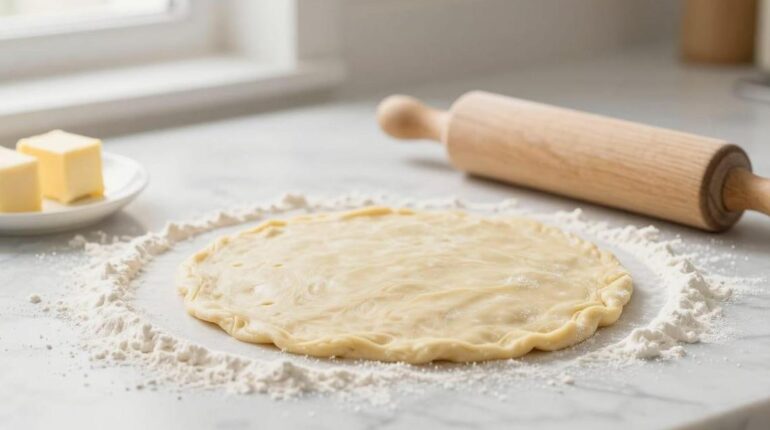
Resting in the refrigerator for 20 minutes is a non-negotiable phase. This cooling sets the butter in the dough, facilitating subsequent rolling and preventing any softening during lining. The low temperature also allows working the dough without tearing, ensuring a crispy texture after baking.
This traditional method, respected by professionals, distinguishes artisanal pastry from industrial preparation. The sandy texture obtained by mechanical beating creates those tiny air pockets which, when baking, generate the characteristic flakiness of an authentic apple pie.
The Fragrant Limousin AOP Apple Filling
Once the dough is resting, preparing the filling requires particular attention to the exceptional product: Limousin AOP apples. Cut into quarters, peeled, and cored, they are then thinly sliced to guarantee even cooking and compact stacking in the mold.
Coating the slices is the step that reveals the character of this apple pie. The brown sugar, poured directly onto the apple pieces, provides natural caramelization during baking. The spice blend – cinnamon, nutmeg, or ginger according to tradition – enhances the subtle acidity of the AOP fruit without masking it.
This combination of brown sugar and spices creates an aromatic synergy that distinguishes an authentic apple pie from a simple apple tart. The spices penetrate the fruit fibers during the resting period, developing warm notes that will intensify with heat.
During this preparation, the oven preheats to 180°C. This medium temperature allows for progressive cooking that caramelizes the sugars without burning the pastry. Setting the filling aside before assembly allows the flavors to meld, while preheating guarantees immediate searing upon entering the oven, an essential condition to avoid softening the base.
Assembly with Double Layer of Pastry
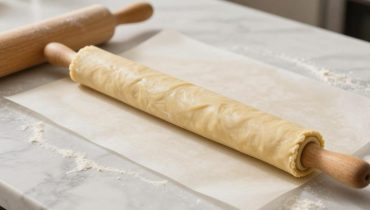
Taking the dough out of the refrigerator marks the beginning of the architectural assembly of the apple pie. Dividing it into two unequal pieces – ⅔ for the base, ⅓ for the lid – constitutes the structural signature of this authentic American preparation. Each portion is rolled out to exactly 0.5 mm thickness, guaranteeing crispy thinness without breaking during lining.
The larger disc lines the mold, intentionally overlapping the edges. This surplus is no accident: it allows for the folding that hermetically seals the filling. The apple slices are then stacked in successive layers, each punctuated with small cubes of cold butter that will melt into a golden glaze during baking.
This alternation of apples and butter in multiple strata creates a melting texture where each level concentrates its aromas. The pastry edges protruding from the mold are folded toward the center by pressing firmly, forming a first protective barrier against the fruit juice.
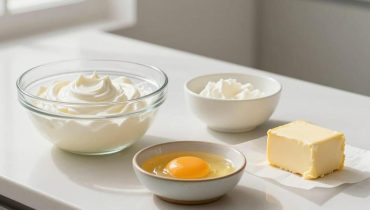
Moistening these flaps precedes placing the second disc. This humidification allows for a perfect seal between the two layers of pastry. Crimping with a fork around the perimeter finalizes the seal, while brushing with beaten egg promises a shiny golden crust. The four slightly widened slits at the top release steam, preventing any lifting or bursting during baking.
Two-Stage Baking and Serving
The four slits made at the top of the apple pie are not decorative: they orchestrate the controlled release of steam during the 50 minutes of sequenced baking. The oven at 180°C first receives the preparation for an initial phase of 25 minutes, during which the egg-washed pastry gradually colors into a golden surface.
This initial temperature rise sets the structure and initiates superficial caramelization. But without protection, the crust would burn long before the Limousin apples are tender at the core. The strategic intervention occurs halfway through: a sheet of parchment paper is placed over the pie, creating a thermal shield that preserves the amber hue while allowing heat to penetrate the filling.
The additional 25 minutes under this protection allow the apple layers to finish cooking without drying out the pastry. The melted butter cubes permeate each fruit layer, while the brown sugar transforms into a spicy syrup that coats the slices. This progressive two-stage baking guarantees a homogeneous texture: crispy crust outside, soft filling inside.
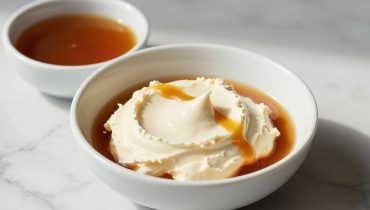
Cooling to lukewarm is necessary before serving. A piping hot apple pie remains too liquid, as its juice has not yet set into a smooth jelly. A few minutes are enough for the internal structure to stabilize. The recommended whipped cream accompaniment provides the fresh, milky contrast that balances the sweet warmth of this American pastry Frenchified by Limousin apples.