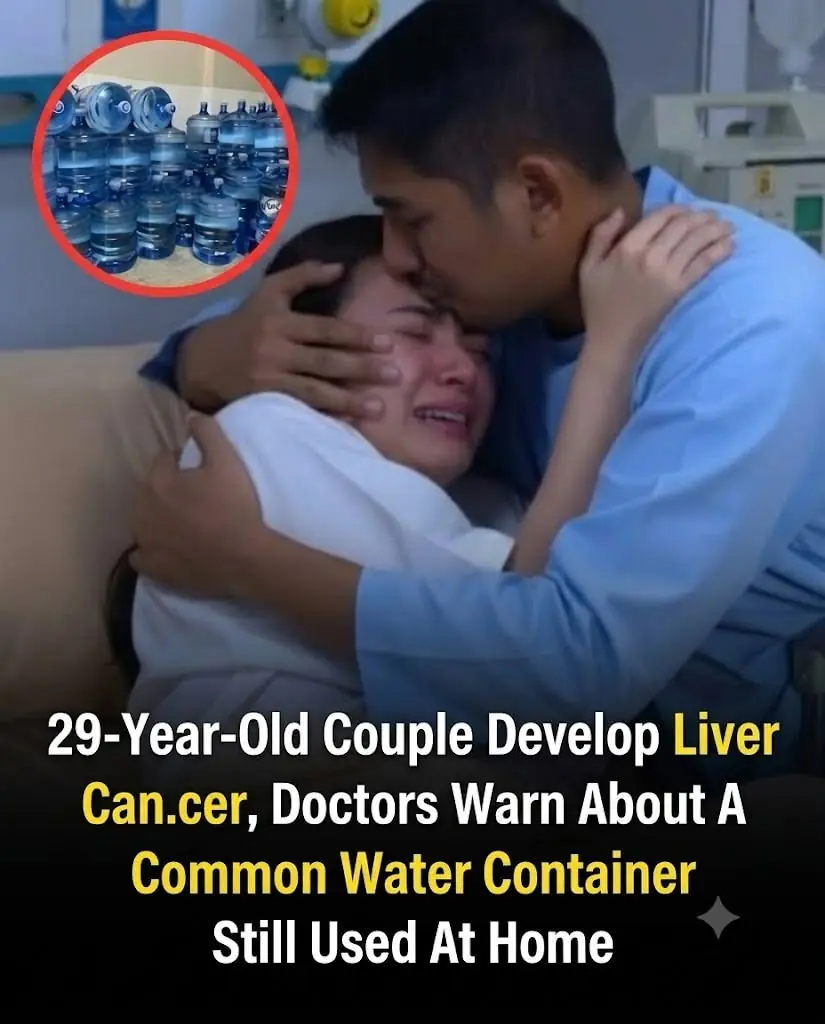
A story circulating widely on social media claims that a 29-year-old couple was diagnosed with liver cancer after using a common household water container. Medical experts are pushing back, warning that the disease almost never stems from a single cause — and that the real risk factors are far less dramatic than the headlines suggest.
In brief
- —No scientific evidence links plastic bottles directly to liver cancer
- —Hepatitis B and C remain the leading causes worldwide
- —Experts recommend food-grade, regularly cleaned reusable containers
A viral claim that doctors say does not hold up to scrutiny
Stories claiming that an ordinary household water container caused a young couple to develop liver cancer have spread rapidly on social media. Medical experts are clear: the premise is misleading. Liver cancer is a complex disease that rarely has a single cause, and no current scientific evidence supports the idea that simply drinking from a plastic bottle triggers it.

Doctors stress that the disease typically develops through a combination of long-term factors built up over years. These include chronic hepatitis B or C infection, excessive alcohol consumption, fatty liver disease, exposure to certain toxins, and genetic susceptibility. A single household object does not fit that pattern.
Liver cancer: a disease with multiple, long-term causes
Liver cancer develops over years through a combination of factors, most commonly chronic viral hepatitis, alcohol use, and metabolic conditions. It is one of the most common cancers globally, with hepatitis B and C infections accounting for the majority of cases worldwide. Viral misinformation attributing it to a single everyday object obscures these documented drivers and can delay people from addressing genuine risks.
What damaged or low-quality plastic containers can — and cannot — do
Health authorities do raise concerns about a specific category of plastic containers: those that are damaged, poor-quality, or repeatedly exposed to heat. Some plastics not intended for repeated reuse may gradually release small amounts of chemicals when subjected to high temperatures or prolonged sunlight.
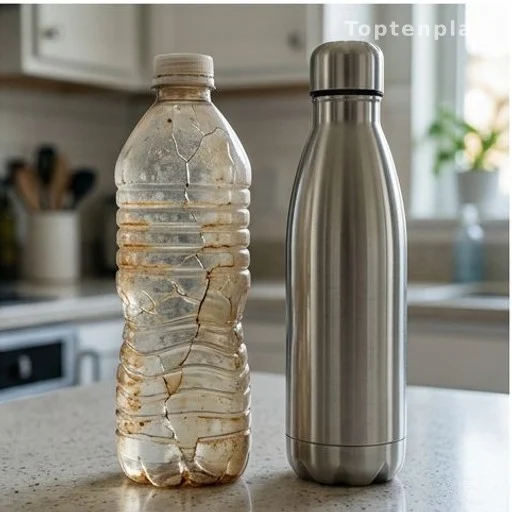
However, experts are careful to distinguish between a potential chemical concern and a proven cancer cause. The advice is practical rather than alarmist: use food-grade containers, and replace any bottle that has become cracked, discolored, or worn.
Cleanliness is a separate but equally important issue. Refillable bottles and water dispensers that are not washed regularly can accumulate bacteria, mold, and biofilms. While these microorganisms are not known to cause liver cancer, they may contribute to gastrointestinal illness or infections, particularly in people with weakened immune systems. Doctors advise washing reusable bottles daily with warm soapy water and allowing them to dry completely before refilling.
Hepatitis, alcohol, and aflatoxins: the established drivers of liver cancer
Worldwide, chronic hepatitis B and hepatitis C infections remain the leading causes of liver cancer. These viruses can damage liver cells over decades, progressively increasing the risk of malignant transformation.
Suggested Posts

Americans say they need $1.2M to retire — but most won’t get close
Americans believe they need $1.2 million saved to retire comfortably — but the vast majority don't expect to come anywhere near that figure. A…