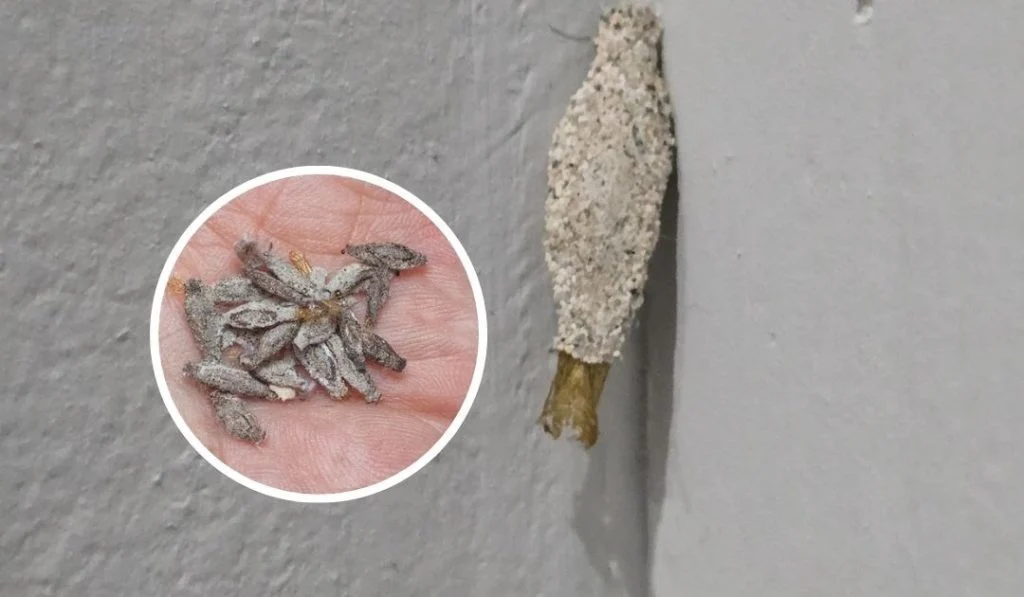
A large, motionless moth clinging to your wall at night — eyes staring, wings spread wide — is enough to make most people uneasy. Yet species like the Polyphemus and Luna moth are entirely harmless. The real explanation for that creeping discomfort lies in human biology and the way our brains are wired to read threats in the dark.
En bref
- —Wingspans can reach up to 6 inches on some species
- —Completely harmless despite their unsettling appearance
- —Human survival instincts explain the fear response
Wingspans up to 6 inches: why sheer size triggers alarm
Species such as the Polyphemus and Luna moth can reach wingspans of 4 to 6 inches — large enough to be mistaken, at a glance, for something far more threatening than an insect. When one of these creatures spreads itself flat against a wall or window at night, the visual impact is immediate and hard to ignore.
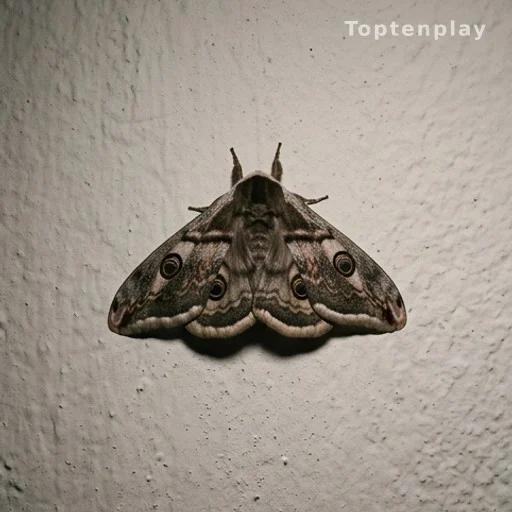
What amplifies the effect is stillness. Moths in this resting posture can remain completely motionless for hours, and their large, eye-like markings — present on several species — create the impression of something watching. Our brains, shaped by thousands of years of survival pressure, are specifically wired to detect still, staring shapes in low light.
This is not irrationality. It is an ancient threat-detection system doing exactly what it was designed to do. A large, unmoving shape with apparent eyes, spotted in peripheral vision at night, would historically have warranted caution — regardless of whether it turned out to be a predator or a moth.
Silent flight: the ghostly flutter that bypasses rational thought
Unlike the buzz of a fly or the chirp of a cricket, large moths move through the air in near-total silence. There is no auditory warning before they appear — just a sudden, soft movement at the edge of your vision, especially in a darkened room.
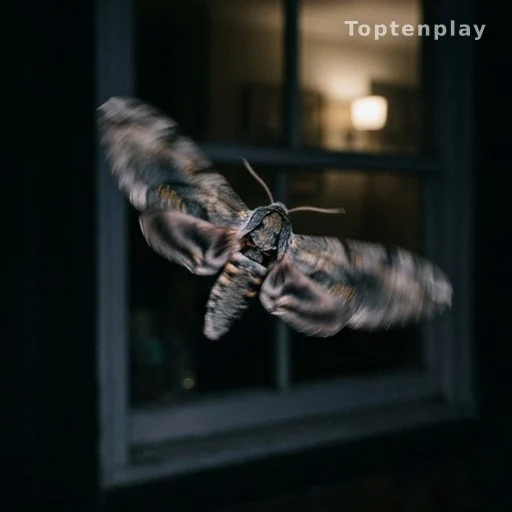
That combination — unexpected motion with no sound — is precisely the kind of stimulus that triggers a startle response before conscious thought can intervene. The brain registers the movement as potentially significant and reacts accordingly, even in people who are fully aware that moths pose no danger.
The ghostly quality of that flutter is not imagined. It is a real perceptual event: a large object moving silently in low light, appearing without warning. The emotional reaction it produces is automatic, not a sign of irrational fear.
What is the Kamitetep?
The Kamitetep is a large moth species known for its habit of clinging motionless to walls, windows, and surfaces at night. Like the Polyphemus and Luna moths, it belongs to a group of large nocturnal insects whose size and markings make them visually striking — and, to many people, deeply unsettling on first encounter.
Suggested Posts

Social Security may pay only 78% of benefits by 2032 — senators want a vote
A bipartisan group of six U.S. senators introduced legislation Wednesday to compel Congress to act on Social Security reform before the program's trust fund…