One kitchen staple has accumulated more peer-reviewed evidence than almost any other single food: extra-virgin olive oil (EVOO). From cardiovascular protection to cognitive health, decades of research consistently point to its broad benefits — but only when consumers choose the right product and understand what sets it apart from cheaper alternatives.
En bref
- —EVOO cuts heart attack and stroke risk by 30%
- —Its polyphenols fight inflammation like ibuprofen
- —Most refined olive oils lose their key health compounds
Why «extra-virgin» is not just a marketing label
Not all olive oils are equal — and the gap between them is not marginal. Extra-virgin olive oil is unrefined and cold-pressed within 24 hours of harvest, a process that preserves the potent plant compounds responsible for most of its documented health effects.

By contrast, refined oils sold as «light» or «pure» olive oil undergo chemical processing that strips away key antioxidants and polyphenols. The result is a product that shares little beyond name and caloric content with its extra-virgin counterpart.
Consumers looking to buy genuine EVOO should check for three markers on the label: a dark glass bottle to protect against light degradation, a harvest date rather than a vague best-before year, and a recognised certification such as COOC (California Olive Oil Council) or a PDO (Protected Designation of Origin) stamp.
The PREDIMED study: a 30% drop in heart attack and stroke risk
The cardiovascular case for EVOO rests on some of the most robust nutrition data available. The landmark PREDIMED study — a large randomised trial on the Mediterranean diet — found that participants who followed the diet supplemented with extra-virgin olive oil had a 30% lower risk of heart attack or stroke compared to a control group.
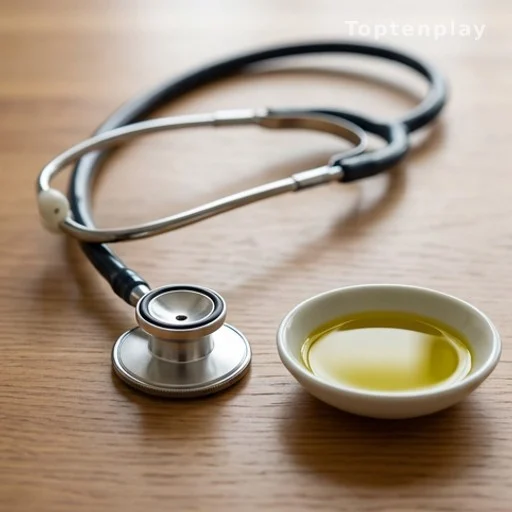
The mechanism is well understood. EVOO is rich in oleic acid, a monounsaturated fat that lowers LDL (so-called «bad») cholesterol while raising HDL («good») cholesterol. This dual action directly addresses two of the primary drivers of cardiovascular disease.
Beyond its fat profile, EVOO contains polyphenols — notably oleocanthal — that reduce systemic inflammation through a pathway similar to that of ibuprofen. Chronic low-grade inflammation is now widely recognised as a key contributor to heart disease, making this anti-inflammatory property clinically significant for long-term heart health.
The Mediterranean diet behind the evidence
Most of the large-scale studies on extra-virgin olive oil — including PREDIMED — were conducted within the framework of the Mediterranean diet, a dietary pattern characterised by high consumption of vegetables, legumes, whole grains, fish, and EVOO as the primary fat source. This dietary model has been associated with lower rates of heart disease, cognitive decline, and certain cancers across populations in Southern Europe and beyond. EVOO is considered its most pharmacologically active single component.
Suggested Posts
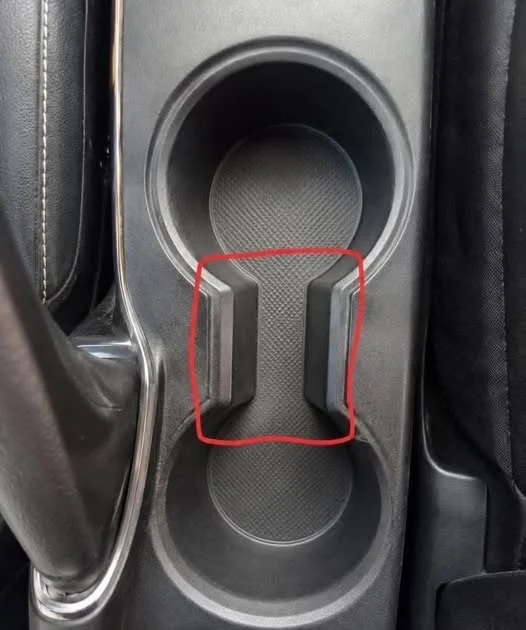
The gap in your car’s cup holders actually has 3 functions
Most drivers have spent years watching crumbs disappear into the narrow gap beside their car's cup holders without ever questioning its purpose. That slot,…