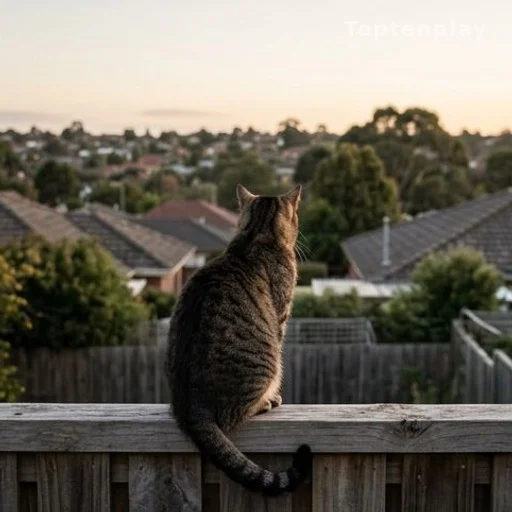
For cats that are not spayed or neutered, hormonal drive compounds the problem significantly. During mating season, males in particular may travel long distances and stay away for days at a time. That roaming also raises their exposure to fights with other cats, injuries, and the risk of becoming permanently lost.
A collar with an ID tag and a microchip are the baseline protections against both scenarios. For cats with a strong wandering habit, a GPS tracker offers real-time location data if they stray beyond their usual range.
A behavior rooted in feline biology
Domestic cats retain many of the territorial and survival instincts of their wild ancestors. Unlike dogs, they are not pack animals and do not depend on a social group for security, which makes independent roaming a natural — rather than exceptional — behavior. That biological independence is what makes disappearances both common and, in many cases, preventable with the right environmental adjustments.
Territorial threats and disorientation send cats further from home
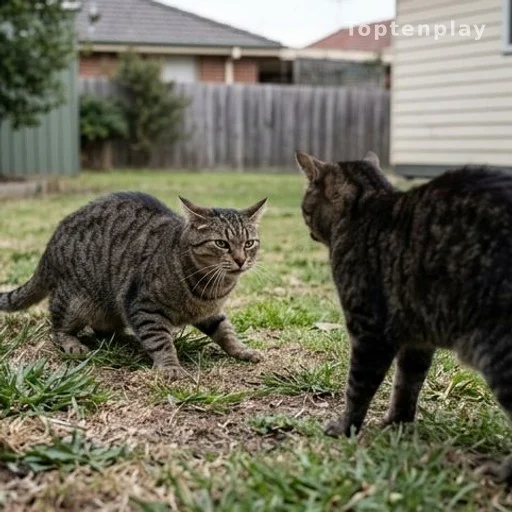
A cat that feels outmatched in its own territory will often choose flight over confrontation. The arrival of a dominant or aggressive cat in the neighborhood — or pressure from dogs and other animals — can be enough to push a resident cat to abandon familiar ground entirely. This dynamic is particularly common in areas with dense feral cat populations.
Even cats with strong navigational instincts can become confused by sudden disruptions: a loud noise, a moving vehicle, or a blocked route can break their mental map of the area. Once disoriented, they may be unable to retrace their steps or may become trapped in a garage, shed, or enclosed space nearby.
Providing a secure indoor retreat and safe outdoor escape routes — covered porches, cat houses, or a purpose-built catio — reduces both the pressure to flee and the risk of getting lost. If a cat does go missing, checking hidden spots under decks and behind sheds at dawn and dusk, when cats are most active, is recommended.
Illness, injury, and household stress: the less visible causes of disappearance
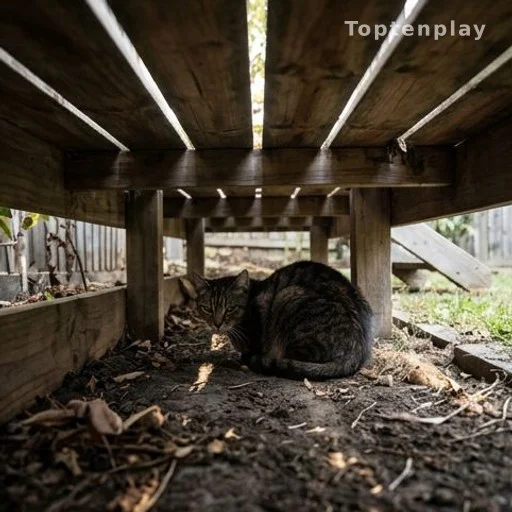
When a cat is hurt or falls ill outdoors, instinct drives it to find a quiet, concealed hiding place. That same instinct that protects a vulnerable animal in the wild can make a sick or injured cat nearly impossible to locate. It may be physically unable to return home, even if it is only a short distance away.
Stress inside the home is an equally underestimated factor. Cats are creatures of habit, and significant disruptions — moving house, renovations, the arrival of a new pet or a baby, even rearranged furniture or loud guests — can generate enough anxiety to trigger departure. The cat is not abandoning its owner; it is seeking a calmer environment.