Regular veterinary check-ups help catch underlying health issues before they become acute. For stress-related departures, maintaining consistent feeding and play schedules, providing a dedicated quiet retreat within the home, and using pheromone diffusers such as Feliway are among the documented calming strategies.
A neighbor’s food bowl can become a permanent relocation
Cats are opportunistic by nature. If a neighbor consistently offers food, warmth, or attention, a cat may begin making regular visits — and, over time, decide that the other household better meets its needs. What starts as an occasional detour can become a full relocation.
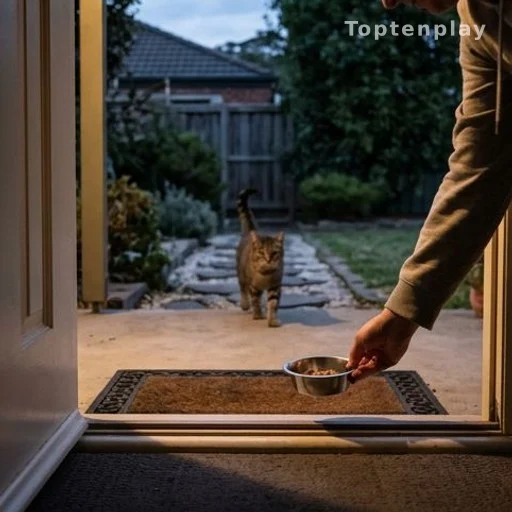
The countermeasure is twofold: enrich the cat’s home environment with toys, regular play sessions, and reliable mealtimes, and speak directly with neighbors to ask them not to feed the animal. Keeping the cat indoors if it begins showing a preference for other homes is also an option.
For owners whose cat is already missing, posting on local social media groups, notifying nearby veterinary offices and animal shelters, and leaving familiar scent items — used bedding, a worn piece of clothing, or a small amount of used litter — outside the home can help guide a disoriented cat back. Many cats return after days, weeks, or even longer.
The next practical milestone for any cat owner is a veterinary appointment to discuss spaying or neutering if not yet done, and microchipping if the animal is not already chipped. For those whose cat is currently missing, the coming days of dawn-and-dusk searches and shelter notifications remain the most time-sensitive actions. Open questions include how quickly a stressed or disoriented cat can re-establish its home range — a factor that varies considerably by individual animal and environment.