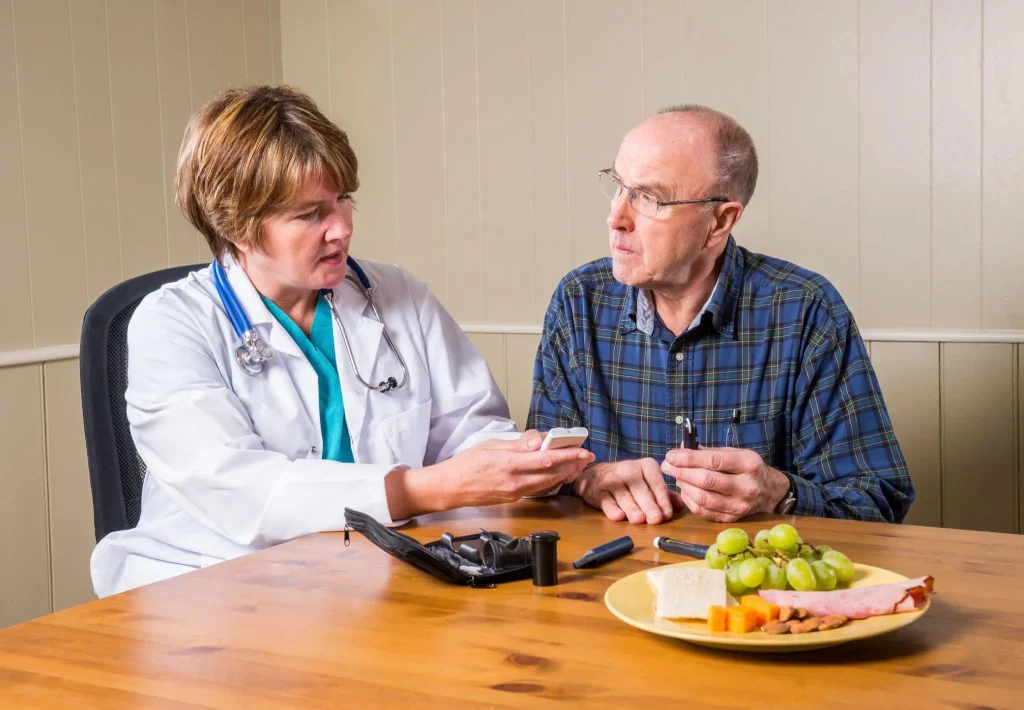
Diabetes can develop silently for months or even years before a diagnosis is made, yet the body often sends detectable warning signals well before complications arise. Seven early symptoms — from frequent urination to unexplained weight loss — have been identified as potential indicators of elevated blood sugar or prediabetes. Recognizing them early and seeking a blood test can significantly reduce the risk of long-term damage to the heart, kidneys, eyes, and nerves.
In brief
- —Diabetes can go undetected for months or years
- —Seven physical signs may point to high blood sugar
- —A blood glucose or HbA1c test can confirm the diagnosis
Frequent urination and constant thirst: the two most common first signals
One of the earliest and most recognizable signs of diabetes is needing to urinate more often than usual, particularly during the night. When blood sugar rises, the kidneys work harder to filter excess glucose from the bloodstream, drawing more water into the urine and increasing both its frequency and volume.

This fluid loss almost inevitably triggers persistent thirst. Even after drinking large amounts of water, the sensation returns quickly because the body continues losing fluids through increased urination. The combination of these two symptoms together is considered a classic early warning pattern of elevated blood sugar.
A disease that often goes undetected
Diabetes is frequently described as a "silent disease" because it can progress gradually without causing obvious symptoms in its early stages. Many people live with elevated blood sugar for months or even years before receiving a formal diagnosis. This delayed detection increases the risk of complications affecting major organs, making awareness of early warning signs a key public health issue.
Unexplained weight loss and slow-healing wounds: when the body breaks down its own reserves
Losing weight without any change in diet or exercise routine can be an early sign of diabetes. When insulin is not working effectively, the body is unable to use glucose as a fuel source and instead begins breaking down fat and muscle tissue to meet its energy needs, resulting in noticeable and unexplained weight loss.

High blood sugar also damages blood vessels and reduces circulation, which limits the delivery of oxygen and nutrients to injured tissue. As a result, cuts, scrapes, and bruises take significantly longer to heal than normal. This delayed healing also raises the risk of infections developing at wound sites.
Dark skin patches and blurred vision: two less obvious but documented signs
Dark, velvety patches of skin appearing around the neck, armpits, or groin area may indicate insulin resistance. This condition, known medically as acanthosis nigricans, is commonly associated with prediabetes and type 2 diabetes. These skin changes do not confirm a diagnosis on their own but should be evaluated by a healthcare professional.

High blood sugar can also temporarily alter the shape of the eye’s lens, causing vision to appear blurry. Some people notice their eyesight fluctuates throughout the day, particularly when blood sugar levels are poorly controlled. In many cases, vision improves once blood glucose is brought back under control, suggesting the change is reversible at this stage.
Persistent hunger and the case for early blood testing
Despite eating regular meals, people with undiagnosed diabetes may feel unusually and persistently hungry. The mechanism is straightforward: because glucose cannot efficiently enter the body’s cells, the brain continues receiving signals that energy is lacking and keeps triggering the sensation of hunger, regardless of recent food intake.

Anyone experiencing one or more of these symptoms — especially the combination of frequent urination, excessive thirst, unexplained weight loss, or blurred vision — is advised to consult a healthcare professional. A simple blood glucose test or an HbA1c test can determine whether diabetes or prediabetes is present.
Early detection matters because it allows treatment to begin before complications develop. Long-term uncontrolled high blood sugar is associated with damage to the heart, kidneys, eyes, and nerves — all of which are significantly harder to manage once they have progressed.
For those who recognize several of these symptoms, the next step is a medical consultation and a blood glucose or HbA1c test — both straightforward to obtain. The broader question that remains open in ongoing diabetes research is how to improve early screening rates among people who have symptoms but have not yet sought medical advice, a gap that public health authorities continue to address through awareness campaigns.