A heart attack does not always strike without warning. According to the Mayo Clinic, the Cleveland Clinic, and the American Heart Association, the body frequently sends signals hours, days, or even weeks before a cardiac event — signals that are too often dismissed as minor or unrelated to the heart.
In brief
- —Warning signs can appear days or weeks before a heart attack
- —Fatigue and breathlessness are among the most overlooked symptoms
- —Women, older adults and diabetics may not feel classic chest pain
Chest pain, breathlessness and fatigue: the three most common early signals
The most recognized warning sign remains chest pain or pressure — described as tightness, squeezing, burning, or a heavy sensation. Crucially, the discomfort does not always persist: it can come and go, which leads many people to dismiss it.

Shortness of breath is another key signal, and one that can appear even before any chest discomfort begins. Feeling breathless while walking, climbing stairs, or simply resting may indicate that the heart is no longer pumping efficiently.
Extreme, unexplained fatigue rounds out the trio. The American Heart Association notes this symptom is among the most overlooked — particularly in women. When ordinary daily tasks suddenly feel draining for no clear reason, the heart may be under significant stress.
Why these symptoms go unrecognized
Heart attacks are widely imagined as sudden, dramatic events. In reality, the Mayo Clinic and the American Heart Association document that warning signs frequently build over hours, days, or even weeks. Because many of these symptoms — fatigue, mild breathlessness, a vague sense of unease — overlap with common, non-cardiac complaints, they are routinely attributed to stress, aging, or minor illness until it is too late.
Pain that spreads beyond the chest — and the symptoms mistaken for something else
Heart-related pain does not always stay in the chest. Discomfort can radiate to the left or right arm, jaw, neck, upper back, or shoulders. Because this pattern is less well known, many people attribute it to muscle soreness or poor posture and delay seeking help.

Cold sweats, nausea, lightheadedness, and sudden weakness are also documented warning signs. These symptoms may point to reduced blood flow to the heart and, according to the sources cited, are more common in women than is widely understood.
Irregular heartbeat or palpitations — a racing, pounding, fluttering, or skipped beat — can also precede a cardiac event. While palpitations are not always dangerous, any sudden or unexplained change in heart rhythm warrants prompt attention.
A vague sense that "something isn’t right" — the symptom hardest to name
Many heart attack survivors have described an unusual feeling of anxiety, unease, or general unwellness in the period before the event. This seventh warning sign is the hardest to quantify, yet it appears consistently in patient accounts documented by the Cleveland Clinic and the American Heart Association.

Medical professionals highlight this signal precisely because it resists easy categorization. It is not chest pain, not breathlessness — it is a persistent sense that the body is not functioning normally. Recognizing it as a potential cardiac warning, rather than stress or fatigue, can make a critical difference.
Who is most at risk of missing these signs — and when to call for emergency help
The Mayo Clinic, Cleveland Clinic, and American Heart Association all emphasize that symptoms can present very differently depending on the individual. Women, older adults, and people with diabetes are particularly likely to experience atypical presentations — meaning severe chest pain may be absent entirely.
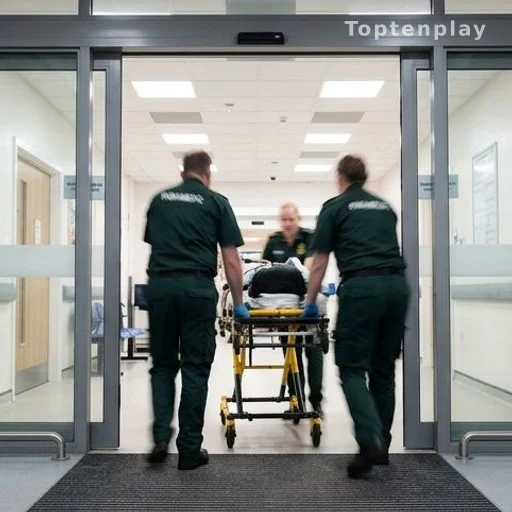
The threshold for action is clear: if any of these symptoms last more than a few minutes, or if they disappear and then return, emergency medical help should be sought immediately. Waiting to see whether the discomfort passes on its own is a documented risk.
Early intervention is directly linked to outcomes. Prompt treatment limits damage to the heart muscle and significantly improves survival rates — a point underscored by all three health authorities cited.
The American Heart Association has not published a revised set of public guidelines since these warnings were documented, but awareness campaigns targeting atypical presentations — particularly in women and diabetic patients — remain an active public health priority. The open question for researchers and clinicians is how to improve recognition of non-chest-pain symptoms in emergency triage settings, where atypical cases are still more likely to be assessed as lower urgency.