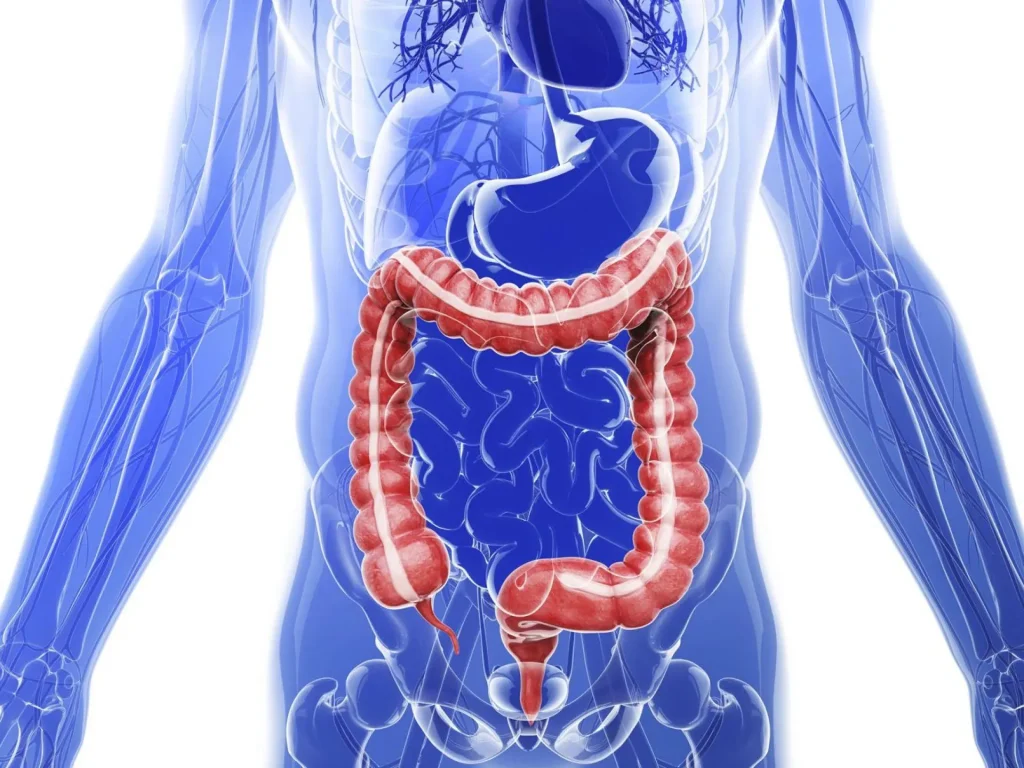
Colon polyps often develop silently, with few or no symptoms in their early stages — yet some can gradually turn into colorectal cancer if left undetected. Paying close attention to specific changes during bowel movements can be a critical first step toward early diagnosis. Four warning signs in particular warrant medical evaluation.
In brief
- —Polyps can become cancerous if not detected early
- —A 29-year-old found hundreds of polyps after years of ignored symptoms
- —Colonoscopy can detect and remove polyps in one procedure
A 29-year-old’s case: years of symptoms, hundreds of polyps
One documented case illustrates how long warning signs can go unaddressed. A 29-year-old man had experienced digestive discomfort for years without ever undergoing a colon examination. It was only when his symptoms worsened — including frequent loose stools — that doctors recommended a colonoscopy after learning of his strong family history of colorectal cancer.

The examination revealed hundreds of colon polyps, some of which had already developed into cancerous changes. His case highlights how persistent digestive symptoms, even in younger adults, should not be dismissed without proper medical evaluation.
Colorectal cancer: a largely preventable disease
Colorectal cancer develops from abnormal growths called polyps on the inner lining of the large intestine. Because most polyps grow slowly and remain asymptomatic for years, routine screening is considered the most reliable way to catch them before cancerous changes occur. Colonoscopy is currently the standard procedure for both detection and removal.
Why polyps form: age, diet, genetics and gut bacteria
Age remains a primary risk factor for colon polyps, though younger adults are increasingly being diagnosed. A diet high in processed meat and animal fat but low in fiber is associated with elevated risk, as are chronic inflammatory bowel diseases such as ulcerative colitis and Crohn’s disease.

Genetics also play a significant role. Inherited conditions like familial adenomatous polyposis (FAP) can dramatically increase susceptibility. Researchers also suggest that an imbalance in gut bacteria may contribute to chronic inflammation and abnormal tissue growth in the colon lining.
The four warning signs to watch for during bowel movements
Rectal bleeding is one of the most common signals. Bright red blood may appear on toilet paper or in the bowl; some bleeding is only detectable through stool testing. Although hemorrhoids are a frequent cause, persistent or unexplained rectal bleeding should always be medically assessed.

Tissue protruding from the anus during a bowel movement — often appearing as soft, reddish tissue that may retract afterward — can indicate a polyp near the rectum. Only a medical examination can determine the exact cause, and this symptom should never be ignored.
Persistent changes in bowel habits — including long-lasting diarrhea, constipation, frequent urgency, or alternating episodes of both — may suggest that larger polyps are interfering with normal bowel function. If such changes persist for several weeks without a clear explanation, medical evaluation is recommended.
Abdominal pain or cramping can occur when larger polyps partially block the intestine or become irritated during bowel contractions. Pain that continues or worsens over time warrants prompt attention from a healthcare professional.
Colonoscopy and lifestyle: the two pillars of prevention
Colorectal cancer is described as one of the most preventable cancers because precancerous polyps can often be removed before they become dangerous. Colonoscopy remains the most effective screening method available, allowing physicians to both detect and remove suspicious polyps during the same procedure.
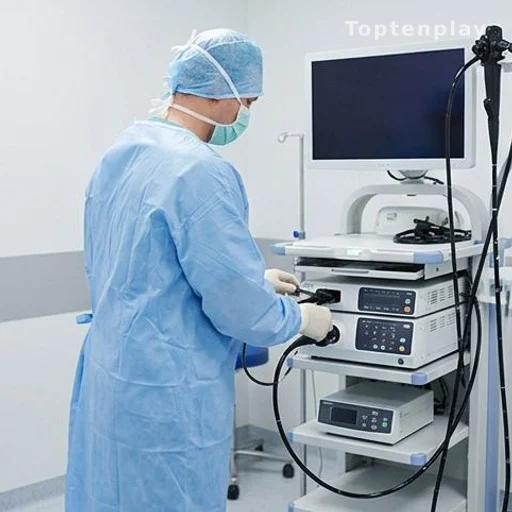
Individuals with a family history of colorectal cancer or inherited polyposis syndromes may need to begin screening earlier and repeat it more frequently, based on their physician’s guidance.
Lifestyle modifications also carry documented preventive value. Eating plenty of fruits, vegetables, legumes, and whole grains supports healthy bowel function through dietary fiber. Staying physically active, maintaining a healthy body weight, limiting processed and red meat, avoiding smoking, and reducing excessive alcohol consumption are all cited as measures that may help lower colorectal cancer risk.
The broader question of when routine colorectal screening should begin — and whether guidelines should be updated to reflect rising diagnoses in younger adults — remains an active area of medical discussion. For individuals already experiencing persistent digestive symptoms, the next step is a consultation with a healthcare provider to determine whether a colonoscopy or stool-based testing is appropriate.