Colonoscopy and lifestyle: the two pillars of prevention
Colorectal cancer is described as one of the most preventable cancers because precancerous polyps can often be removed before they become dangerous. Colonoscopy remains the most effective screening method available, allowing physicians to both detect and remove suspicious polyps during the same procedure.
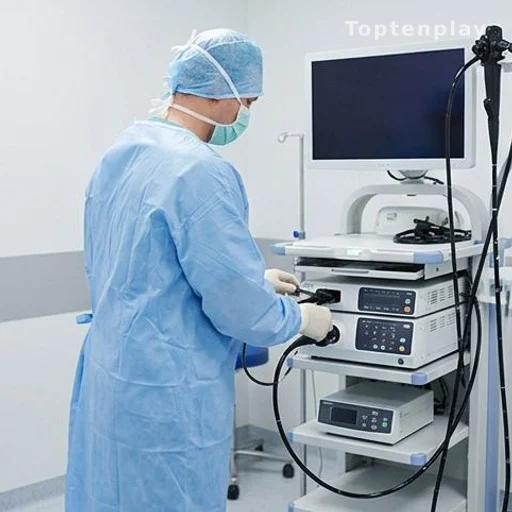
Individuals with a family history of colorectal cancer or inherited polyposis syndromes may need to begin screening earlier and repeat it more frequently, based on their physician’s guidance.
Lifestyle modifications also carry documented preventive value. Eating plenty of fruits, vegetables, legumes, and whole grains supports healthy bowel function through dietary fiber. Staying physically active, maintaining a healthy body weight, limiting processed and red meat, avoiding smoking, and reducing excessive alcohol consumption are all cited as measures that may help lower colorectal cancer risk.
The broader question of when routine colorectal screening should begin — and whether guidelines should be updated to reflect rising diagnoses in younger adults — remains an active area of medical discussion. For individuals already experiencing persistent digestive symptoms, the next step is a consultation with a healthcare provider to determine whether a colonoscopy or stool-based testing is appropriate.
Suggested Posts

Forgot Your Quarter at Aldi? Here’s How to Still Get a Cart
Arriving at Aldi without a quarter to unlock a shopping cart is a common frustration. Fortunately, the fix is usually just a few steps…