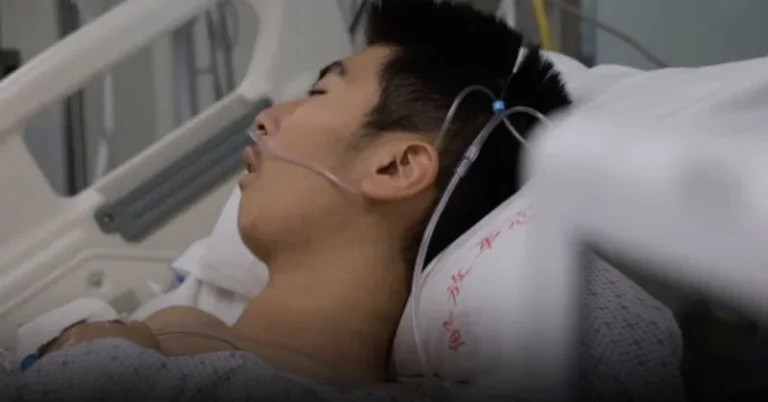
Silent yet deadly, brain aneurysms often strike without warning—but sometimes the body gives subtle signals before disaster occurs. Recognizing these signs, acting quickly, and raising awareness can mean the difference between life and death.
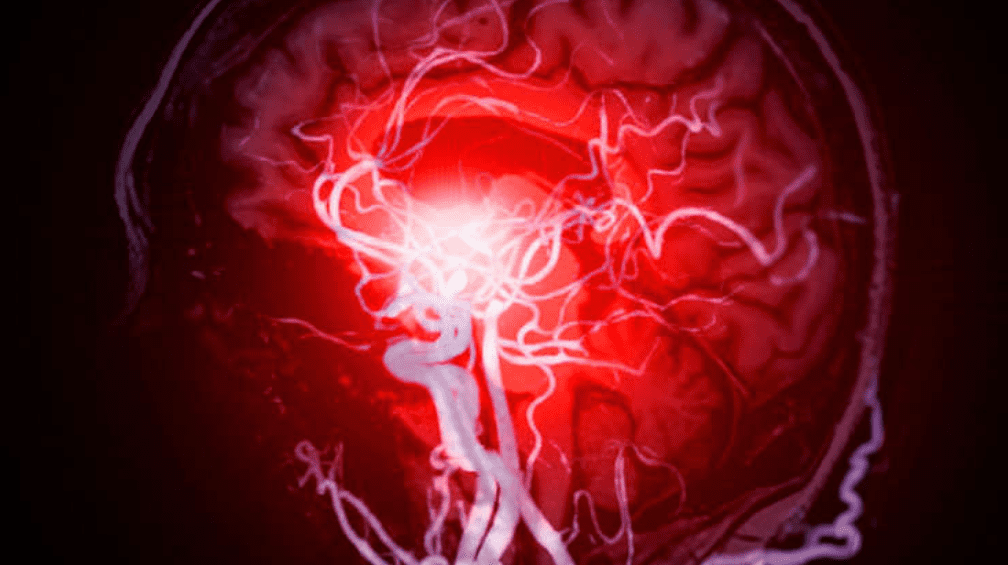
According to the Mayo Clinic, a brain aneurysm forms when a weak area in a blood vessel inside the brain balloons outward, creating a bulge that often resembles “a berry hanging on a stem.” **While many aneurysms remain harmless, the greatest danger comes when they leak or rupture, leading to bleeding in the brain.**
When this occurs, doctors refer to it as a hemorrhagic stroke. More specifically, most ruptures cause a subarachnoid hemorrhage—bleeding in the space between the brain and the membranes that protect it. Without urgent medical care, the outcome can be fatal.
Warning Signs and Symptoms
The Brain Aneurysm Foundation emphasizes that one of the most common early signs of rupture is a sudden, extreme headache, often described as *“the worst headache of my life.”*
Other symptoms that may appear include:
Sudden severe headache
Blurred or double vision
Drooping eyelid or dilated pupil
Pain behind or around the eye
Stiff neck and light sensitivity
Nausea, vomiting, or seizures
Weakness or numbness on one side of the body
Confusion or difficulty concentrating
Loss of consciousness or fainting
If several of these symptoms occur together—particularly a sudden, intense headache—emergency medical attention is critical. Experts advise against driving yourself; call an ambulance instead.
Sentinel Bleeds: A Missed Red Flag
Doctors warn about “sentinel bleeds,” where an aneurysm leaks small amounts of blood before a major rupture. The key sign is a sudden headache that lingers for days without relief. **Too often, this is mistaken for a migraine, but ignoring it can have deadly consequences.** Immediate medical evaluation is vital at this stage.
Who Is Most at Risk?
While anyone can develop a brain aneurysm, several risk factors increase likelihood: – Age and gender: More common in older adults and women. – Lifestyle: Heavy smoking, excessive alcohol, and drug abuse weaken blood vessels. – Health conditions: High blood pressure is a major contributor. – Trauma or infections: Head injuries or bloodstream infections may trigger aneurysm formation. – Genetics: Family history can predispose some individuals to aneurysms.
Treatment and the Importance of Awareness
When detected early, treatments such as surgical clipping or endovascular coiling can stabilize aneurysms and prevent rupture. **The challenge lies in recognizing symptoms early enough to intervene. Raising public awareness is crucial, as many warning signs mimic migraines or other benign conditions. Knowing the red flags—and acting without delay—saves lives.