📌 Winter Stew: how 6 basic ingredients and 1h15 of cooking create a family dish for less than €5 per portion
Posted 27 March 2026 by: Admin
A Dish Rooted In Family Tradition
When the cold sets in and the evenings grow shorter, the rustic winter stew stands out as the perfect embodiment of traditional family cooking. This modest dish, born from the necessity of feeding a table without breaking the bank, transforms everyday ingredients into a meal of unsuspected richness.
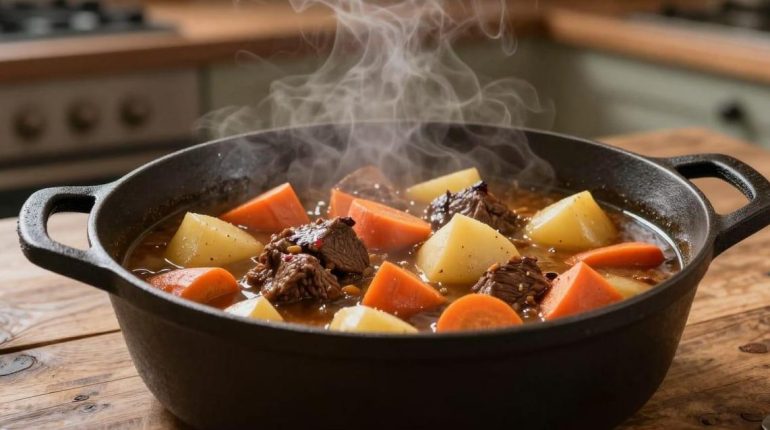
The magic happens in the simplicity: ground beef, a few seasonal vegetables, basic aromatics. Nothing exceptional on the surface, yet every spoonful delivers that comforting warmth that only slow-cooked dishes can offer. The meat mingles with the melting vegetables, the fragrant sauce envelops every piece, creating a gustatory harmony that spans generations.
This recipe embodies a culinary philosophy that is precious today: doing a lot with a little. It requires neither elaborate technique nor rare ingredients, just time and attention. Economical, easy to prepare, and deeply satisfying, it alone brings together simplicity, generosity, and authentic flavors.
More than just a meal, this stew carries the memory of family tables of yesteryear, where cooking was done according to the seasons and available means. It reminds us that comfort does not lie in complexity, but in the rightness of associations and the patience of cooking. A domestic culinary heritage that deserves to be perpetuated, especially when the thermometers drop.
Composition And Role Of Essential Ingredients
This culinary alchemy relies on a handful of carefully orchestrated elements. At the heart of the stew, 450 grams of ground beef constitute the protein base that gives body and character to the dish. This meat literally melts into the sauce, creating a smooth texture impossible to obtain otherwise.
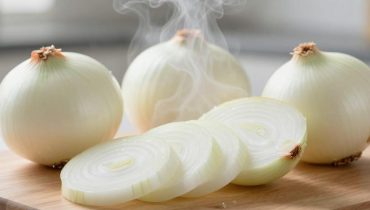
The quartet of vegetables forms the backbone of the stew. Four carrots bring their natural sweetness and that warm color characteristic of winter dishes. Four diced potatoes absorb the cooking juices, soaking up flavors while providing the necessary consistency. Onion and garlic, an essential aromatic duo, lay the gustatory foundations upon which everything else is built.
Liquids play a decisive role: 500 milliliters of beef broth provide depth, while 200 milliliters of tomato sauce add balancing acidity. Tomato paste intensifies these notes, while bay leaf and thyme sign the aromatic signature of the dish.
This list of common ingredients, available in any grocery store, makes it possible to feed four to six people without weighing on the budget. Each component fulfills a precise function in the final balance: sweetness of the carrots against the acidity of the tomato, melting potatoes against the firmness of the meat. It is this synergy that transforms ordinary products into extraordinary comfort.
Preparation Technique And Secrets To Success
The creation of this stew follows a linear progression of six steps over a total duration of one hour and fifteen minutes. The process begins by browning the ground beef in heated olive oil, a crucial step to develop the first notes of caramelization. Once the meat is colored, the onion and garlic join the pot until translucent, releasing their volatile aromatic compounds.
The carrots and potatoes are then integrated, coated in the juices already present. Then come the liquids – broth, sauce, and tomato paste – accompanied by the bay leaf and thyme. From this moment, patience becomes the secret ingredient: forty-five minutes to an hour of simmering over low heat allows the flavors to merge, the vegetables to soften, and the sauce to thicken naturally.
Three principles guarantee success. First, this slow cooking that transforms distinct components into a harmonious symphony. Second, the regular cutting of the vegetables ensures even cooking, preventing some pieces from falling apart while others remain firm. Finally, letting the liquid reduce until a slightly thick sauce is obtained concentrates the aromas and avoids a result that is too watery.
The equipment required remains minimal: a spacious pot, a wooden spatula, a knife, and a cutting board are more than enough. This technical simplicity makes the stew accessible even to novice cooks, provided they respect the cooking times and occasionally monitor the progress.
Adaptability And Nutritional Value
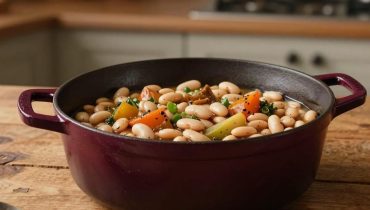
This recipe lends itself to multiple variations according to preferences and available stock. For a more traditional texture, replace the ground beef with meat cubes that will bring an accentuated rustic dimension. Vegetables can be enriched with peas, green beans, or celery to vary textures and flavor profiles. Lovers of bolder sensations will add smoked paprika or a hint of chili, while a tomato-free version, compensated by an additional volume of broth, will suit palates seeking more sweetness.
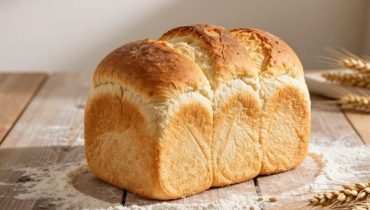
The stew is self-sufficient but pairs perfectly with fresh bread for generous dipping, rice, or couscous which deliciously absorb the thick sauce. Nutritionally, each portion provides between 400 and 500 kilocalories, with 25 to 30 grams of protein, 30 to 40 grams of carbohydrates, and 15 to 20 grams of lipids – a satisfying balance for a complete meal.
This dish combines many qualities: economical thanks to accessible ingredients, nourishing by its measured caloric density, and adaptable according to what the refrigerator holds at the end of the week. Beyond the numbers, it above all embodies that rare ability to gather around the table, creating those moments of simple conviviality where gustatory pleasure is doubled by authentic social comfort.