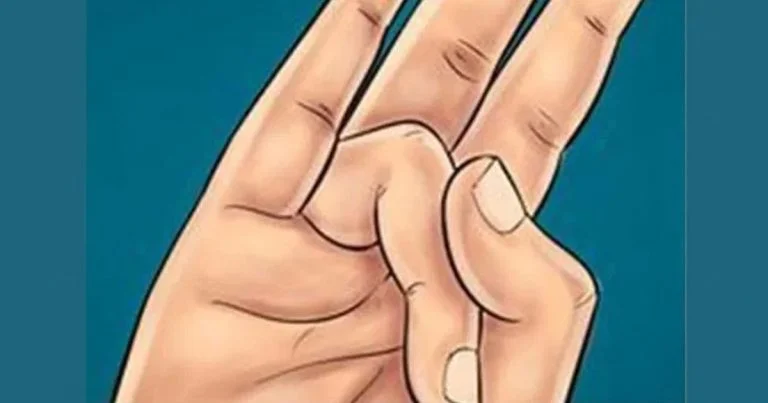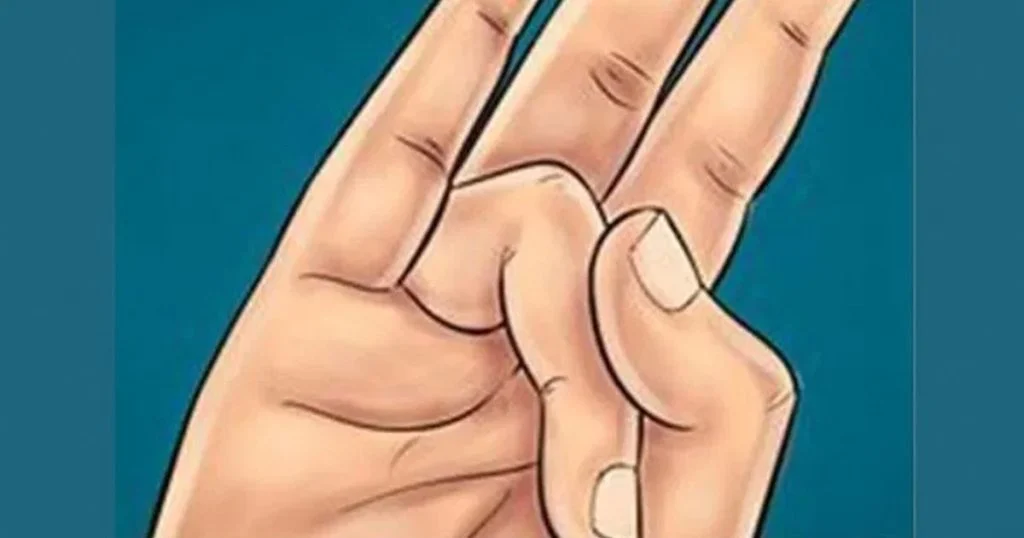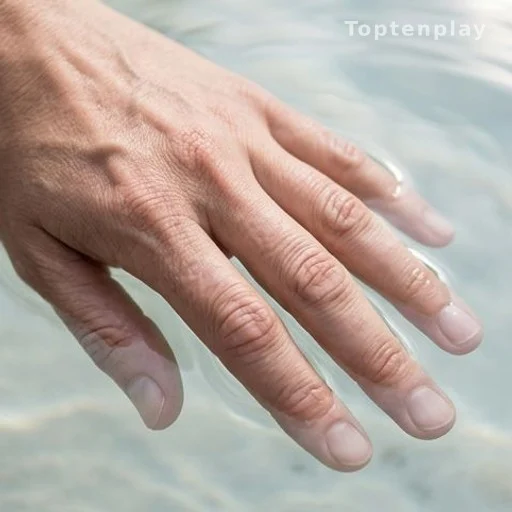
The wrinkling is not a passive physical process. It is an active, involuntary response orchestrated by the autonomic nervous system — the same system that regulates heart rate, digestion and breathing without any conscious effort.
Vasoconstriction: how blood vessels reshape your skin from within
When hands are submerged in water for a sustained period, the nervous system sends a signal to the small blood vessels beneath the skin to constrict — a process known as vasoconstriction.
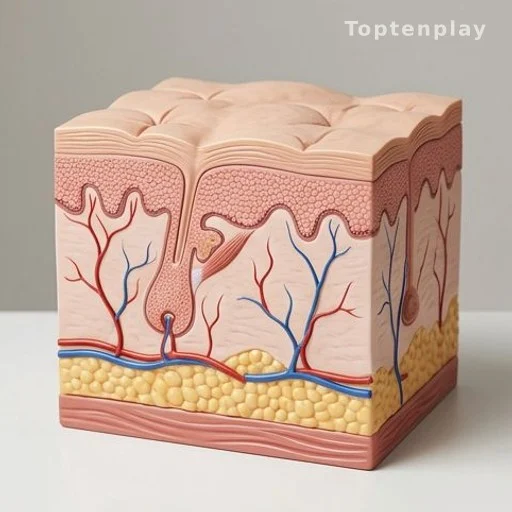
As these vessels shrink, they pull the overlying skin downward and inward, producing the characteristic ridged pattern. The wrinkles are, in effect, the visible surface result of vascular movement happening just below the skin.
Because the process depends on nerve signalling, it requires an intact and functioning autonomic nervous system. If that signal is disrupted — by injury, disease or nerve damage — the wrinkling response may be reduced or absent entirely.
The autonomic nervous system and the skin
The autonomic nervous system governs involuntary bodily functions, including the behaviour of blood vessels in the skin. Its role in the finger-wrinkling response was identified through experiments showing that fingers with severed nerves do not wrinkle when submerged in water — a finding that directly contradicted the osmosis theory and redirected scientific understanding of the phenomenon.
An evolutionary grip upgrade: the tread theory
Scientists believe this nervous system response is not a quirk but a deliberate evolutionary adaptation. The wrinkles formed on wet fingers are thought to function like the treads on a car tyre or the cleats on a hiking boot.
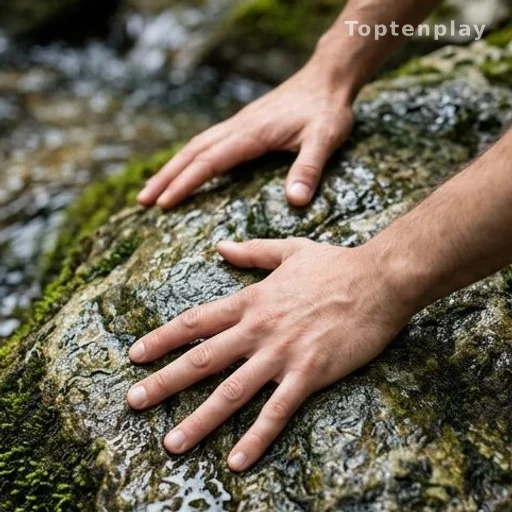
By creating channels across the fingertip surface, the ridges allow water to drain away more efficiently when gripping an object, improving friction and reducing slippage. The proposed advantage: better grip on wet rocks, tools or other slippery surfaces — a meaningful survival benefit for early humans.
This hypothesis positions the wrinkling response as a form of on-demand physical upgrade, activated specifically when the hands are in a wet environment where improved traction would be most useful.