

The immediate practical question for anyone persuaded by this evidence is which preparation method works best for their own digestion and schedule — soft-boiled, poached, or lightly scrambled, timed roughly two hours before sleep. Longer-term, the broader field of chrononutrition is expected to produce more targeted dietary guidelines for specific age groups, particularly around sleep, metabolic health, and cognitive protection. Whether mainstream clinical nutrition bodies will formally incorporate evening egg recommendations into their guidance remains an open question, one that ongoing sleep and nutrition trials are currently working to answer.
Suggested Posts
Fresh, fast, and easy to read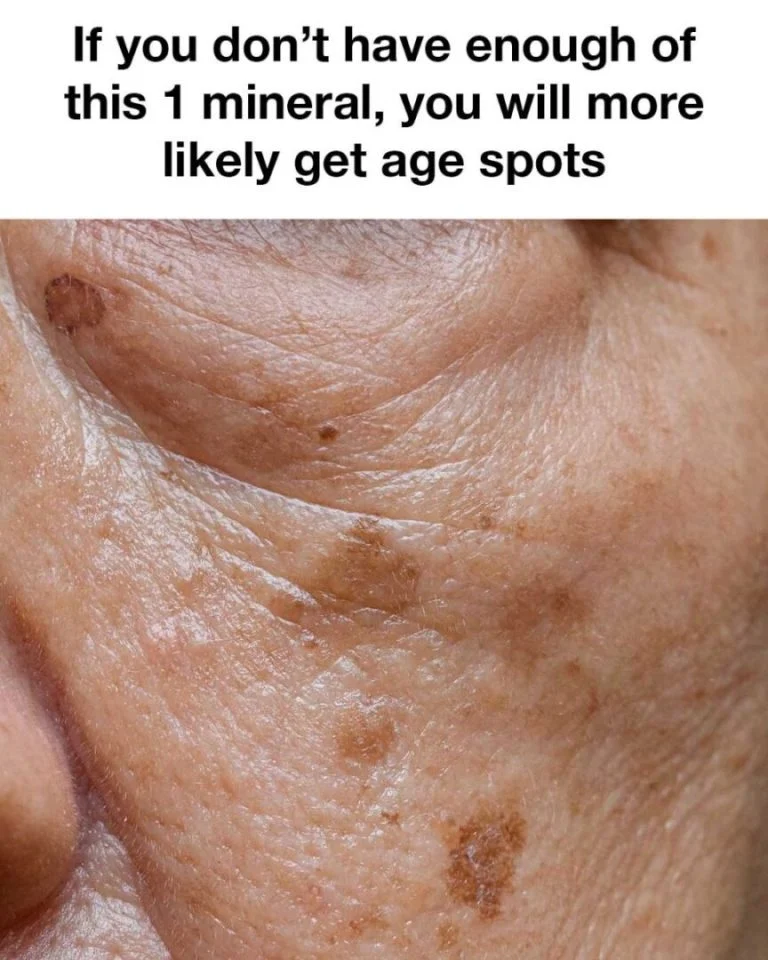
Today I Learned
The mineral deficiency that may trigger age spots
Age spots — the flat brown, gray, or black marks that appear on sun-exposed skin — may be more likely to develop when the…

Today I Learned
That green stuff inside your lobster? Experts say don’t eat it
Crack open a cooked lobster and you may find a bright green, paste-like substance tucked inside the body cavity. Known as tomalley, this substance…

Today I Learned
She ate eggs every meal for 5 months — her cholesterol result shocked her doctor
For decades, eggs were cast as a dietary villain, blamed for clogged arteries and rising cholesterol. But a case study that has gone viral…

Today I Learned
Why doctors say two eggs at breakfast can change your entire day
Eating two eggs in the morning can noticeably change how you feel, eat, and focus for the rest of the day — and doctors…