📌 Whipped Cottage Cheese: How This Guacamole Alternative Boosts Your Protein Intake
Posted 8 March 2026 by: Admin
The Unexpected Alliance: Avocado and Cottage Cheese
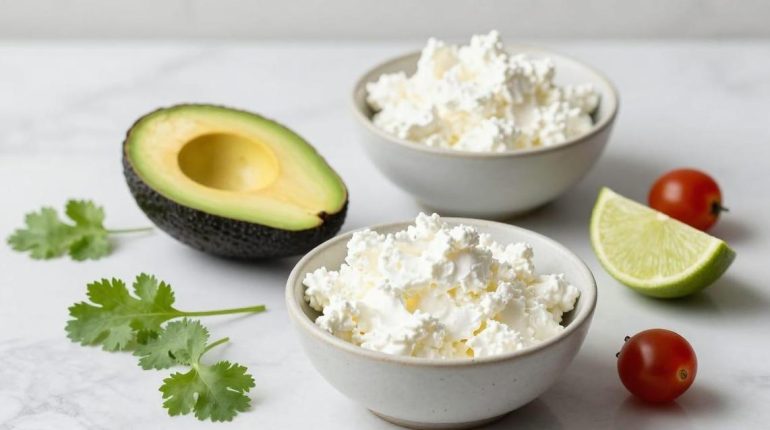
Blending cottage cheese with avocado to replace guacamole might seem counterintuitive. However, this combination transforms the healthy appetizer: the food processor makes the problematic grainy texture of cottage cheese disappear while creating a smooth cream, lighter and significantly higher in protein than the traditional version.
The numbers speak for themselves. Half a cup of this whipped dip contains 148 calories and 8 grams of protein, compared to about 120 calories and only 2 grams for a classic guacamole. The trick lies in the flavor neutrality of cottage cheese: properly blended, it adds body and nutrients without altering the aromatic profile of the avocado, lime, and fresh cilantro.
Preparation takes less than ten minutes. No complex techniques, just a turn in the food processor that metamorphoses the ingredients into an airy and creamy texture. Chopped tomatoes added as a finish provide a touch of visual freshness, while the acidity of the lime prevents the avocado from oxidizing while enhancing the flavors.
This recipe addresses a real issue: how to increase the protein intake of snacks without sacrificing pleasure or overloading the calorie counter. Cottage cheese, long shunned for its consistency, finds its redemption here through a simple mechanical operation that reveals its unsuspected potential.
Why Cottage Cheese Revolutionizes Your Dips
This flavor neutrality distinguishes cottage cheese from other creamy bases. Unlike Greek yogurt which imposes its acidity or sour cream which masks flavors, premium cottage cheese completely fades away after blending, letting the avocado, jalapeño, and cilantro express themselves fully. This discretion allows for building a custom aromatic profile without compromise.
The protein-to-calorie ratio makes all the difference for conscious snacking. Each serving provides 8 grams of protein for 148 calories, plus 4.5 grams of fiber thanks to the avocado. This nutritional density transforms a simple snack into a satiating break, capable of lasting several hours without causing a blood sugar spike.
Texture is often a problem with plain cottage cheese, but the food processor solves this equation. High-end brands like Good Culture or Nancy’s Probiotic Foods, already creamier to begin with, reach a whipped consistency comparable to a mousse after blending. The grain disappears completely, replaced by a light cream that adheres perfectly to raw vegetables or chips.
This versatility goes far beyond the appetizer. The same technique applies to other Mediterranean dips, spreads for wraps, or even as bases for cold sauces. Cottage cheese thus becomes a transformative ingredient that discreetly boosts the protein content of dozens of preparations without changing the taste or final texture.
The 2-Step Recipe and Its Variations
This technical simplicity makes the dip accessible even to busy cooks. The ripe avocado should yield slightly under finger pressure without sinking in, a sign that its flesh will blend perfectly. Fresh lime juice serves a dual mission: its acidity exalts the flavors while blocking the enzymatic oxidation that browns the avocado in minutes. This natural chemical protection extends the life of the dip well beyond that of a classic guacamole.
The jalapeño determines the spicy intensity according to a simple rule. The seeds and white membranes concentrate the capsaicin: keeping them creates a bold dip, removing them produces a mild version. To take it up a notch, serrano pepper advantageously replaces jalapeño. Fresh cilantro brings its characteristic herbal notes, but its omission does not compromise the overall balance for those who dislike its taste.
The food processor transforms these ingredients into a smooth puree in thirty seconds. The red onion, garlic, and jalapeño disappear into the creamy mass without requiring prior chopping. Only the fresh tomatoes are kept out of the blending to maintain their crunch and visual freshness as a final garnish.
The absence of a food processor does not invalidate the recipe. A powerful blender works, while a rustic fork approach produces a more textured version after minutely chopping the garlic, onion, and pepper. 2% Greek yogurt can replace cottage cheese with a slightly more tangy profile, maintaining the initial protein promise.
Storage and Strategic Uses
This preparation reaches its peak flavor when served immediately, before oxidation begins. However, advance planning is still possible with the right techniques. Plastic wrap applied directly to the surface of the dip creates an airtight barrier that limits exposure to oxygen, the main culprit for browning. A second layer of wrap over the bowl reinforces this protection before refrigeration.
Lime juice poured in a thin layer on top offers additional chemical protection. Ascorbic acid slows enzymatic oxidation for several hours, transforming a fragile dip into a viable preparation for up to forty-eight hours. If a slight brown coloration appears on the surface, a simple stir before serving redistributes the altered part into the creamy mass, making the change invisible.
This versatility goes far beyond the simple appetizer. The dip spreads perfectly on whole-grain bread for protein-enriched sandwiches, replacing mayonnaise or butter with a superior nutritional profile. Wraps gain creaminess without the calorie excess of industrial sauces. For appetizers, raw vegetable sticks are the obvious accompaniment, but protein chips multiply the nutritional intake while satisfying the craving for crunch.
This flexibility transforms an express recipe into a versatile solution for several meals, making the minimal preparation effort worthwhile over a two-day window.