Ever stared at your egg carton and felt like it was covered in mysterious code? You’re not alone—but cracking the egg date code might just save your stomach (and your reputation). Here’s everything you didn’t know you needed to know about those tiny numbers.
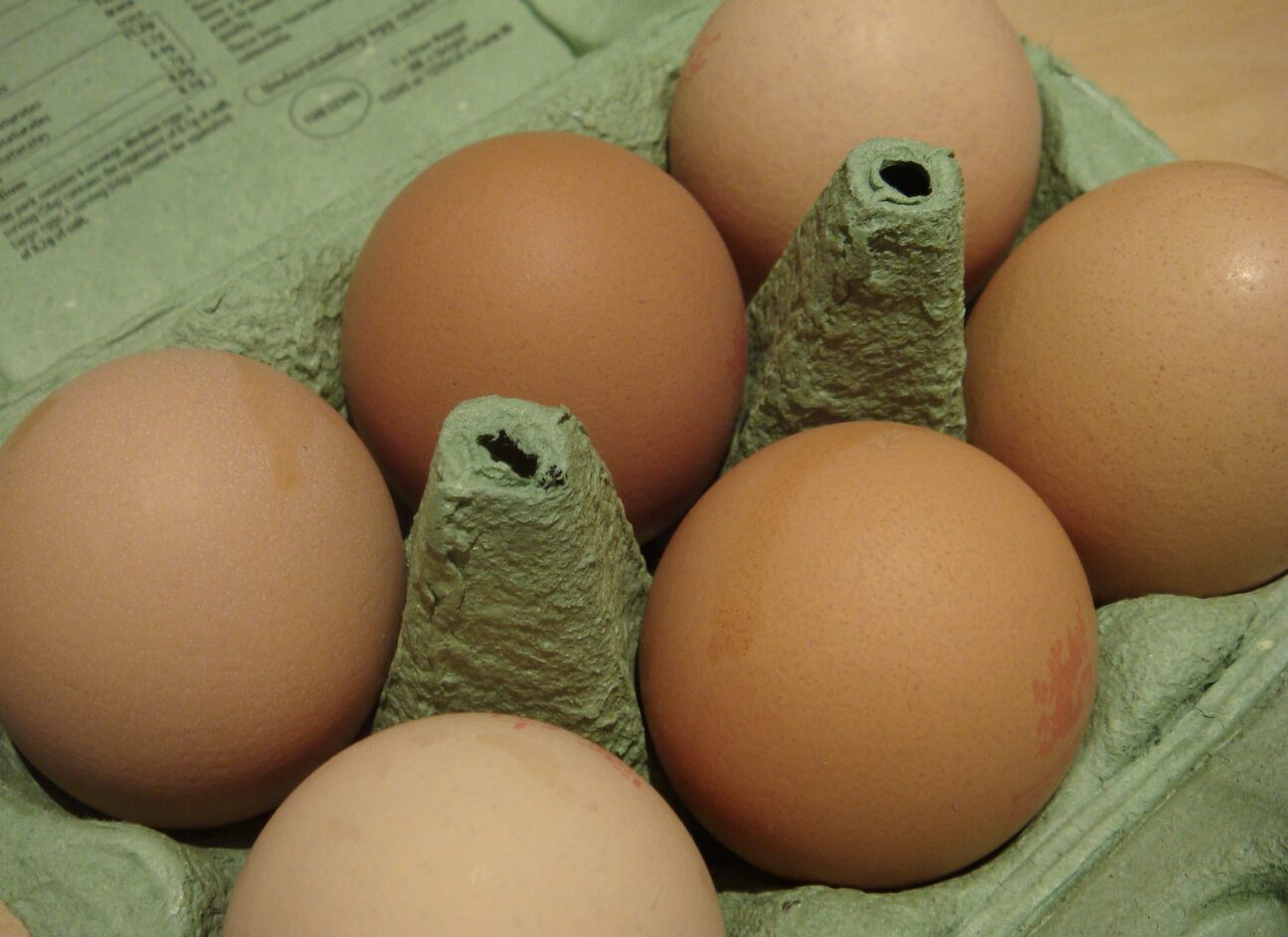
So, here’s an embarrassing memory: a few years ago, I hosted a dinner party and served a homemade quiche. The result? Everyone left feeling… not great. No ambulances were called, but let’s just say it wasn’t a hit. I felt terrible. I had cooked for everyone, and now I was the accidental food saboteur.
The cause? Eggs. But here’s the kicker: they looked totally fine. Not expired. No weird smell. Everything seemed normal. So what went wrong?
I later discovered a small detail I’d overlooked for years—the mysterious number printed on the side of the egg carton. I’d seen it countless times and assumed it was just a production code. Big mistake.
Julian Date: The Nerdy Way to Tell When Eggs Were Packed
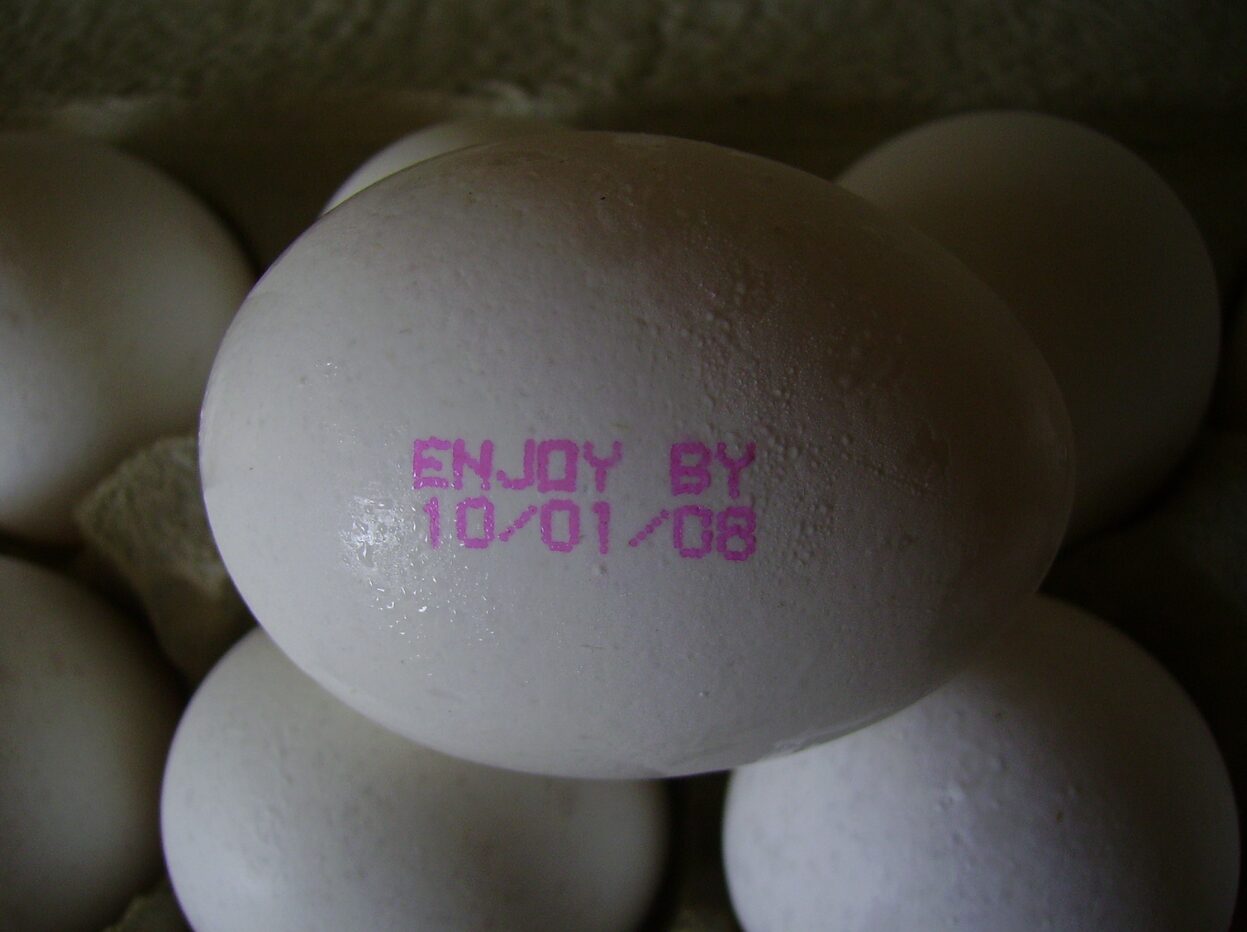
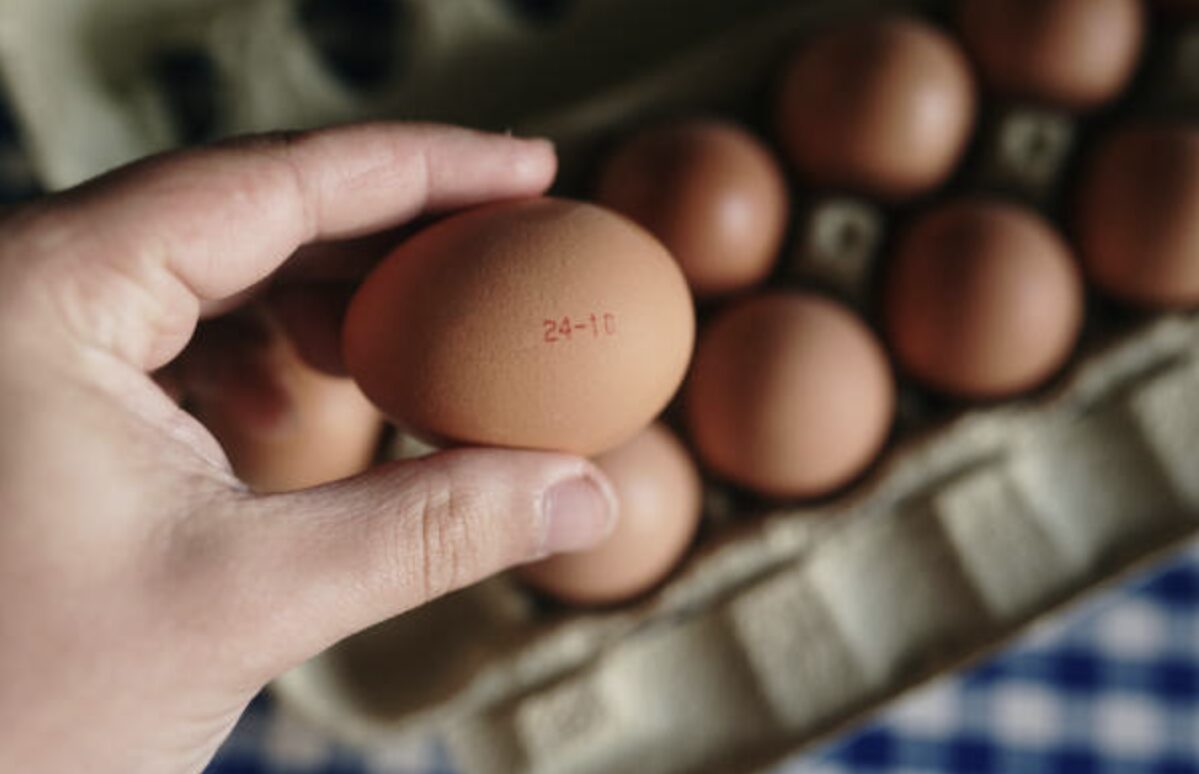
Those three-digit numbers like “045” or “312”? That’s called the Julian date. It tells you the exact day of the year the eggs were packed. “001” means January 1st, “123” is May 2nd, and so on.
Why care? Because the printed expiration date is often just a “sell by” suggestion. The Julian date is your ticket to knowing the actual freshness of your eggs.
Now, when I shop for eggs, I check for a Julian date within the last two weeks. I’ve probably raised a few eyebrows at the grocery store inspecting cartons like I’m grading wine, but I’ve earned my right to be picky.
The Plant Code: Trace Your Eggs to the Source
Right next to the Julian date, you’ll spot a “P” code like “P1053.” That’s the USDA plant code where the eggs were processed. It seems unimportant—until there’s a recall. Then it’s the only thing standing between you and a panic attack in front of your fridge.
Once, during a recall scare, I frantically checked both codes. Thankfully, no match. But the fear was real, and I’ve been a diligent code-checker ever since.
source: Flickr
Eggs Have a Shelf Life. Shocking, Right?
You’ve probably heard the water test: if it floats, it’s bad; if it sinks, it’s good. That’s a decent guideline, but not 100% reliable.
What I do now is track the Julian date and mark it on the carton like a mini countdown. “Packed: Day 124. Toss by Day 154.” I even add a frowny face emoji when they’re getting close. It’s silly, but effective.
Also—store your eggs in the coldest part of the fridge (not the door) to extend their shelf life. You’re welcome.
“Cage-Free” Doesn’t Mean What You Think It Means
Now let’s talk labels. “Cage-Free,” “Free-Range,” “Organic,” “Pastured”—they sound nice, but don’t always mean what you imagine.
- Cage-Free means they aren’t in cages—but they’re likely still packed tightly in a barn.
- Free-Range might mean outdoor access, but that can be a tiny door opened for a few minutes.
- Pastured is the golden term—these chickens usually roam freely outdoors.
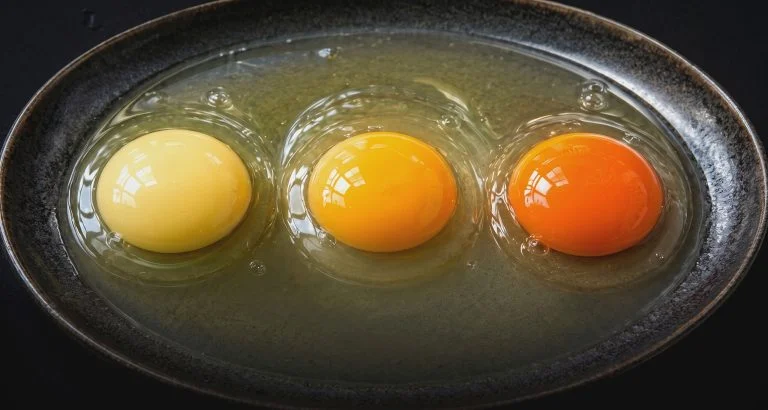
I’ve tried pastured eggs. The yolks are shockingly orange and taste rich and buttery. Maybe it’s in my head, maybe not. But I’m a convert.
Grades of Eggs: AA, A, and B
Eggs are graded by the USDA: AA, A, and B. AA eggs are top-tier—perfect for frying or poaching. A is great for most cooking, and B is rarely sold in supermarkets, mostly used for processed foods or bulk baking.
If I’m baking a cake? A-grade is fine. Making a perfect omelet? AA all the way.
source: iStock
When It Finally Clicked
One lazy Sunday, I made scrambled eggs. Same brand, same method—but something was off. They were watery, flavorless, just… sad.
I checked the carton. Julian date: 36 days old. Still “within date,” but clearly past its prime.
Two weeks later, I repeated the process with a fresher pack. The difference was night and day. Fluffier, tastier, better in every way. That’s when I realized: I’d become an egg snob. And I was okay with it.
Egg Carton Codes Matter More Than You Think
Now, every time I shop, I look at the Julian date. I check the plant code. I don’t rely on floating tests or misleading “sell by” dates. And I definitely don’t fall for marketing labels without digging deeper.
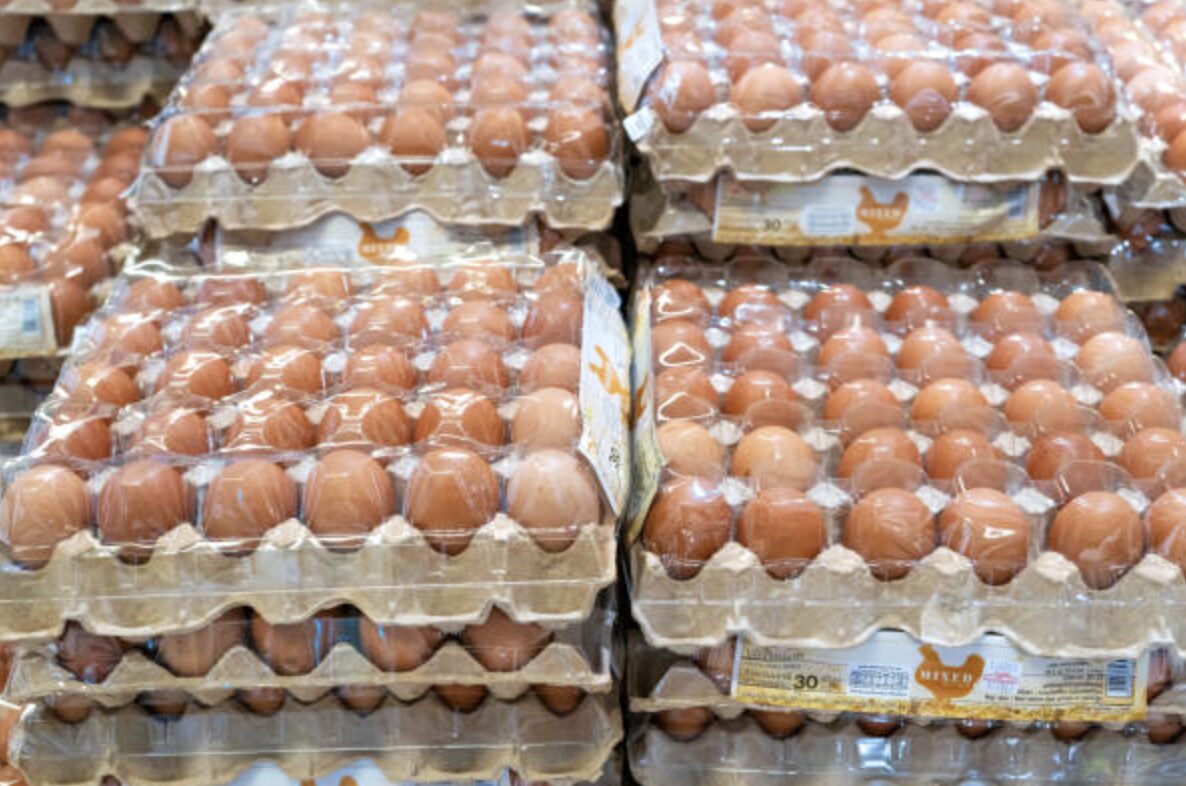
source: iStock
So next time someone sees you squinting at cartons in the store, just smile and keep comparing. You know what they don’t—how to actually read those codes. It might save your breakfast. Or your dinner party reputation.
And hey, no more accidental food poisoning. That’s a win in my book.