📌 Water heater: how to set it correctly to save 30 euros per month on your electricity bill
Posted 12 January 2026 by: Admin
The Water Heater, the Unknown Energy Pit of Households
As temperatures plunge and energy prices reach unprecedented heights, the French are increasing their saving gestures: shorter showers, pots systematically covered, thermostat lowered by one degree, television evenings wrapped in blankets. These reflexes are now anchored in the daily lives of millions of households facing constantly rising electricity bills.
Yet, one piece of equipment systematically escapes this collective vigilance: the water heater. Present in a majority of apartments and houses, this silent device nevertheless ranks second among the energy consumption items of a home, right after the heating system. This reality is surprising, as this equipment remains absent from domestic saving strategies.
This neglect is all the more damaging as the potential for savings proves to be considerable. According to professionals in the sector, proper maintenance of the water heater can generate up to 30 euros in monthly savings. A substantial sum in a context where every euro counts, obtained without sacrificing the slightest comfort, unlike the usual privations imposed by the energy crisis.
Plumbers, faced daily with outdated or poorly maintained installations, hold a solution accessible to all, requiring no advanced technical skills.
The Simple Trick from Professional Plumbers
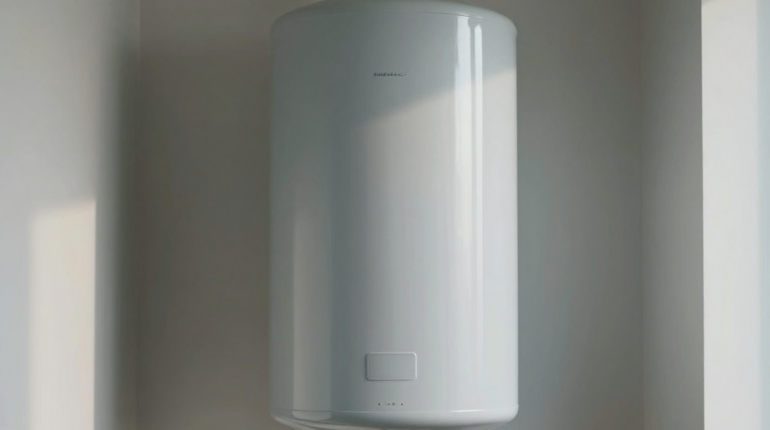
This solution is based on an elementary technical gesture, within anyone’s reach. Plumbers reveal that it is enough to thermally insulate the hot water tank and the associated pipes to drastically limit heat loss. An operation that can be carried out in a few hours, without specialized tools or prior training.
The principle? Wrap the water heater in a suitable insulator, usually an insulating blanket or a kit provided for this purpose, available in DIY stores for less than 50 euros. This thermal barrier prevents the heat accumulated in the tank from escaping into the surrounding environment, forcing the device to perform fewer heating cycles to maintain the desired temperature.
Hot water pipes benefit from the same treatment. Covered with foam insulating sleeves, they retain the heat of the liquid transported to taps and showers, avoiding premature cooling that forces the system to work harder. This targeted intervention transforms energy-intensive equipment into an optimized device.
The effectiveness of this method is explained by the significant reduction in passive thermal losses. In a standard home, an uninsulated water heater can lose up to 30% of its heat into the surrounding atmosphere. Insulation corrects this structural inefficiency, mechanically generating measurable savings from the first month of application.
Why the Water Heater Is So Energy-Intensive
This energy inefficiency is explained by a continuous operation that is rarely questioned. Unlike heating activated occasionally, the water heater maintains water at a constant temperature 24 hours a day, generating permanent electricity consumption even during prolonged absences or sleep periods.
The standard design of these devices aggravates the phenomenon. Often placed in unheated spaces such as basements, garages, or laundry rooms, the tanks undergo the maximum thermal gap with their environment. This temperature difference accelerates heat loss, multiplying the heating cycles necessary to compensate for passive losses.
The strategic positioning of the water heater in the domestic energy hierarchy, however, hardly surprises professionals. Producing and maintaining 200 to 300 liters of water at 60 degrees requires considerable electrical power, mobilizing between 2000 and 3000 watts per cycle. This sustained energy demand far exceeds that of a refrigerator or a washing machine, which are nevertheless perceived as more greedy.
The general inattention toward this equipment stems from a lack of immediate visibility. Hidden in a technical corner, the water heater escapes the behavioral radars that primarily target devices handled daily. This structural neglect transforms a major optimization item into a blind spot of saving strategies, leaving intact a substantial potential for improvement that thermal insulation precisely allows to exploit.
Concrete Savings in a Context of Energy Crisis
This neglected optimization potential translates into a precise figure: 30 euros in monthly savings achievable thanks to a simple intervention on the insulation of the hot water tank. A sum which, projected over the year, represents 360 euros subtracted from the energy bill without altering daily comfort.
This technical solution responds directly to the price escalation hitting households for several years. While energy suppliers multiply increases and forecasts announce a continuation of this trend, structurally reducing one’s electricity consumption becomes a strategic necessity rather than a simple budget adjustment option.
The approach differs radically from the usual sacrifices imposed by energy constraints. Unlike shortened showers generating frustration, lowered indoor temperatures causing discomfort, or systematically covered pots weighing down the culinary routine, water heater insulation acts behind the scenes. The saving occurs automatically, without behavioral modification or perceptible decrease in the standard of living.
This unique intervention generates a lasting and cumulative benefit. Once the tank is properly insulated, the savings are renewed month after month without requiring additional effort or constant vigilance. The return on investment, often less than three months depending on the insulating material chosen, transforms this professional trick into a pragmatic adaptation lever in the face of energy inflation that is durably redefining the balance of domestic budgets.