Those blue lines visible beneath the skin can feel alarming, but they are not always a cause for concern. In many cases, visible veins are a natural result of how the body looks and functions. Knowing the difference between a harmless change and a genuine warning sign can make all the difference.
En bref
- —Visible veins are often completely harmless and normal
- —Low body fat, exercise, and heat are common causes
- —Pain, swelling, or cold extremities require medical advice
A common sight that is usually harmless
For many people, seeing veins through the skin is simply a feature of their body’s natural appearance. There is no single cause, and in most cases, nothing is wrong.
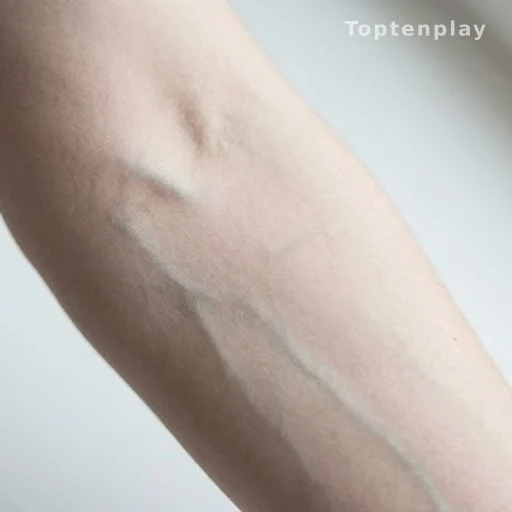
Several everyday factors can make veins more visible than usual. Low body fat reduces the layer of tissue between the skin and the veins beneath it, making them easier to see. Regular physical exercise increases blood flow and can cause veins to appear more prominent, particularly in the arms and legs.
Environmental factors also play a role. Warm temperatures cause blood vessels to dilate, pushing veins closer to the surface of the skin. As a result, veins that were barely noticeable in cooler conditions may suddenly appear much more visible.
The role of aging and circulation
As the body ages, the skin naturally becomes thinner and loses some of its elasticity. This gradual change means that veins which were once hidden beneath a thicker layer of skin become increasingly visible over time.
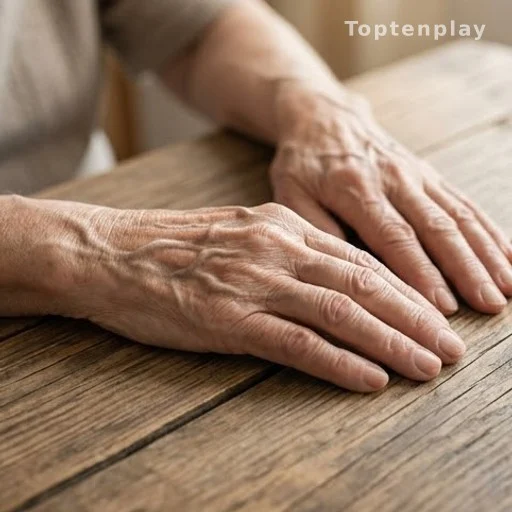
Changes in circulation can also affect how veins appear. When blood flow shifts or slows in certain areas, veins may look darker or more pronounced. This is not necessarily a sign of a problem, but rather a reflection of how the cardiovascular system adapts with age.
It is worth noting that these changes can feel sudden or unfamiliar, even when they are entirely normal. A vein that appears more visible after a workout or on a hot day is typically nothing more than the body responding to its environment.
Understanding veins and the skin
Veins are the blood vessels responsible for carrying blood back to the heart. Their visibility through the skin depends on several factors, including skin thickness, body composition, and blood flow. Most people will notice their veins becoming more visible at some point in their lives, particularly as they age or become more physically active.
Warning signs that should not be ignored
While most cases of visible veins are benign, there are specific symptoms that warrant closer attention. Pain, swelling, or noticeable changes in skin color around a vein are signs that something may be wrong and should not be dismissed.
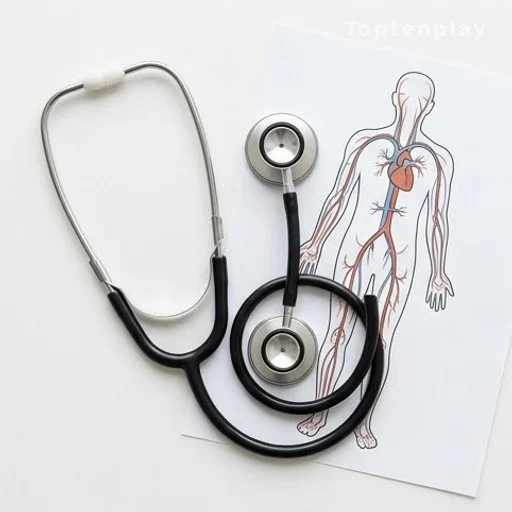
Cold fingers or toes can indicate poor circulation or a vascular issue affecting blood flow to the extremities. This symptom, particularly when persistent, is a reason to consult a healthcare professional.
Slow-healing wounds near visible veins, or a feeling of persistent discomfort in the affected area, are also signs that the body may be signaling an underlying condition. In these situations, seeking medical advice promptly is the recommended course of action.
When to seek medical advice
The key question for anyone concerned about visible veins is whether the change is accompanied by other symptoms. Visible veins alone, without pain or swelling, are generally not a medical emergency.
However, a combination of sudden visibility, discomfort, and changes in skin tone or temperature creates a picture that a doctor should evaluate. Early assessment can rule out conditions related to circulation or vein health.
Ultimately, listening to the body remains the most reliable guide. When a change feels unusual, persistent, or is accompanied by physical symptoms, professional medical advice is always the safest and most responsible step to take.
Visible veins are, in the vast majority of cases, a harmless and natural feature of the human body. Factors such as low body fat, physical activity, aging, and heat are the most common explanations. What matters most is paying attention to accompanying symptoms: pain, swelling, cold extremities, or slow-healing wounds are the real signals that require professional evaluation. When in doubt, a medical consultation is always the right decision.