Anatomy And Mechanisms: Why The Female Urethra Is More Vulnerable
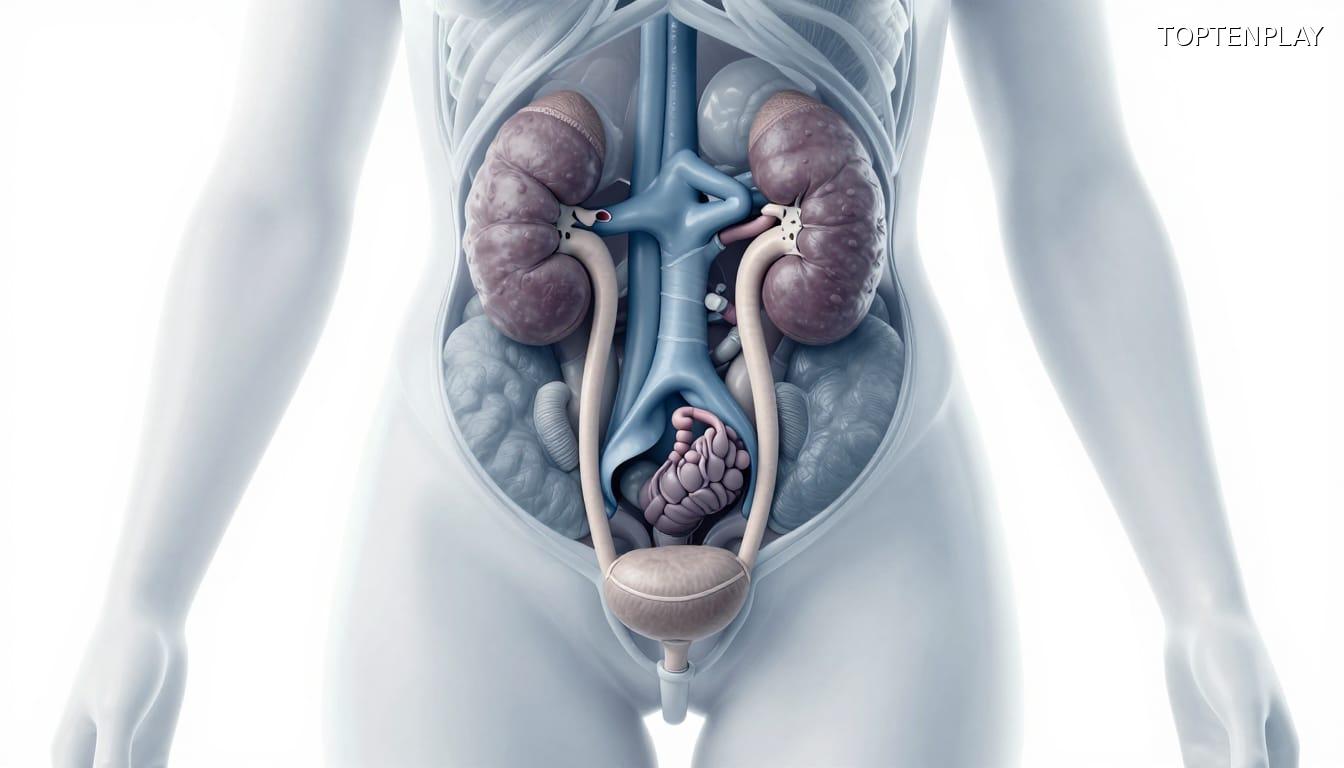
The human urinary system relies on four essential components: the kidneys filter the blood and produce urine, the ureters transport this liquid to the bladder which stores it, before its evacuation through the urethra. This seemingly simple architecture conceals a major anatomical vulnerability in women.
The female urethra measures about 4 centimeters, compared to 20 in men. This difference in length transforms this conduit into an express highway for bacteria. When microorganisms reach the urethral opening, they travel only a minimal distance before reaching the bladder, a fertile ground for their multiplication. This anatomical proximity explains why women develop urinary tract infections at a rate eight times higher than men.
The geographical location of the female urethra worsens this predisposition. Located between the vagina and the anus, this orifice is in an area naturally colonized by various bacterial floras. This anatomical cohabitation, perfectly normal biologically, nonetheless creates constant opportunities for cross-contamination.
Understanding this bodily mechanic helps to de-dramatize recurrent infections: they do not result from a lack of hygiene, but from an anatomical configuration that naturally favors bacterial migration to the bladder.

Bacterial Transfer During Intimacy: A Natural Phenomenon To Manage
This vulnerable anatomical configuration finds its critical point during sexual intercourse. Repeated movements inevitably create a mechanical displacement of bacteria present on the skin, in the perineal and vaginal area, toward the urethral opening. This process does not indicate any lack of cleanliness: even after impeccable hygiene, our body naturally hosts millions of microorganisms.
The problem arises after intimacy. Bacteria deposited near the urethra find a moist and warm environment there, conducive to their development. Without intervention, they multiply rapidly, forming colonies that can then migrate to the bladder via the short urethral path. This bacterial stagnation transforms a commonplace biological phenomenon into a tangible infection risk.
The numbers speak for themselves: up to 80% of urinary tract infections in sexually active women are directly linked to sexual activity. This statistic calls for neither guilt nor excessive worry, but awareness. The body functions according to immutable biomechanical rules, independent of our will.
The question is therefore not to avoid this bacterial transfer – anatomically impossible – but to neutralize its potential consequences through simple and immediate preventive actions.
Post-Coital Urination: Four Scientifically Established Benefits
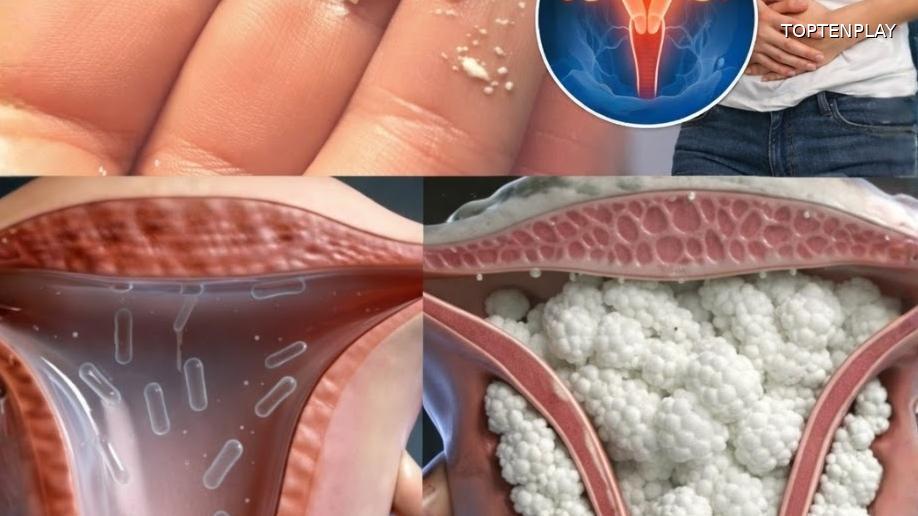
Faced with this post-coital bacterial accumulation, a disconcertingly simple solution exists: urinating within 15 minutes after sex. This harmless gesture triggers a cascade of protective mechanisms that medical research has perfectly documented.
First effect: the mechanical evacuation of bacteria. The urinary flow acts like a pressurized jet that literally sweeps away microorganisms present in the urethra. This natural flushing expels bacterial colonies before they begin their upward migration to the bladder. Studies show that this rinsing reduces the urethral bacterial load by 60% in a single void.
Second benefit: the drastic reduction of accumulation near the bladder. By eliminating bacteria from the lower urinary tract, urine interrupts the progressive colonization process that leads to infection. This preventive barrier explains why urologists systematically recommend this practice to patients prone to recurrent cystitis.
Third advantage: support for the natural self-cleaning system. Our urinary tract has its own immune defenses, but these work better when bacterial pressure remains low. Regular urination maintains this delicate balance between microbes and local immunity.
Final result: a measurable reduction in infection risk, without medication, without constraint, just by listening to a physiological signal that the body often sends spontaneously after intimacy.

Global Prevention: Targeted Populations And Complementary Strategies
This post-coital habit offers particularly valuable protection to certain at-risk profiles. Women who suffer from recurrent urinary tract infections — defined as three or more episodes per year — constitute the first priority category. For them, this simple reflex often transforms a hellish cycle of repeated cystitis into a peaceful calendar. People with sensitive urinary systems, reacting to the slightest bacterial imbalances, also benefit from this daily preventive shield.
But urinating alone is not enough. A complete strategy requires other pillars: sufficient hydration maintains a regular urinary flow that prevents bacterial stagnation; avoiding holding urine for too long prevents microbial multiplication in the bladder; gentle intimate hygiene, without aggressive scented products, preserves the natural protective flora; breathable cotton underwear limits the humidity favorable to germs.
However, this gesture remains a preventive support, never a cure. Faced with symptoms of infection — burning during urination, pelvic pain, cloudy urine, constant urgency — medical consultation remains indispensable. No natural rinsing replaces targeted antibiotic therapy once the infection has set in.
The major asset? This protection costs zero dollars, presents zero risk, requires zero equipment. Just a moment of attention paid to one’s body after intimacy, transforming an anatomical vulnerability into an effective protective routine.