The cake comes out of the oven with that smell of warm vanilla and golden crumb that makes you want to cut a slice even before it cools. This fromage blanc sponge cake is soft, simple, reassuring, the kind of cake you place in the middle of the table without ceremony. It has that homemade snack side that immediately calms cravings for sweetness.
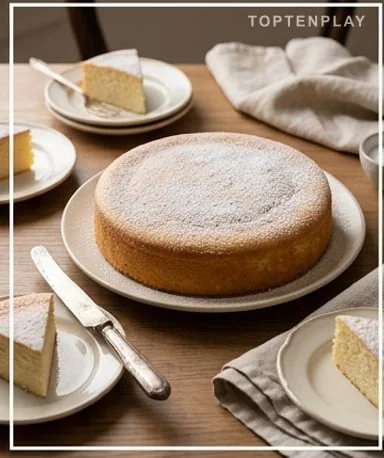
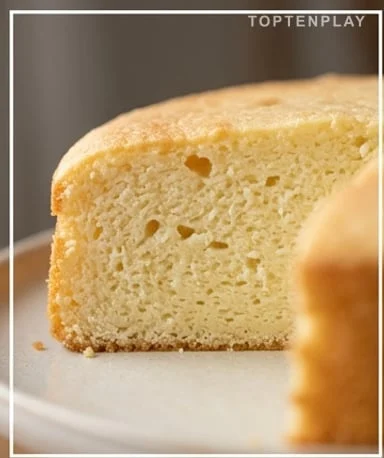
The surface is light blond, slightly domed, with small discreet cracks that announce a tender crumb. When you slice, the knife glides without resistance and reveals a soft, slightly moist texture, not dry at all. The fromage blanc brings a milky sweetness that is felt from the first bite, especially with vanilla and a little lemon zest. It’s a soft cake, but not flat, with a real sense of freshness at the end of the mouth.
Why you’ll love this recipe
Ingredient Notes
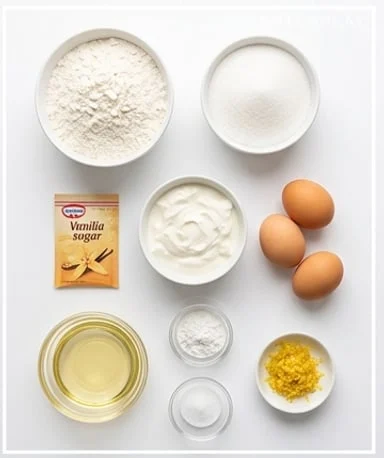
Basic pantry staples, plus fromage blanc for that slightly moist softness that changes everything.
- Fromage blanc : It brings the moisture and softness that makes all the difference compared to a more classic sponge. Choose a fairly thick fromage blanc, not too runny; otherwise, a thick plain yogurt or skyr works well.
- Flour : It gives the cake structure, but overmixing can make the crumb denser. Standard wheat flour is enough, and sifting helps keep a smooth batter without small dry lumps.
- Eggs : They bind the batter and give a more stable crumb with a clean slice. Use them at room temperature so they mix better with the fromage blanc and oil.
- Vegetable oil : It keeps the cake soft longer than melted butter, with a more melting feel in the mouth. Use a neutral oil like sunflower or canola so as not to cover the vanilla.
- Sugar and vanilla : Sugar also helps with tenderness, not just sweetness. Vanilla sugar works well, but good-quality vanilla extract gives a deeper, less artificial aroma.
- Baking powder and lemon : Baking powder gives volume, while lemon cuts through the sweetness with a fresh note. If you don’t like lemon, replace it with orange zest or just keep the vanilla.
The creamy base
Start by mixing the sugar, vanilla, and fromage blanc until you get a smooth, pale, shiny cream. This first mix really counts because it distributes the sugar and avoids small grainy spots in the crumb. The texture should resemble a thick cream, without visible lumps on the edges of the bowl. If your fromage blanc is very cold, let it sit at room temperature for a few minutes: it will relax better and the batter will be more homogeneous.
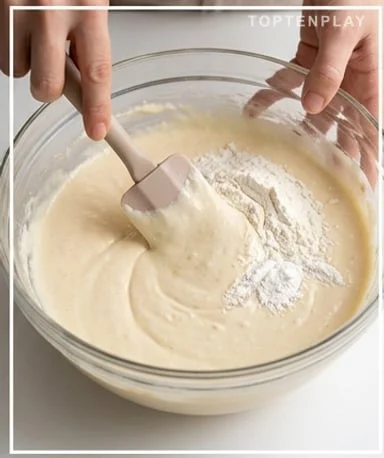
The soft batter
Pour the oil slowly, mixing to obtain a satiny batter that slides off the spatula. Then add the eggs one at a time, because the batter absorbs them better and stays more consistent. When you incorporate the flour and baking powder, slow down: you just need to make the white traces disappear, not beat the batter like cream. If you mix too long, the crumb will lose its lightness and become denser under the tooth.
The prepared pan
Preheat the oven to 180 °C while you prepare a round pan with parchment paper or light greasing. When the batter falls into the pan, it should form a thick ribbon and smooth out almost by itself. Simply run the spatula over the top, without seeking a perfect surface: the small waves will largely disappear during baking. A 20 to 22 cm pan gives a nice height, with a soft crumb in the center and gently golden edges.
The right baking
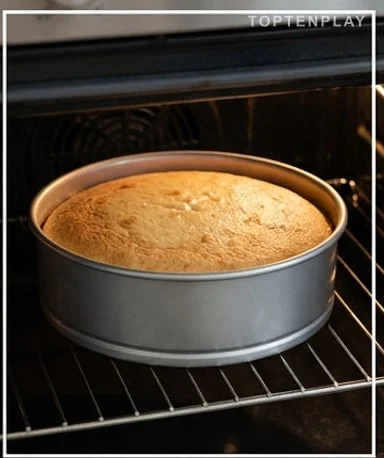
Place in the oven and bake without opening the door too early, because the cake needs stable heat to rise properly. After about twenty minutes, the smell of warm vanilla starts to come out of the oven and the surface takes on a golden blond color. Check around 25 to 30 minutes with a knife blade: it should come out clean, but not necessarily hot and dry. If the top colors too quickly, slightly lower the temperature or cover very loosely at the end of baking.
The resting
Let the cake cool before unmolding, even if the smell makes you want to dive in right away. When hot, it is more fragile and its crumb can compact if handled too quickly. Once cooled, it cuts into clean slices with a soft, almost velvety interior. The next day, it remains good with tea, coffee, or a glass of milk, especially if kept well covered to preserve its moisture.
Tips & Tricks
- Use ingredients at room temperature, because the fromage blanc, eggs, and oil emulsify better and give a smoother batter.
- Mix the flour as little as possible, because overworking develops the batter’s structure and makes the crumb less tender.
- Don’t overload the batter with toppings, because too much fruit or cocoa can weigh down the center and slow down baking.
- Wait for the cake to cool before cutting, because the crumb finishes stabilizing as it rests and keeps a more even texture.
Why add fromage blanc to a sponge cake?
Fromage blanc gives a softer, slightly moist crumb without weighing down the cake. It also helps keep the result soft longer than a classic sponge.
Can I replace the fromage blanc?
Yes, you can use thick plain yogurt, skyr, or a small Swiss cheese loosened with a spoonful of milk. Avoid runny yogurts, which can make the batter less stable.
Why is my sponge cake dense?
Most often, the batter was overmixed after adding the flour. You should incorporate the dry ingredients just enough so that no white traces remain.
How do I know the cake is done?
The surface should be lightly golden and a knife blade inserted in the center should come out clean. If it comes out with raw batter, continue baking in 3-5 minute increments.
Can I flavor this sponge differently?
Yes, it works well with orange zest, a little unsweetened cocoa, or shredded coconut. Keep a light hand so as not to mask the mild taste of fromage blanc.
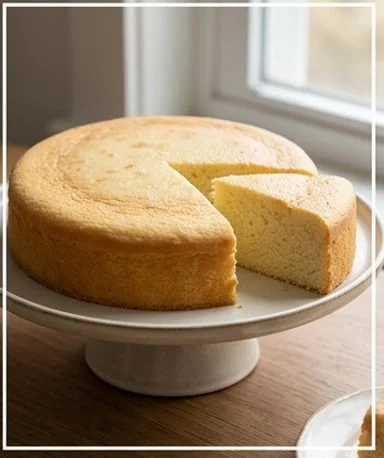
Ultra-Soft Fromage Blanc Sponge Cake
French
Dessert
A simple, tender, and slightly moist cake, perfect for a snack or breakfast. Fromage blanc gives a soft crumb without complicated techniques.
Ingredients
- 100 g sugar
- 1 teaspoon vanilla sugar or vanilla extract
- 100 g fromage blanc
- 80 ml neutral vegetable oil
- 2 eggs
- 120 g flour
- 1 teaspoon baking powder
- 1 pinch salt
- 1/2 lemon, for zest
Instructions
- 1Preheat the oven to 180 °C and prepare a round 20 to 22 cm pan with parchment paper or light greasing.
- 2Mix the sugar, vanilla, and fromage blanc in a bowl until smooth.
- 3Gradually pour in the oil while mixing, then add the eggs one at a time.
- 4In another bowl, mix the flour, baking powder, and salt.
- 5Fold the dry ingredients into the wet mixture without overmixing.
- 6Add the lemon zest, then pour the batter into the pan and lightly smooth the surface.
- 7Bake for 25 to 30 minutes, until the top is golden and a knife inserted in the center comes out clean.
- 8Let cool slightly before unmolding, then cool completely on a wire rack before slicing.
Notes
• Use eggs and fromage blanc at room temperature for a more homogeneous batter.
• Do not overmix after adding flour, otherwise the crumb becomes denser.
• Lemon zest is optional, but it adds a very pleasant freshness.
• The cake keeps for 2 days at room temperature, well covered.
Nutrition Facts (per serving, estimated)
| 285 kcalCalories | 5gProtein | 33gCarbs | 15gFat |