The broader takeaway from plumbing science is that the material composition of mop water — grit, hair, grease, and chemical degreasers — makes it incompatible with fixtures designed for clean-water use. Treating disposal as a deliberate step in the cleaning routine, rather than an afterthought, protects both plumbing infrastructure and bathroom surfaces from cumulative damage.
The long-term plumbing cost of the wrong disposal habit
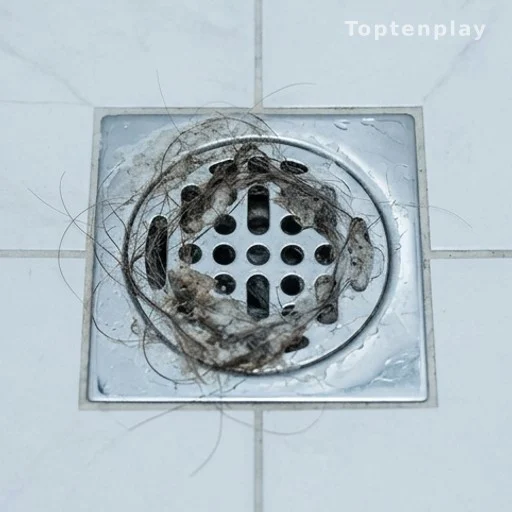
The risks described by plumbers are not theoretical. Repeated disposal of grit-laden water into a bathtub drain accelerates P-trap clogs — one of the most common household plumbing calls. Hair and fine sand accumulate in the curved pipe section, restricting flow until a blockage forms. Depending on the severity, clearing a P-trap clog can range from a straightforward DIY task to a job requiring a licensed plumber.
Surface damage follows a similar slow-burn pattern. Micro-scratches in a fiberglass or porcelain tub finish are invisible at first. Over months and years of repeated exposure to gritty mop water, the surface becomes visibly dull and develops a texture that traps soap scum and mineral deposits. Restoring a heavily scratched fiberglass tub typically involves professional resurfacing — a cost that far exceeds the inconvenience of walking to a utility sink.
For households without a dedicated utility sink, the practical solution is to establish a consistent outdoor disposal routine or to invest in a simple mop bucket with a built-in wringer that reduces the volume of water requiring disposal. Small adjustments in habit, applied consistently, prevent the kind of gradual fixture and drain damage that only becomes visible — and expensive — after years of accumulation.
The next practical question for households is whether a utility sink is worth adding during a bathroom or laundry room renovation — a decision that intersects directly with plumbing installation costs and fixture choices. For those already dealing with a dull bathtub finish or a slow-draining tub, a plumber’s assessment of the P-trap and surface condition would clarify whether resurfacing or drain cleaning is already warranted. The habit of where mop water goes is small, but its consequences accumulate in the pipes and on the surfaces long before they become visible.
Suggested Posts
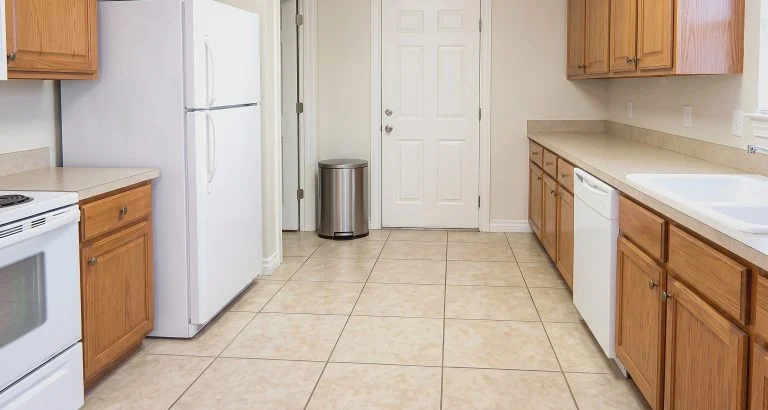
Can you spot the large dog hiding in this kitchen photo?
A photo shared by Christina Suvo and reported by 7 News Perth has been fooling viewers around the world: what looks like a perfectly…