

Among the most documented triggers are radiation exposure — whether from medical treatments or nuclear accidents — and low iodine intake. Genetic mutations, particularly MEN2A and MEN2B syndromes, as well as a family history of thyroid disease or cancer, also place individuals at higher risk.
Other contributing factors include chronic thyroid inflammation (known as thyroiditis), obesity, and the presence of a goiter — an abnormal enlargement of the thyroid gland. The combination of these variables helps explain why the condition is becoming more prevalent, and why dietary management is increasingly part of the conversation around thyroid cancer treatment.
Soy, caffeine, alcohol: the foods that interfere with thyroid medication
For patients undergoing thyroid cancer treatment, certain everyday foods can actively work against their medication. Soy-based products, for instance, contain isoflavones — compounds that may disrupt thyroid hormone production. Doctors advise patients, especially those on thyroid medication, to limit soy consumption, though it does not need to be eliminated entirely.

Caffeine presents a more specific concern: it can interfere with the absorption of thyroid medication. Medical guidance recommends avoiding coffee and caffeinated drinks for at least one hour before or after taking thyroid medication — a simple but important adjustment to daily routine.
Alcohol goes further, as it both suppresses thyroid hormone production and directly damages thyroid cells. It also places additional strain on the liver, which plays a key role in hormone metabolism. Processed and canned foods, high in preservatives and unhealthy fats, are similarly flagged for their potential to impair thyroid function — with doctors recommending fresh, whole foods as alternatives.
What is the thyroid gland?
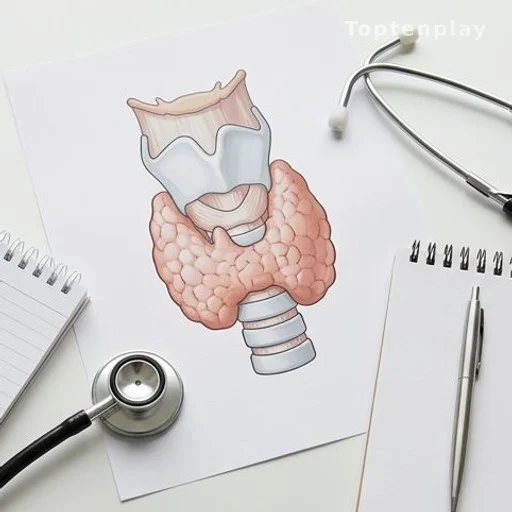
The thyroid is a small, butterfly-shaped gland located at the base of the neck. It produces hormones that regulate metabolism, heart rate, and body temperature. When its cells become malignant, the resulting cancer can disrupt hormone production and requires medical treatment — often including surgery, radioactive iodine therapy, or hormone replacement medication.
Iodine, gluten, and surgery recovery: three more dietary pitfalls
Iodine is essential for thyroid function — but in excess, it can cause harm. Foods very high in iodine, such as seaweed and seafood, can worsen thyroid dysfunction and are particularly problematic for patients preparing for radioactive iodine treatment, a common therapy for thyroid cancer. Careful monitoring of iodine intake is therefore recommended during this phase.

Gluten-rich foods — including wheat, barley, and processed products like sausages and beer — may trigger inflammation and interfere with the absorption of thyroid medication. While not all thyroid patients require a fully gluten-free diet, limiting these foods is considered a sensible precaution according to medical advice.
Suggested Posts

Can you spot the large dog hiding in this kitchen photo?
A photo shared by Christina Suvo and reported by 7 News Perth has been fooling viewers around the world: what looks like a perfectly…