Image d’illustration © TopTenPlay EN
The Mosquito Problem: Why Bird Baths Become Pest Magnets
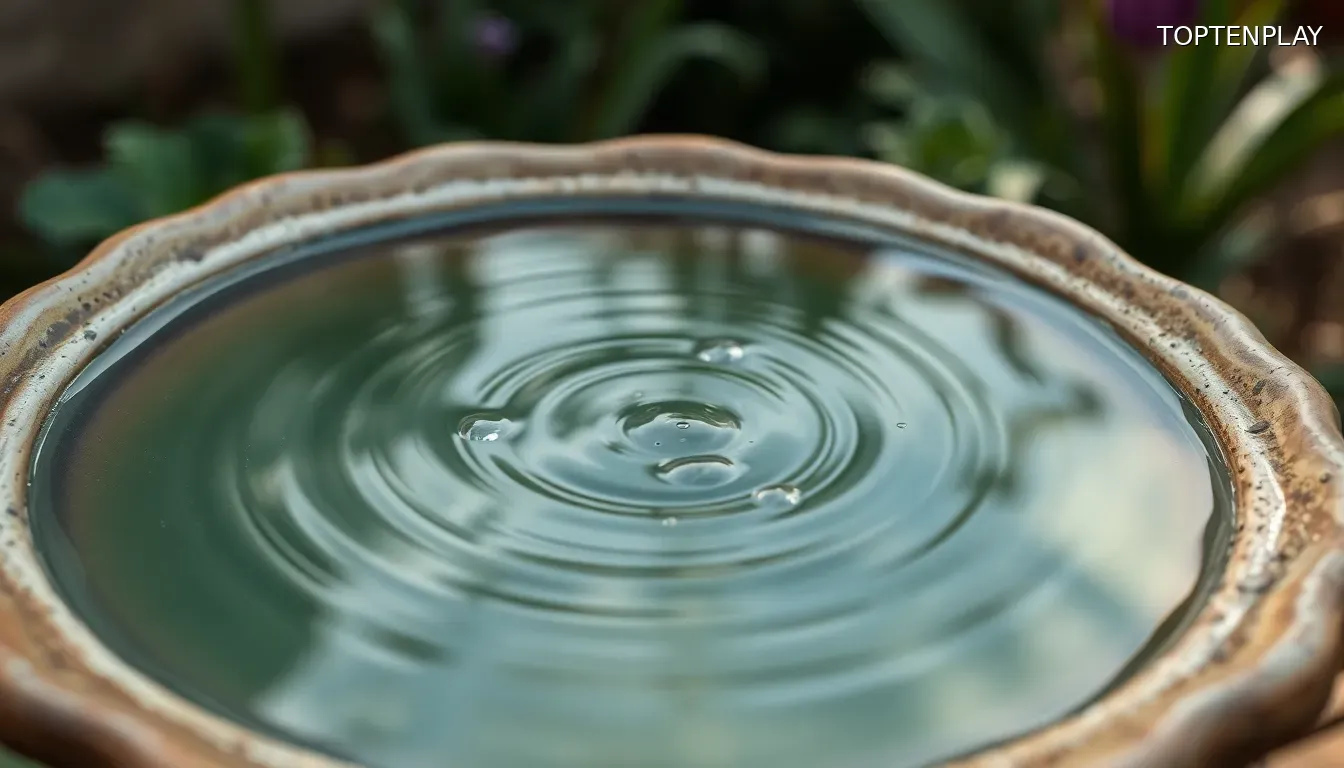
The warm weather brings welcome visitors to your garden – and some decidedly unwelcome ones. While you’ve carefully positioned that bird bath to attract feathered friends, you’ve inadvertently created what amounts to an office water cooler for bug socializing. Mosquitoes view your tranquil water feature as prime real estate for their most essential activities: feeding and breeding.
These persistent pests specifically target stagnant water sources, making your bird bath a mosquito magnet. Female mosquitoes seek out still water to lay their eggs, transforming your peaceful garden centerpiece into a nursery for the next generation of blood-sucking insects. The very stillness that creates those picture-perfect reflections becomes an open invitation for mosquito reproduction.
The dilemma is clear: removing the bird bath means saying goodbye to your avian visitors, while keeping it guarantees an escalating mosquito problem. Traditional solutions like water wigglers or fountain-style bird baths offer relief, but replacing a perfectly functional fixture seems wasteful and expensive.
Yet there’s a clever alternative that doesn’t require purchasing new equipment or abandoning your current setup. The solution lies in understanding a simple principle: mosquitoes avoid moving water. By creating just enough disruption to keep the water from remaining completely still, you can maintain your bird-friendly garden while naturally deterring these unwanted pests.
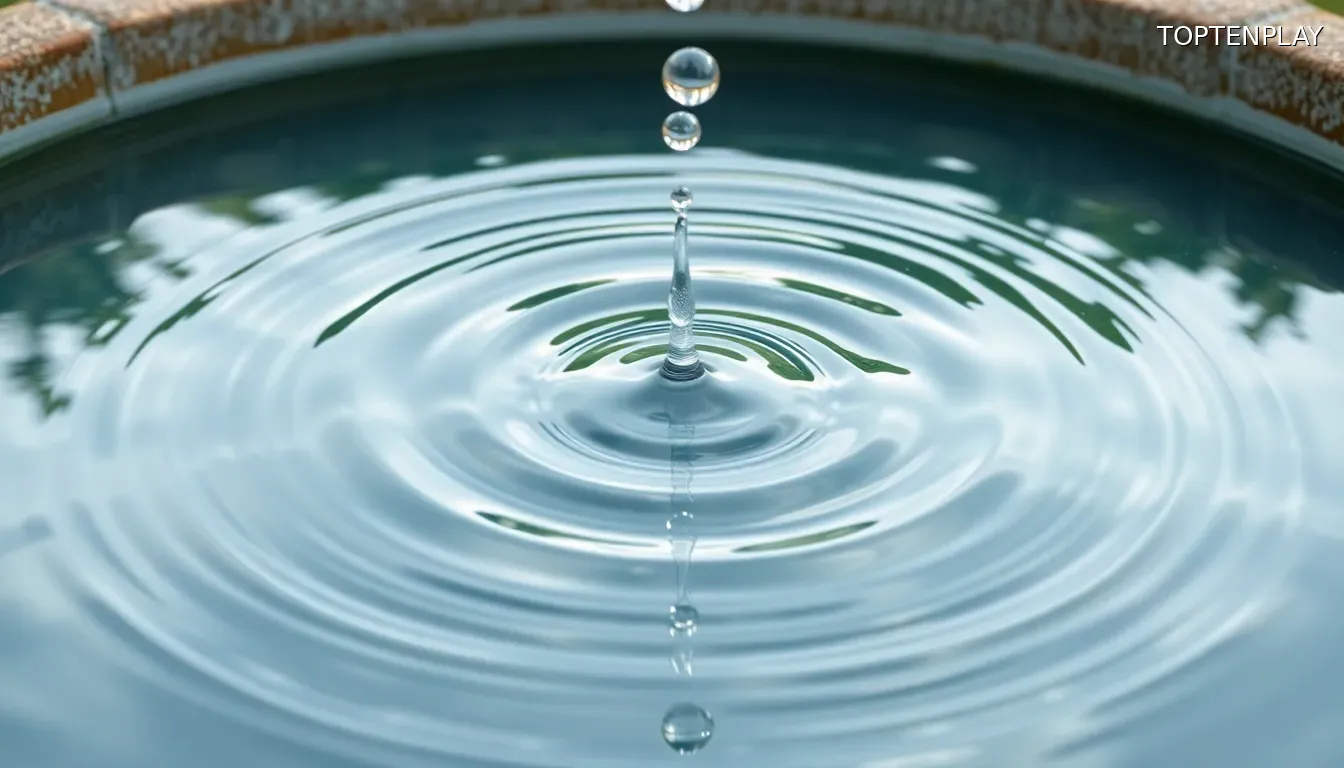
Image d’illustration © TopTenPlay EN
The Science Behind Water Disruption As Natural Deterrent
This disruption principle isn’t just garden folklore – it’s rooted in mosquito behavior science. These insects have evolved to detect the perfect breeding conditions, and stagnant water represents their ideal nursery environment. When water remains perfectly still, it signals safety for egg-laying females who require calm surfaces to successfully deposit their larvae.
The genius behind the milk jug hack lies in creating constant ripples that churn up the water surface. Even minimal movement fundamentally alters the water’s appeal to mosquitoes. The continuous disturbance prevents the formation of the biofilm layer that mosquito larvae depend on for survival, while the surface agitation makes it nearly impossible for females to complete their egg-laying process.
Unlike chemical deterrents that can harm beneficial insects and birds, this natural approach works by simply mimicking conditions mosquitoes instinctively avoid in nature. Moving water sources like streams and rivers rarely harbor mosquito populations because the current prevents successful breeding cycles.
The beauty of this method extends beyond mere pest control. By maintaining water movement, you’re creating an environment that remains attractive to birds while becoming inhospitable to mosquitoes. Birds actually prefer slightly moving water – it signals freshness and safety to them, making your bath even more appealing to your feathered visitors.
This clever hack transforms basic physics into practical pest management, requiring nothing more than gravity and a simple water delivery system to maintain the continuous disturbance that keeps mosquitoes at bay.

Image d’illustration © TopTenPlay EN
Step-by-Step Construction Of The Milk Jug Drip System
Now that you understand the science, transforming theory into practice requires just a few common household items and strategic planning. The construction process centers on creating the optimal water flow that maintains continuous surface disruption without overwhelming your bird bath.
Start with a thorough cleaning regimen for your empty milk jug. Wash it with warm water, then add vinegar to eliminate any dairy residue – this step proves crucial since soap residues could contaminate the water your feathered visitors depend on. The vinegar approach ensures both cleanliness and safety for birds.
The hole placement determines your system’s effectiveness. Hold the jug by its handle and tilt it diagonally to identify the farthest corner from your grip. Use a nail or sharp pointed tool to create a small puncture at this strategic location. When you eventually hang the container by its handle, gravity and the diagonal positioning will ensure consistent water flow from this optimal drainage point.
Consider cutting off the jug’s top completely to create a wider opening. This modification dramatically simplifies the refilling process, allowing you to add water quickly without struggling with the narrow original mouth.
The hole size directly controls your drip rate – smaller punctures produce slower, more controlled water release that creates just enough surface movement to deter mosquitoes. This precision approach prevents waste while maintaining the continuous disturbance that forms the foundation of this natural pest management system.
Your recycled container now transforms into a gravity-fed water disruption device, ready for installation and immediate mosquito deterrence.
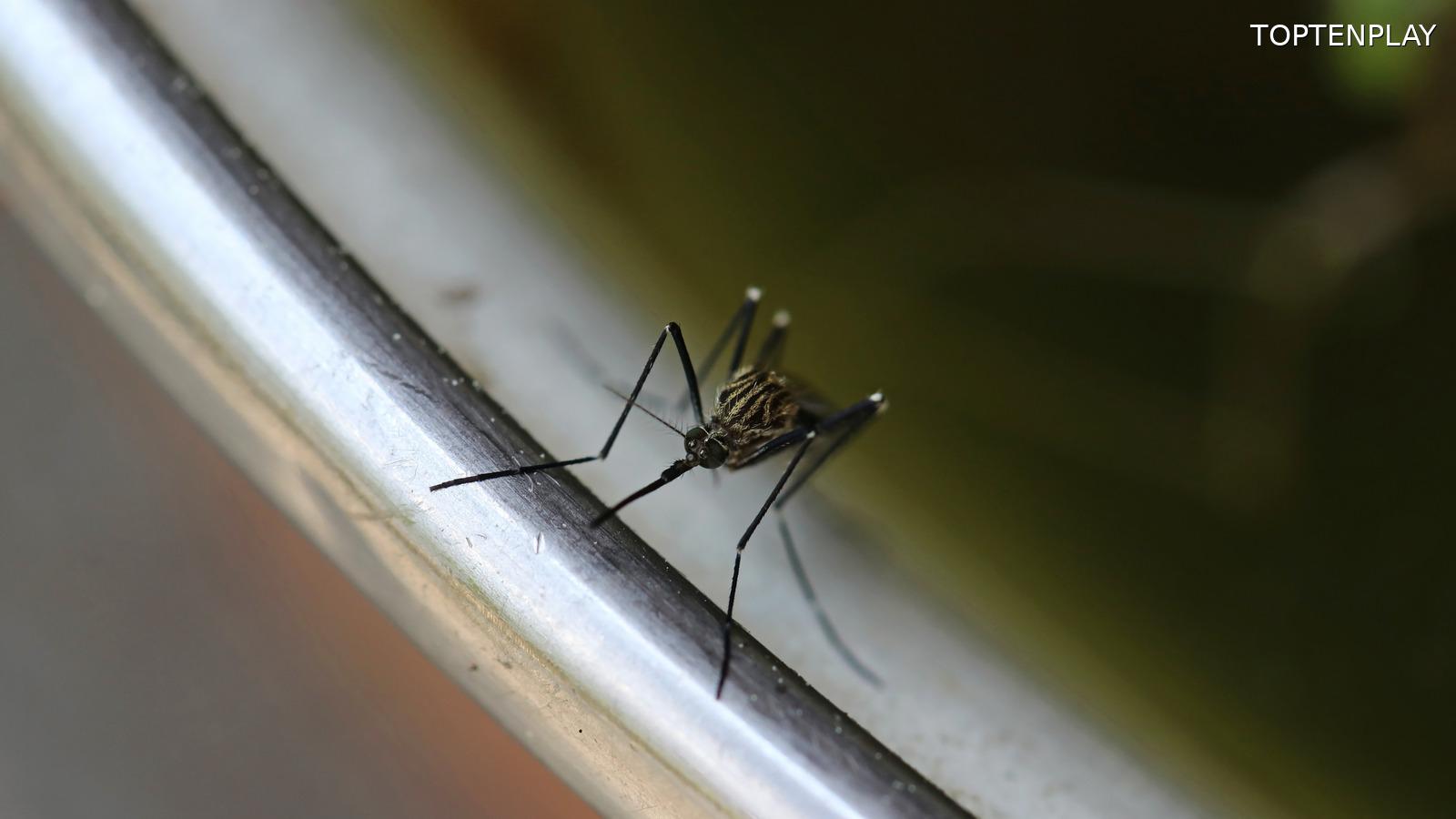
Image d’illustration © TopTenPlay EN
Installation And Practical Considerations
With your gravity-fed device ready for deployment, successful installation depends on strategic positioning and understanding the system’s operational requirements. Your bird bath needs a nearby hanging point – either a sturdy tree branch or a tall shepherd’s hook positioned within comfortable reach for maintenance.
Secure your milk jug using rope or string, ensuring the container hangs at sufficient height to create proper water flow into the bath below. The hole size you created directly determines your drip frequency – smaller punctures produce slower, more controlled water release that maintains just enough surface disturbance to deter mosquitoes without rapidly emptying your container.
This system’s primary limitation centers on manual maintenance requirements. Unlike commercial battery-powered water wigglers or solar fountain attachments, your recycled solution demands regular refilling as the water gradually drains through the bottom hole. Depending on hole size and weather conditions, you might need to replenish the jug daily or every few days.
However, this maintenance requirement comes with significant advantages. The inexpensive design costs practically nothing compared to purchasing new commercial alternatives, which can range from $20 to $100 for motorized options. You’re also recycling a household item that would otherwise enter the waste stream, creating an environmentally responsible solution that reduces both pest problems and landfill contributions.
The system operates continuously during daylight hours when mosquitoes are most active, providing consistent protection for both your feathered visitors and your outdoor enjoyment without ongoing energy costs or complex installation procedures.