Image d’illustration © TopTenPlay EN
The Natural Solution To Mosquito Problems In Your Garden
Nothing destroys an evening outdoors quite like the persistent buzz of mosquitoes. These blood-thirsty insects not only leave behind itchy, irritating welts, but also pose serious health risks as known disease vectors. Traditional bug sprays may offer temporary relief, yet they come with a significant downside: harsh chemicals that raise environmental and health concerns for families and pets.
The solution lies in understanding mosquito behavior. These persistent pests rely heavily on their sophisticated olfactory system to hunt their next meal. Using specialized receptors located on their antennas and around their mouths, mosquitoes can detect and track humans and animals with remarkable precision. This same sensory system, however, becomes their weakness when confronted with certain natural aromas.
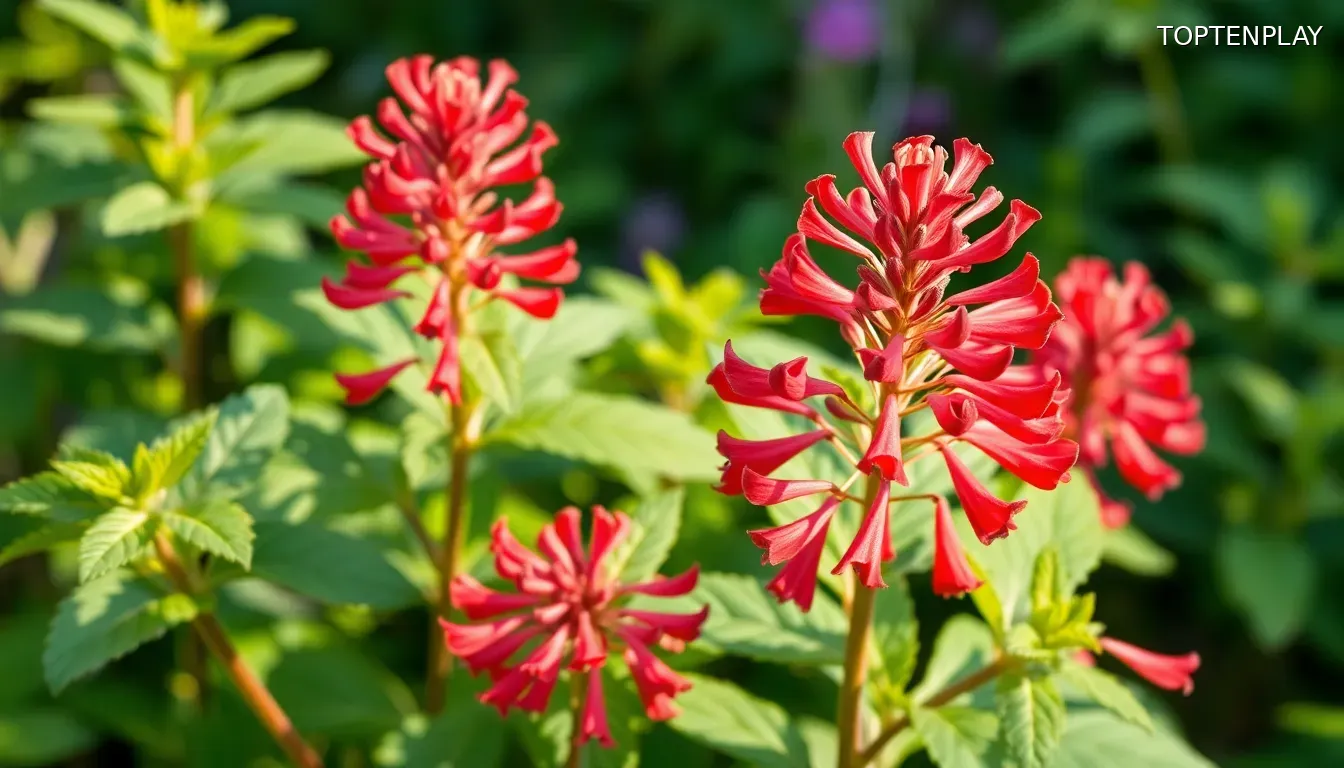
Enter bee balm (Monarda didyma), a powerhouse herb that transforms this biological vulnerability into your garden’s greatest asset. This aromatic flowering perennial doesn’t just repel mosquitoes—it creates a multi-functional garden ecosystem. While deterring unwanted pests, bee balm simultaneously attracts beneficial pollinators, resists deer and rabbit damage, and adds vibrant color to landscape designs.
Beyond its protective qualities, bee balm offers culinary versatility. Both its blooms and leaves are edible, while the delicate petals create a fragrant herbal tea. This remarkable plant proves that effective mosquito control doesn’t require compromising on aesthetics, functionality, or environmental responsibility.
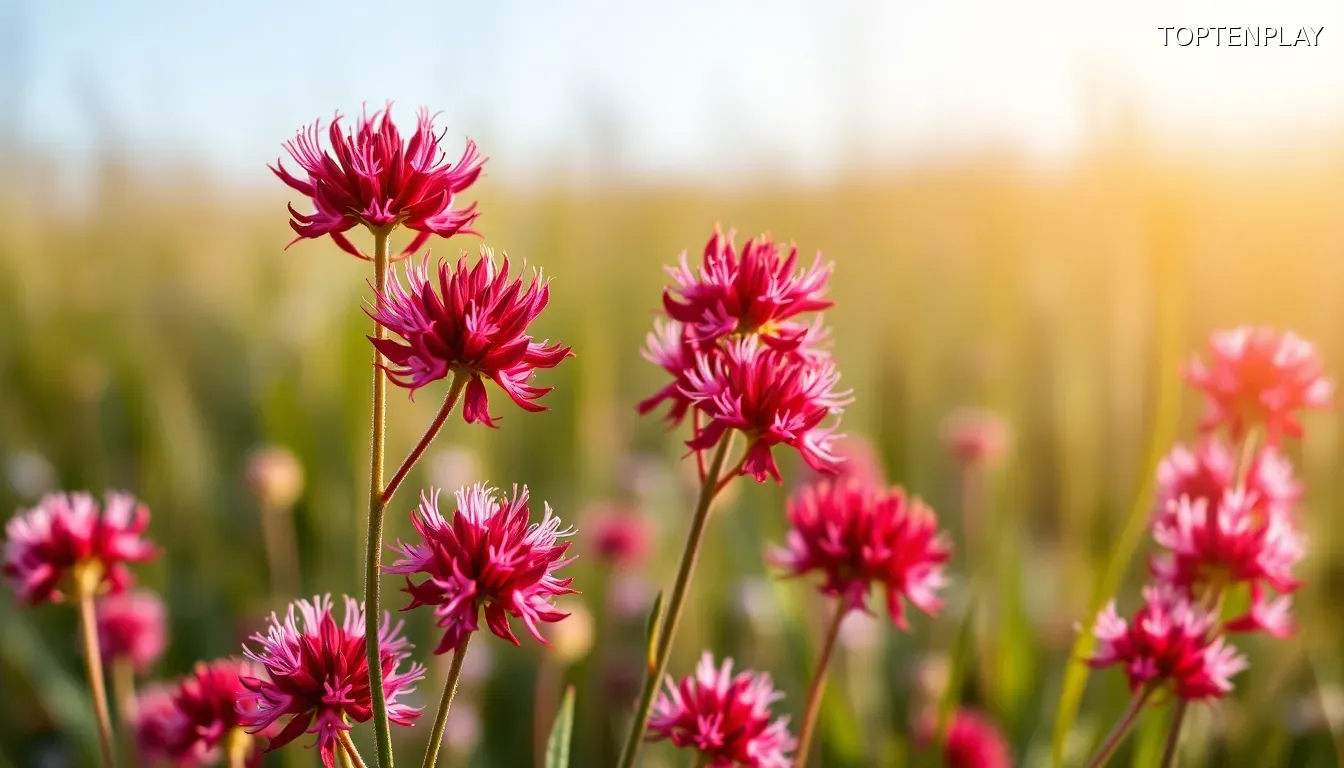
Image d’illustration © TopTenPlay EN
Bee Balm: A Multi-Purpose Garden Hero
This remarkable plant boasts an impressive botanical pedigree that extends far beyond mosquito control. Native to North America, bee balm encompasses more than a dozen distinct varieties scattered across the continent, each adapted to specific regional conditions while maintaining the signature aromatic properties that make them so effective against mosquitoes.
Thriving in USDA Hardiness Zones 3 through 9, bee balm demonstrates exceptional adaptability to diverse climates and growing conditions. These robust perennials reach impressive heights of 3 to 5 feet, creating dramatic vertical interest in garden designs. Their crowning glory arrives during the peak growing season—June and July—when clusters of vibrant flowers burst forth in striking displays.
The blooms themselves tell a story of natural diversity. While classic red and pink varieties dominate most gardens, discerning gardeners can select from elegant white specimens or eye-catching purple cultivars. These Monarda didyma flowers aren’t merely decorative; they serve as beacon calls for beneficial pollinators including bees, butterflies, and hummingbirds.
Wild bee balm’s natural habitat provides crucial clues for successful cultivation. Originally found dotting meadows and marshes across North America, these plants have evolved to thrive in moisture-rich environments. This evolutionary adaptation makes them perfect candidates for rain gardens and areas where other ornamental plants struggle with wet conditions.
The plant’s spreading nature ensures expanding protection zones year after year, creating an increasingly effective mosquito barrier while supporting local ecosystems through pollinator attraction.
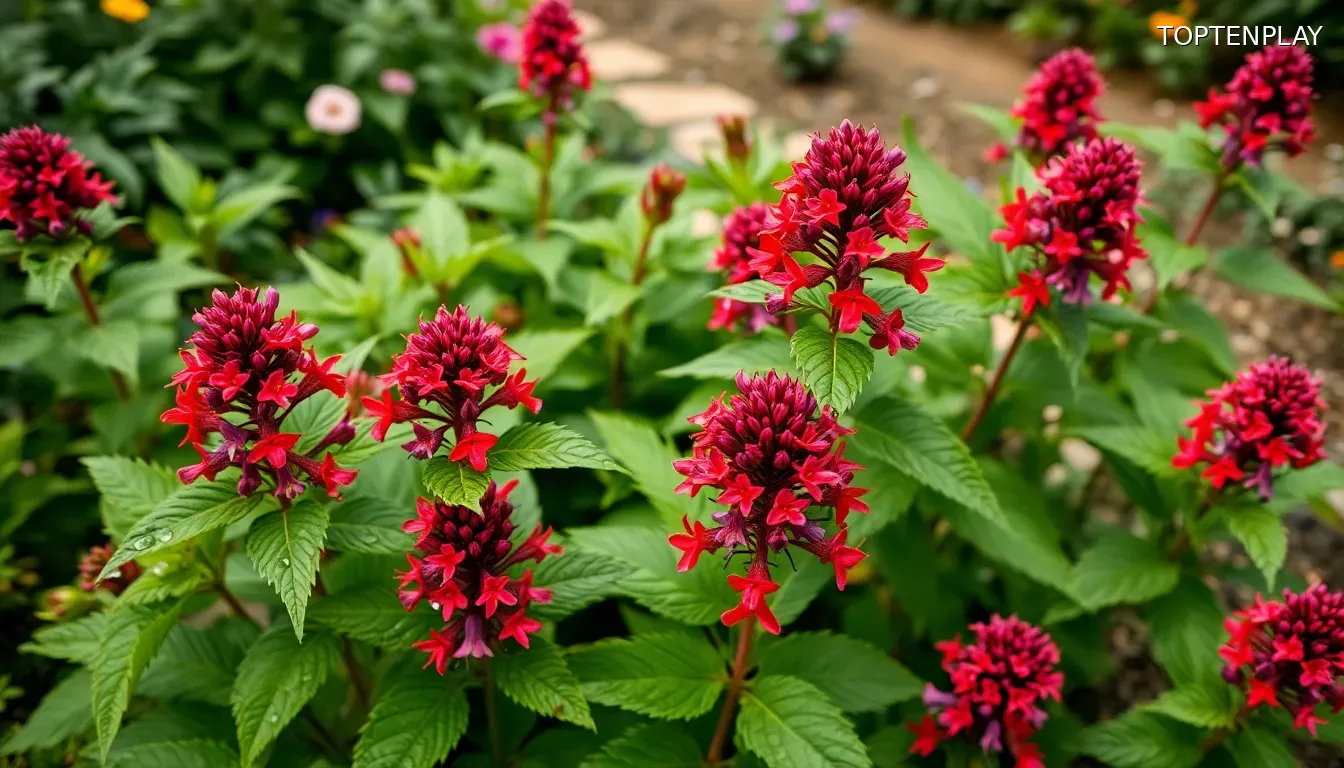
Image d’illustration © TopTenPlay EN
Cultivation Secrets For Maximum Mosquito Protection
Understanding this spreading behavior becomes essential for maximizing bee balm’s protective potential while avoiding common cultivation pitfalls. Successful placement starts with soil conditions—these plants demand the moisture-rich environments that mirror their native meadow and marsh habitats. Rain gardens represent ideal locations, where bee balm transforms problematic wet spots into functional mosquito-deterrent zones.
The plant’s aggressive spreading tendency, while beneficial for expanding protection coverage, requires strategic management to prevent overcrowding. Dense plantings create the perfect conditions for powdery mildew, bee balm’s primary weakness. Savvy gardeners maintain adequate spacing between plants, allowing air circulation that naturally prevents this fungal issue while preserving the aromatic oils essential for mosquito repulsion.
Maintenance requirements remain refreshingly minimal. During normal growing seasons, established bee balm requires virtually no intervention. Drought conditions represent the sole exception—supplemental watering becomes crucial when soil moisture drops significantly. Mulching around plants serves dual purposes: retaining essential moisture while suppressing competing weeds.
Deadheading spent blooms extends flowering periods and redirects plant energy toward robust growth. However, fertilization proves largely unnecessary; bee balm’s hardy nature thrives in average garden soils without chemical supplements.
Strategic placement considerations extend beyond soil preferences. Positioning bee balm near outdoor seating areas, walkways, and entry points maximizes human exposure to its protective aromatics while creating natural barriers between mosquito breeding areas and frequently used spaces.

Image d’illustration © TopTenPlay EN
The Science Behind Bee Balm’s Mosquito-Repelling Power
These protective aromatics work through sophisticated biochemical mechanisms that scientists have only recently begun to understand. Bee balm’s distinctive minty-citrusy fragrance operates as a potent natural deterrent without requiring leaf crushing—a significant advantage over many conventional repellent plants. The volatile compounds release continuously into surrounding air, creating invisible protective barriers that mosquitoes actively avoid.
Recent studies reveal essential oil effectiveness that matches or exceeds DEET performance levels. Research demonstrates these plant-based compounds disrupt mosquito olfactory receptors, essentially overwhelming their hunting systems. Unlike synthetic alternatives, bee balm’s natural oils present minimal health risks when applied directly to skin, provided users test for allergic reactions first.
The plant’s common nickname “horsemint” reflects its powerful aromatic profile. This intensity proves crucial—mosquitoes detect bee balm’s scent from considerable distances, triggering avoidance behaviors before they approach protected areas. Crushing leaves releases concentrated oils for topical application, though simply growing the plant nearby provides substantial protection.
Optimization strategies amplify bee balm’s natural effectiveness. Eliminating standing water from garden containers and low-lying yard areas removes mosquito breeding sites, while strategic fan placement creates air circulation that mosquitoes despise. These environmental modifications work synergistically with bee balm’s aromatic properties.
Understanding mosquito behavior patterns—their preference for still air and dependence on scent detection—reveals why combining bee balm with habitat modifications produces superior results compared to relying on single-solution approaches.