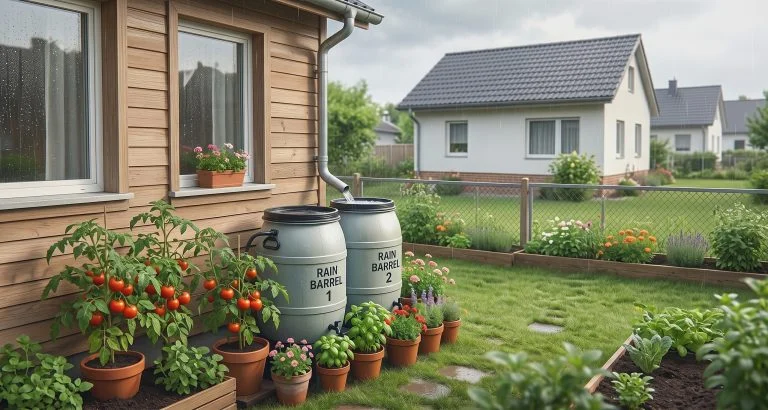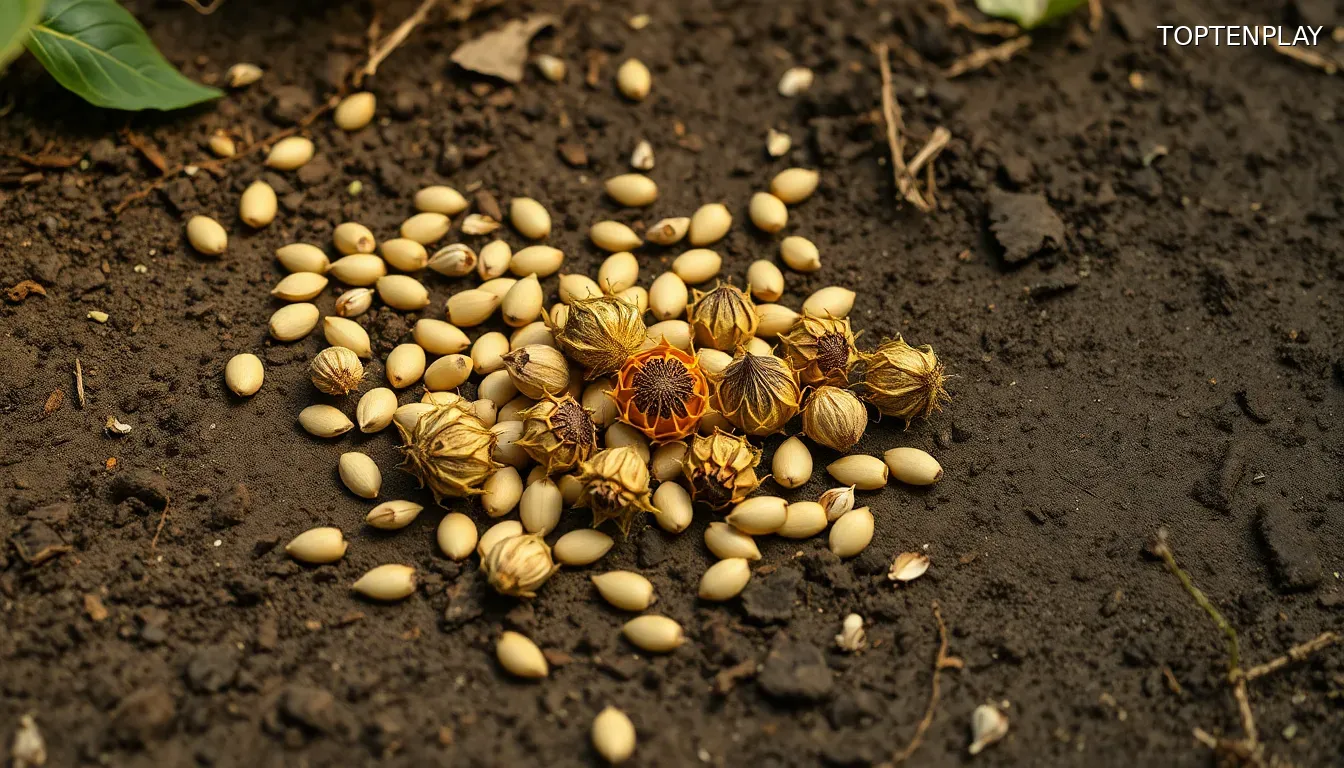
Image d’illustration © TopTenPlay EN
Why These Garden Favorites Are Squirrel Magnets
Behind every squirrel raid lies a calculated strategy that gardeners consistently underestimate. These seemingly innocent creatures possess remarkable memory capabilities that transform your carefully planned garden into their personal pantry. Much like how they remember where they bury nuts, squirrels create detailed mental maps of reliable food sources, returning repeatedly and often bringing companions to share their discoveries.
The selection process isn’t random. Squirrels demonstrate clear preferences for plants that deliver maximum nutritional value with minimal effort. They gravitate toward species producing nuts, seeds, and tender stems, while showing particular attraction to fruits and vegetables with softer skins that require less energy to penetrate. This behavioral pattern explains why certain garden staples consistently fall victim to repeated attacks.
The damage extends far beyond simple consumption. Squirrels actively dig up freshly planted bulbs, treating them like buried treasure due to their resemblance to nuts. They’ll systematically destroy entire crops by taking single bites from multiple fruits, leaving behind rotted produce that attracts additional pests and compromises the entire harvest.
Once a reliable food source is established, the problem compounds exponentially. Successful foraging sites become community gathering points, with satisfied squirrels communicating their finds to others through scent markers and behavioral cues. This creates a cascade effect where a single vulnerable plant can transform your entire garden into a squirrel highway, with successive waves of visitors arriving to capitalize on the discovered bounty.
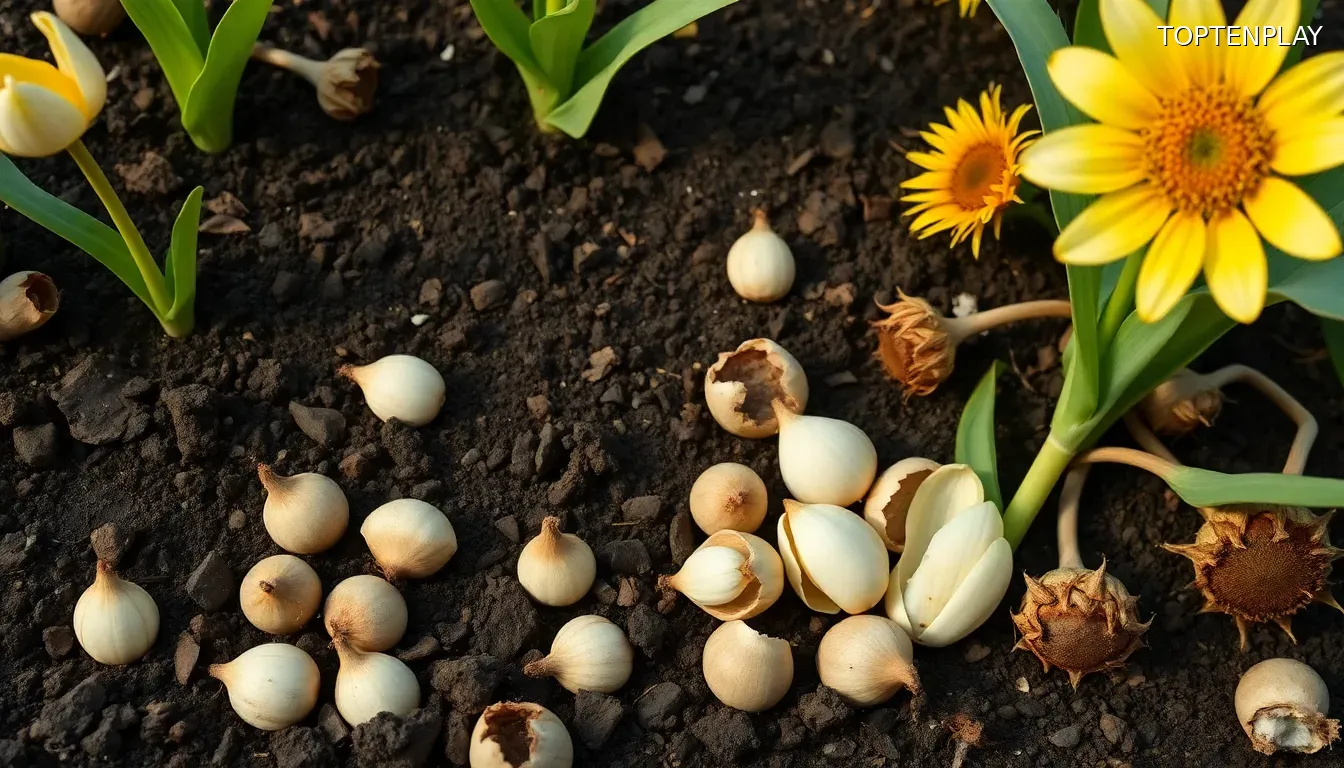
Image d’illustration © TopTenPlay EN
High-Risk Flowering Plants That Attract Unwanted Visitors
Among the most vulnerable targets in this squirrel invasion, ornamental plants present particularly devastating scenarios that catch gardeners off guard. The damage patterns reveal why certain flowering species become virtual magnets for these persistent raiders.
Sunflowers emerge as perhaps the most problematic choice, functioning essentially as neon “Eat Here” signs visible from considerable distances. Their seeds contain the precise combination of fats and proteins that squirrels desperately crave, especially during autumn when winter preparation instincts peak. The appeal extends beyond mature seed heads – squirrels systematically dig up freshly planted sunflower seeds before germination even occurs, eliminating entire crops before they establish.
The destruction methodology proves particularly frustrating. Rather than consuming individual plants completely, squirrels climb stalks to access developing seed heads, often toppling mature specimens in the process. They leave behind half-chewed remnants that attract additional wildlife, creating cascading problems that extend far beyond the original damage.
Tulips face similar systematic destruction across multiple growth phases. Freshly planted bulbs become immediate targets due to their striking resemblance to nuts, triggering the same digging behaviors squirrels employ for cached acorns. Those bulbs fortunate enough to survive initial planting face renewed attacks as stems emerge, with squirrels severing growth at ground level precisely when flower buds begin forming.
This targeted destruction of ornamental species creates aesthetic disasters that compromise entire landscape designs, transforming carefully planned displays into scattered remnants of broken stems and excavated soil.
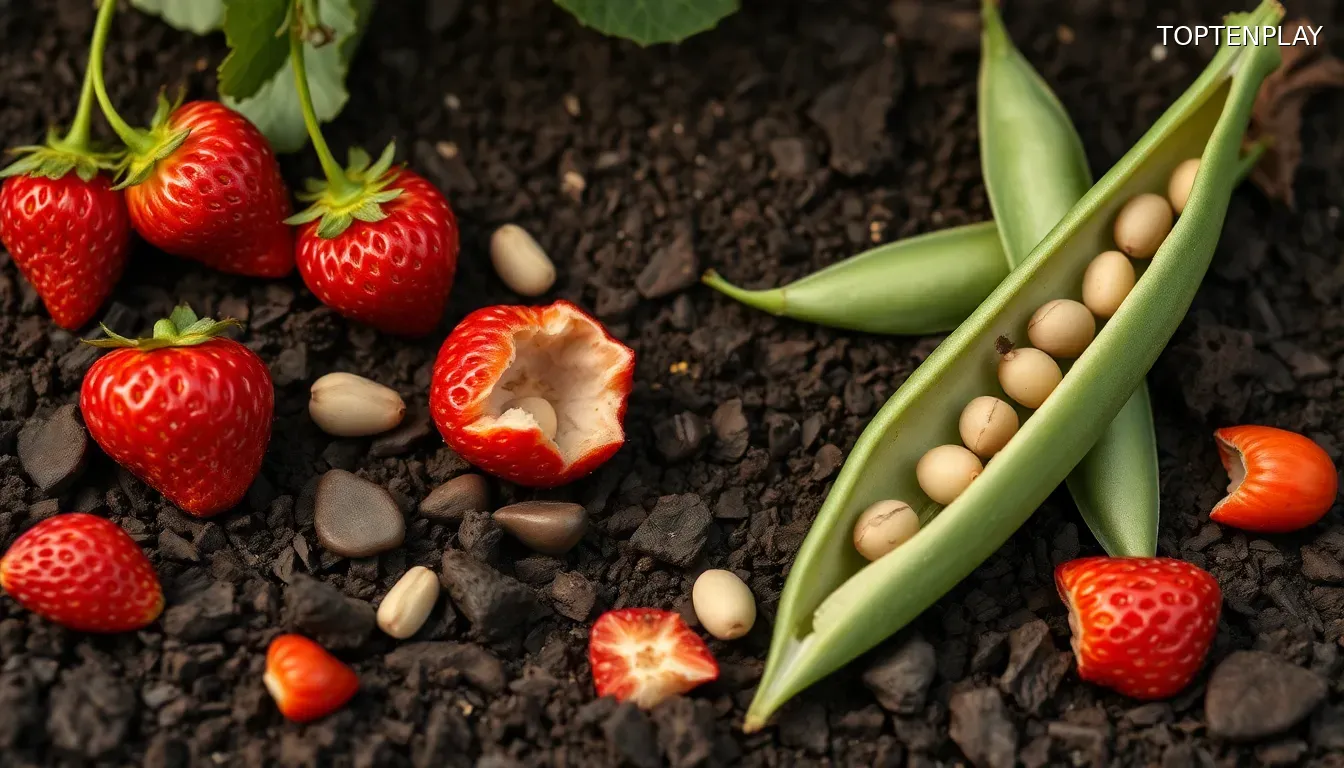
Image d’illustration © TopTenPlay EN
Vegetable Garden Disasters: From Seed To Harvest
While ornamental destruction creates visual disappointment, vegetable garden attacks translate directly into economic losses that compound throughout entire growing seasons. The systematic damage patterns reveal how squirrels transform productive gardens into wasteland through methodical destruction across all growth phases.
Strawberries exemplify the most maddening squirrel behavior – the devastating “single bite” attack strategy. Rather than consuming complete berries, squirrels sample multiple fruits with individual nibbles, ruining entire crops while satisfying minimal nutritional needs. This wasteful approach leaves rotted produce scattered throughout beds, creating secondary pest problems as decomposing fruit attracts insects and other unwanted wildlife.
Corn presents squirrels with extended feeding opportunities from initial planting through final harvest. They systematically dig up freshly sown seeds, preventing germination entirely. Surviving plants face continued assault as squirrels balance precariously on stalks or leap from nearby trees to access developing ears, peeling back husks to devour kernels with remarkable efficiency.
Peas suffer triple-phase destruction that eliminates entire harvests. Squirrels attack planted seeds before sprouting, chew emerging stems during establishment, and finally scale support structures to raid developing pods. The damage extends beyond consumed peas as squirrels frequently pull down entire vine systems while pursuing their meals.
Beans face similar comprehensive destruction throughout their complete growing cycle. These protein-rich legumes attract squirrels from seed stage through mature pod development, with pole varieties proving particularly vulnerable due to their accessible vertical growth patterns. Even heavy-producing plants can be completely stripped within days once discovered.
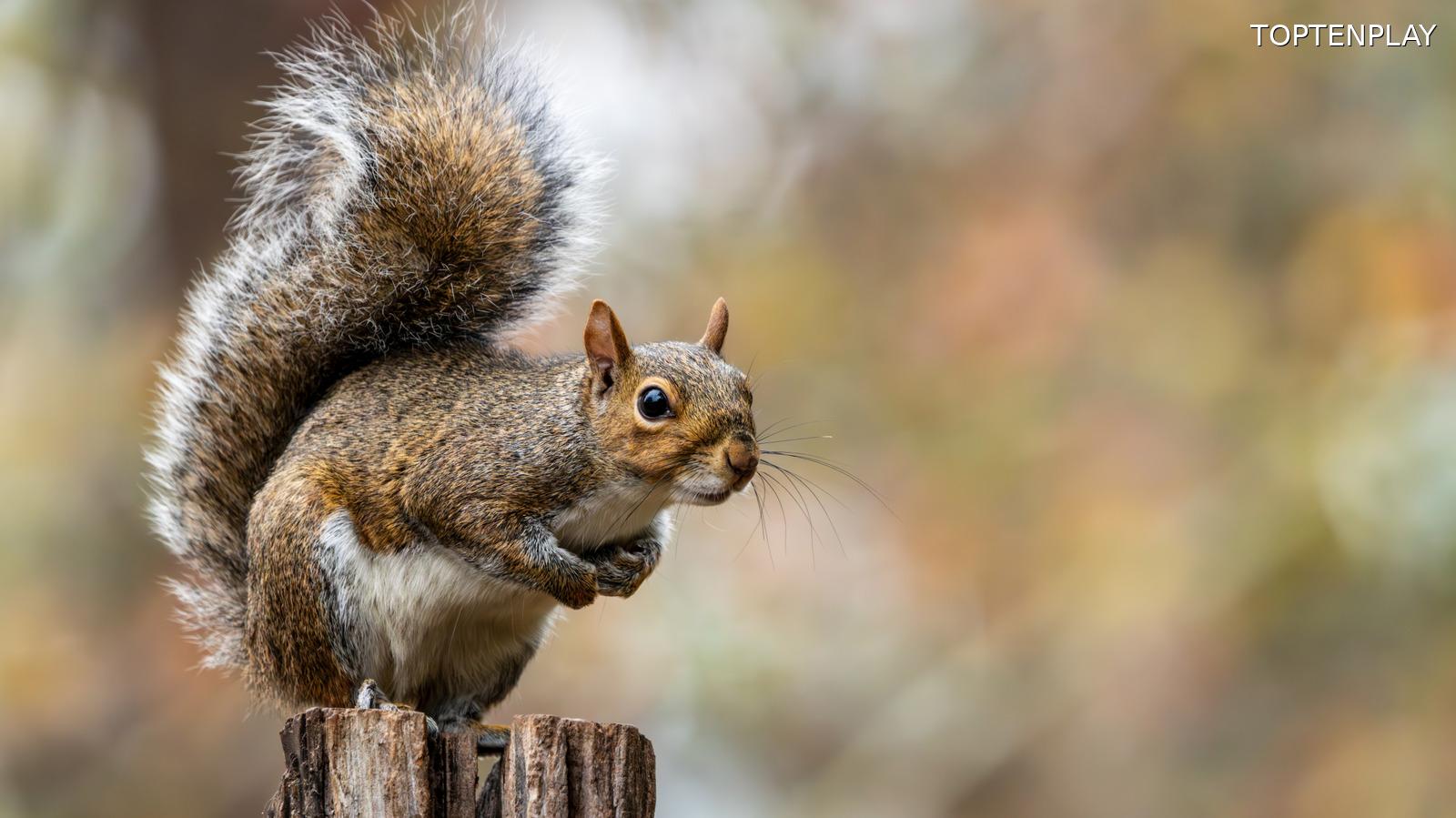
Image d’illustration © TopTenPlay EN
The Tomato And Pumpkin Problem: Small Bites, Big Damage
While beans disappear through systematic stripping, tomatoes and pumpkins suffer from an even more economically devastating attack pattern that maximizes waste while minimizing actual consumption. This targeted destruction represents the most financially painful squirrel behavior for home gardeners.
Tomatoes exemplify squirrel wastefulness at its most infuriating peak. Rather than consuming individual fruits completely, squirrels methodically sample multiple tomatoes with single exploratory bites, transforming productive plants into rotting disaster zones. This sampling behavior accelerates once ripening begins, with squirrels returning daily to test new fruits while abandoning previously damaged ones to decay.
The economic impact compounds rapidly as entire harvests become unusable despite minimal actual consumption. A single squirrel can ruin dozens of tomatoes in mere days, leaving gardeners with nothing but composting material where prize crops once flourished.
Pumpkins and winter squash face equally systematic destruction from seed planting through mature fruit development. Squirrels persistently gnaw small access holes throughout developing fruits, introducing rot that spreads internally while external damage remains deceptively minimal. Even giant pumpkins prove vulnerable as determined squirrels methodically chew through thick rinds to access protein-rich seeds within.
Unlike larger predators that consume substantial portions, squirrels create strategic entry points that compromise entire fruits while satisfying minimal nutritional requirements. This efficiency-focused approach transforms promising harvests into complete losses, making pumpkins and tomatoes among the most economically dangerous plants for squirrel-prone gardens.