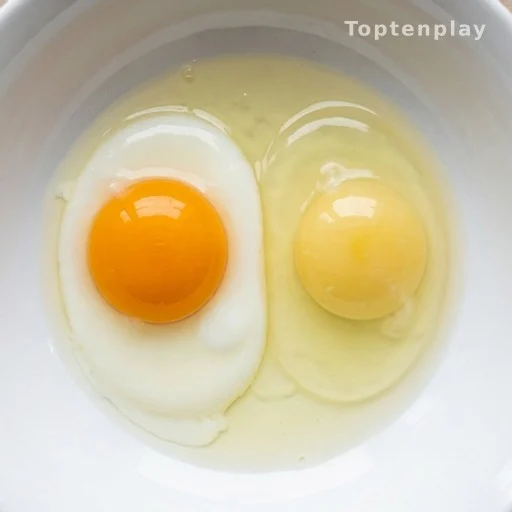
The color of the yolk is a visible indicator of antioxidant content. A very fresh egg yolk is a deep, vibrant orange — that pigment comes from lutein and zeaxanthin, two carotenoids associated with cellular defense against oxidative stress. As the egg sits, the yolk pales and those antioxidant levels measurably drop.
The egg white tells its own story. In a fresh egg, the white is thick and viscous, clinging tightly around the yolk. Over time, the protein structure breaks down and the white becomes watery. That change is not merely cosmetic: it signals a reduction in the quality of the amino acids available to the body — the same amino acids used to repair tissue and maintain the structural integrity of blood vessels.
A heart-healthy alternative: avocado deviled eggs as a practical use for fresh cartons
Once you have selected the freshest carton using the Julian date, the preparation method matters almost as much as the egg itself. Classic deviled eggs rely on mayonnaise as the base for the filling. Mayonnaise, depending on the variety, can be high in refined oils associated with inflammatory responses in the body.
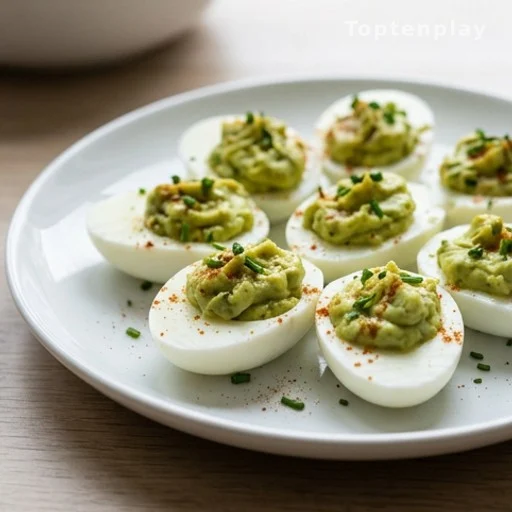
A straightforward swap replaces mayonnaise with ripe avocado. Avocados are dense in monounsaturated fats — the same category of fat found in olive oil — which nutritional research associates with supporting cardiovascular health and helping to keep blood vessels flexible. The result is a filling that is still creamy and rich, but built on a different nutritional foundation.
The recipe requires only three ingredients: hard-boiled eggs (selected using the Julian date method above), ripe avocado, and a seasoning of your choice. The simplicity is deliberate — fewer processed additions means the nutritional value of both the egg and the avocado remains as intact as possible.
For consumers who want to act on this information, the immediate next step is straightforward: check the Julian date on the next carton before reaching for the one with the most prominent calendar date on the lid. The broader question nutritional researchers continue to investigate is how much the specific conditions of storage — refrigerator temperature, humidity, door versus shelf placement — accelerate or slow the antioxidant and protein degradation documented here. Guidance from food safety authorities on optimal home storage temperatures for eggs remains the reference point while that research develops.
Suggested Posts

Two Identical Officers, One Hidden Difference: Can You Find It?
At first glance, the two police officers in this image look completely identical — same deep blue uniforms, same black sunglasses, same utility belts,…