The unintended consequence is that a backyard sugar station, meant to support pollinators, can instead become a staging ground for the insects most likely to harm them. For gardeners hoping to encourage native bee diversity, this dynamic works directly against the goal.
What actually helps: flowers, water, and letting bees forage
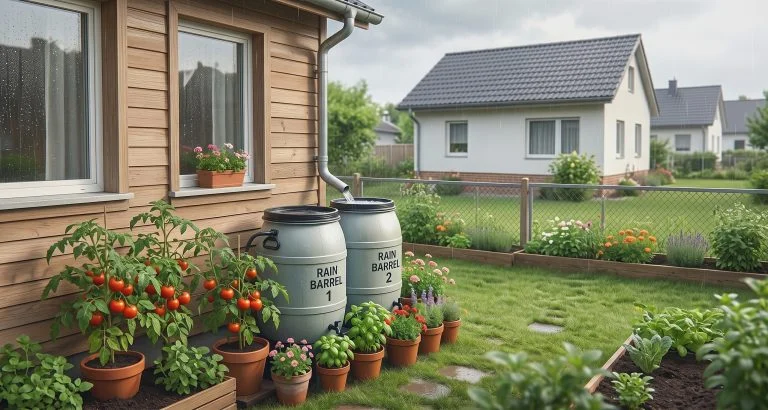
The most effective way to support pollinators requires no spoon and no sugar. Bee experts consistently point to the same solution: plant diverse, native flowering species that provide genuine nectar and pollen across different seasons. A garden with staggered bloom times offers continuous, nutritionally complete food without any of the risks of artificial feeding.
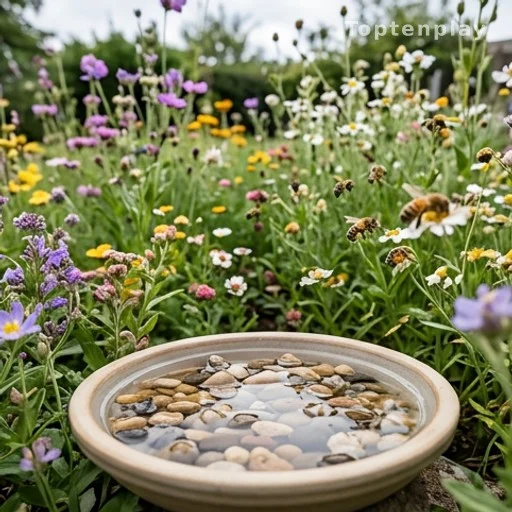
Clean, shallow water sources — a dish with pebbles so bees can land safely — address hydration needs without the disease and pest risks of sugar water. Reducing or eliminating pesticide use in the garden, particularly systemic insecticides, removes one of the most significant pressures on local bee populations.
Healthy bees are foraging bees. Entomologists emphasize that a bee visiting flowers is doing exactly what it should be doing, and that artificial feeding can actually reduce that behavior — meaning fewer flowers pollinated in the very garden the bee-lover is trying to protect. The most supportive intervention is one that makes the natural environment richer, not one that substitutes for it.
The question of whether sugar water should ever be used in a genuine emergency — a bee that is clearly dying and has no flower within reach — remains a narrower debate among experts, and one the source material only begins to open. What is already clear is that the routine, habitual practice promoted on social media warrants a rethink. For gardeners wanting to go further, local beekeeping associations and pollinator conservation groups offer planting guides tailored to specific regions — a more durable investment than any spoonful.
Suggested Posts
Two Identical Officers, One Hidden Difference: Can You Find It?
At first glance, the two police officers in this image look completely identical — same deep blue uniforms, same black sunglasses, same utility belts,…