Image d’illustration © TopTenPlay EN
The Extraordinary Discovery: From Red To Pink
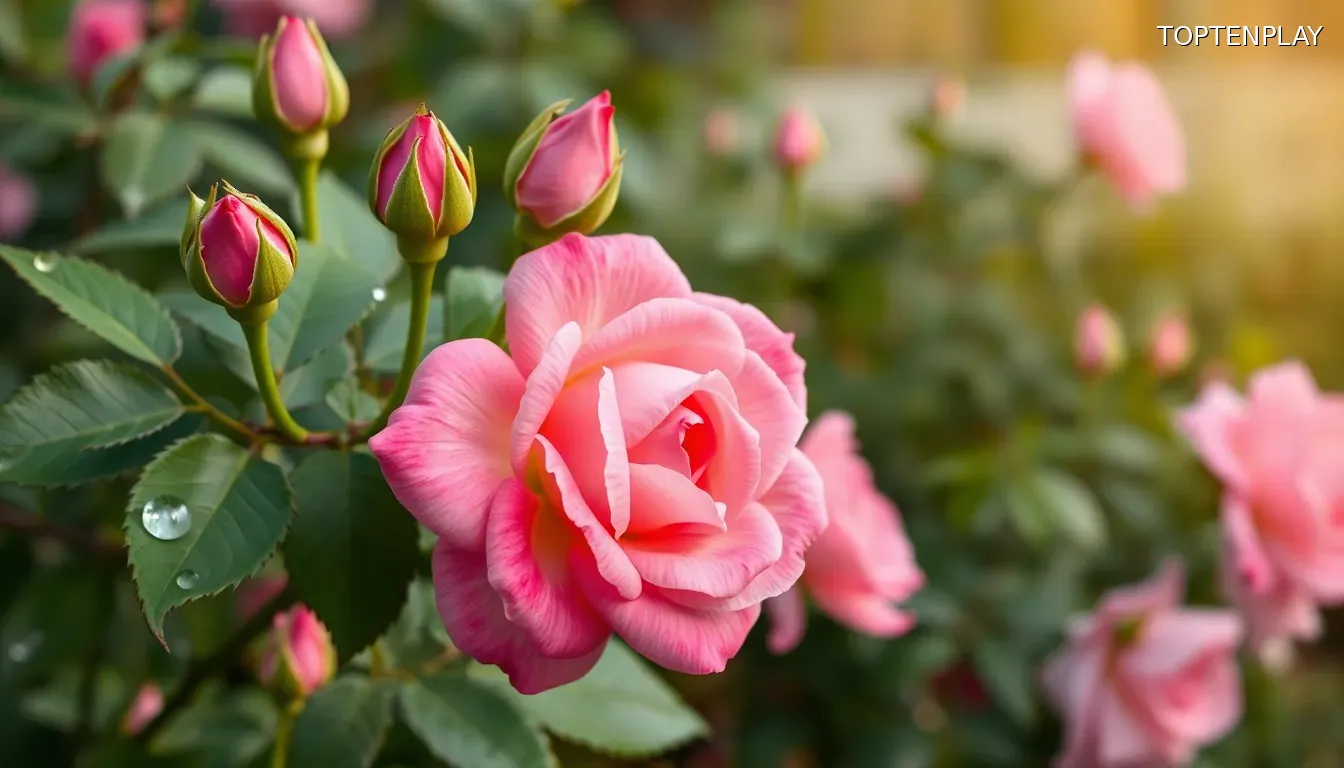
In the meticulous world of celebrity gardening, few discoveries rival the serendipitous moment when Barbra Streisand and her seasoned gardener, Dan Bifano, encountered an anomaly that would redefine horticultural history. Among the predictable deep red blooms of a ‘Lasting Love’ rose bush, a single flower emerged in an unexpected bubble-gum pink—a color so startling it demanded immediate attention.
This wasn’t merely a gardening curiosity. What Streisand and Bifano had witnessed was a sport, one of nature’s rarest phenomena where genetic mutations spontaneously alter a plant’s fundamental characteristics. Rose sports occur when cellular DNA undergoes natural modifications, triggered by environmental stresses or spontaneous genetic shifts that can permanently change flower color, form, or both.
The significance wasn’t lost on Bifano, whose expertise immediately recognized the mutation’s commercial and botanical potential. Unlike temporary color variations that fade with seasons, this genetic alteration had fundamentally rewired the plant’s DNA blueprint. The challenge lay in preserving these exact traits through careful propagation—a delicate process requiring each new cutting to carry the precise genetic code of the original bloom.
What began as a routine garden inspection had uncovered a genetic treasure. The bubble-gum pink sport represented not just aesthetic beauty, but a genuine scientific advancement in rose breeding. For Streisand, known for maintaining hundreds of rose shrubs with passionate dedication, this discovery would soon evolve into something deeply personal—a living legacy bearing her name.
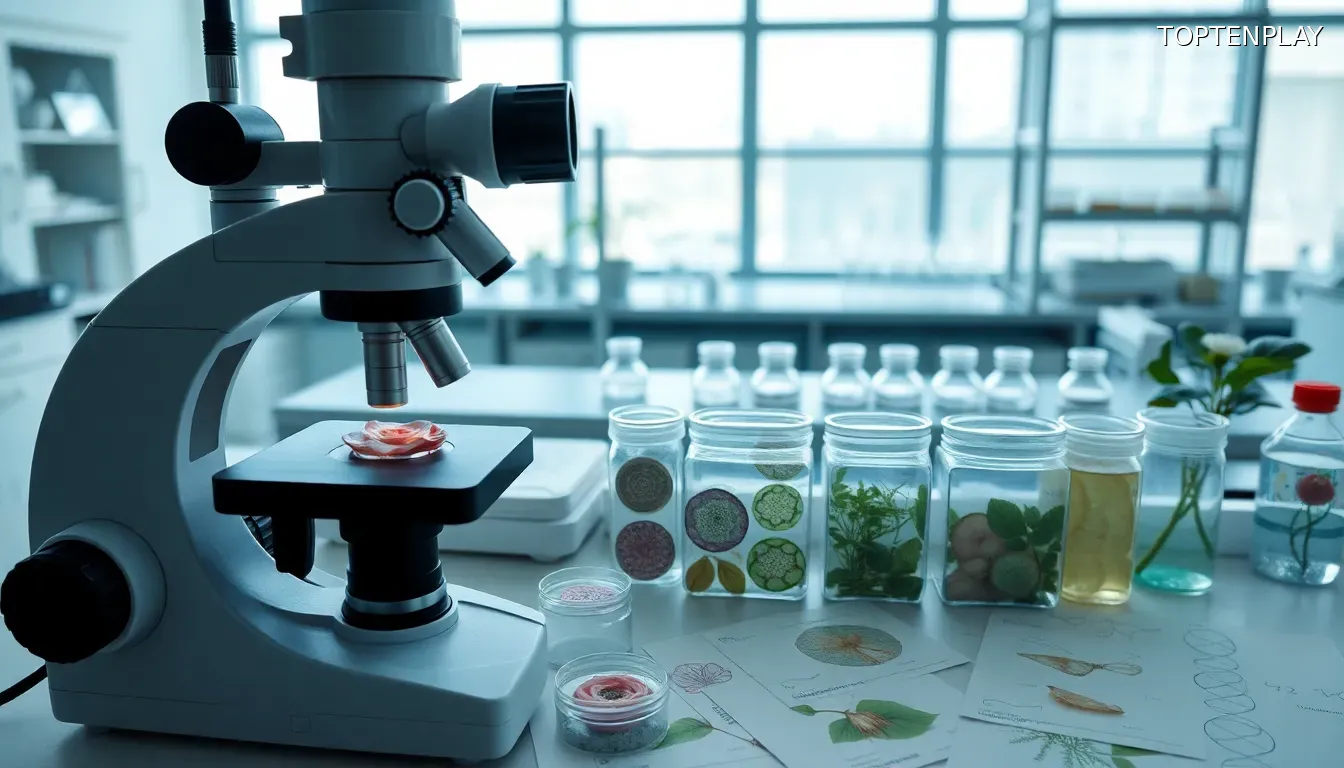
Image d’illustration © TopTenPlay EN
The Science Behind The Sport: Understanding Rose Mutations
The genetic treasure Streisand discovered operates through complex cellular mechanisms that botanists have studied for decades. Rose sports emerge when DNA undergoes spontaneous mutations, often triggered by environmental stresses such as temperature fluctuations, drought conditions, or cellular damage from UV exposure. These genetic alterations occur at the chromosomal level, permanently rewriting the plant’s blueprint for flower production.
Unlike hybrid breeding that combines traits from different parent plants, sports represent pure genetic accidents—nature’s own laboratory experiments. The cellular changes can affect pigment production, altering anthocyanin and carotenoid levels that determine flower color. In ‘Lasting Love’s’ transformation, the mutation likely disrupted red pigment synthesis while enhancing pink expression, creating the distinctive bubble-gum hue.
The propagation process Bifano employed required meticulous precision. Each cutting must originate from the mutated branch to preserve the exact genetic code responsible for the color change. Traditional grafting or tissue culture techniques ensure every new plant carries identical chromosomal alterations. Without this careful preservation, subsequent generations could revert to the original red coloration.
Rose sports occur in fewer than one percent of cultivated roses, making Streisand’s discovery exceptionally rare. The mutation’s stability—its ability to consistently produce pink blooms rather than reverting—indicated strong genetic integrity. This reliability, combined with the sport’s maintained fragrance and disease resistance, positioned the discovery as commercially viable.
Horticultural science had delivered something extraordinary: a genetically unique rose born from pure chance, now ready for systematic cultivation and global distribution.
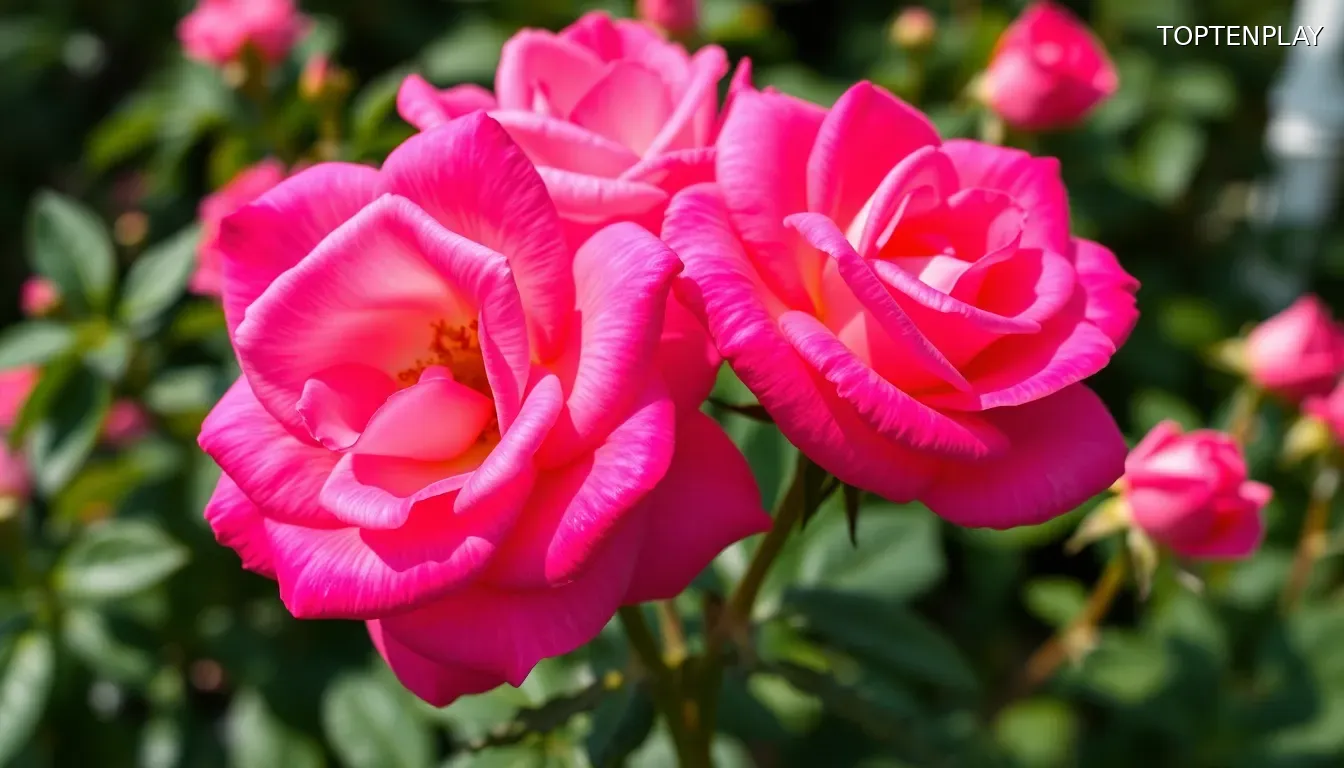
Image d’illustration © TopTenPlay EN
A Personal Legacy: Naming And Characteristics Of ‘Barbra’s Baby’
Beyond the scientific achievement lay a deeply personal moment for Streisand, whose extensive rose collection spans hundreds of carefully tended shrubs across her property. When confronted with this unique pink bloom, the naming process felt profoundly intimate—a reflection of her decades-long passion for horticulture and her artistic identity.
‘Barbra’s Baby’ emerged as the perfect designation, capturing both the nurturing relationship between gardener and plant, and the unexpected joy of discovering something entirely new. The name reflects Streisand’s hands-on approach to gardening, where each rose receives individual attention and care. Her established reputation as a dedicated rose enthusiast made this discovery particularly meaningful within her horticultural journey.
The rose’s characteristics mirror Streisand’s own artistic qualities: vibrant presence, lasting impact, and refined elegance. The bright bubble-gum pink petals deliver exceptional visual appeal while maintaining the strong fragrance that distinguishes quality roses. Crucially, the sport retained robust disease resistance—a practical necessity for serious gardeners seeking long-term garden success.
This combination of striking color, powerful scent, and hardy constitution creates a rose that stands as more than decoration. ‘Barbra’s Baby’ represents a living tribute to artistic legacy, embodying the same grace and enduring charm that define Streisand’s career. The rose’s ability to captivate through both beauty and substance mirrors the multifaceted nature of its namesake’s contributions to entertainment and culture.
For gardeners seeking varieties that deliver both visual impact and heavenly fragrance, this discovery offers something truly extraordinary.
Image d’illustration © TopTenPlay EN
Growing Guide And Exclusive Availability
Yet acquiring this extraordinary rose requires both patience and vigilance. ‘Barbra’s Baby’ presents specific cultivation requirements that serious gardeners must understand before pursuing this coveted variety.
The medium-sized shrub reaches approximately 3 feet in both height and spread, creating an ideal focal point for intimate garden spaces. Its 4-5 inch wide blooms excel as cutting flowers, delivering professional-quality arrangements that showcase the distinctive bubble-gum pink petals. The substantial flower size ensures dramatic visual impact whether displayed in gardens or indoor arrangements.
Optimal growth demands well-drained yet consistently moist soil—a balance that prevents both waterlogging and drought stress. Strategic placement alongside plants with glossy green foliage creates the perfect backdrop, intensifying the pink coloration and enhancing overall garden composition. This companion planting technique maximizes the rose’s natural beauty while providing necessary contrast.
The exclusivity factor elevates ‘Barbra’s Baby’ beyond typical garden varieties. Only 2000 plants were released during the initial launch, creating immediate scarcity among rose enthusiasts. These limited specimens sold out rapidly, establishing a secondary market where availability remains unpredictable and highly sought-after.
Prospective growers must monitor specialized rose nurseries and maintain relationships with reputable suppliers to secure future releases. The combination of Streisand’s celebrity association, the sport’s rarity, and proven garden performance ensures continued demand far exceeding supply—making each successful acquisition a genuine horticultural triumph.