Image d’illustration © TopTenPlay EN
The Art Of Hydrangea Multiplication: One Plant, Endless Possibilities
Transform a single hydrangea into a showstopping hedge without purchasing dozens of expensive plants. This gardening revelation centers on layering, a traditional propagation technique that harnesses your plant’s natural root formation abilities to create an entire landscape feature from one strategic investment.
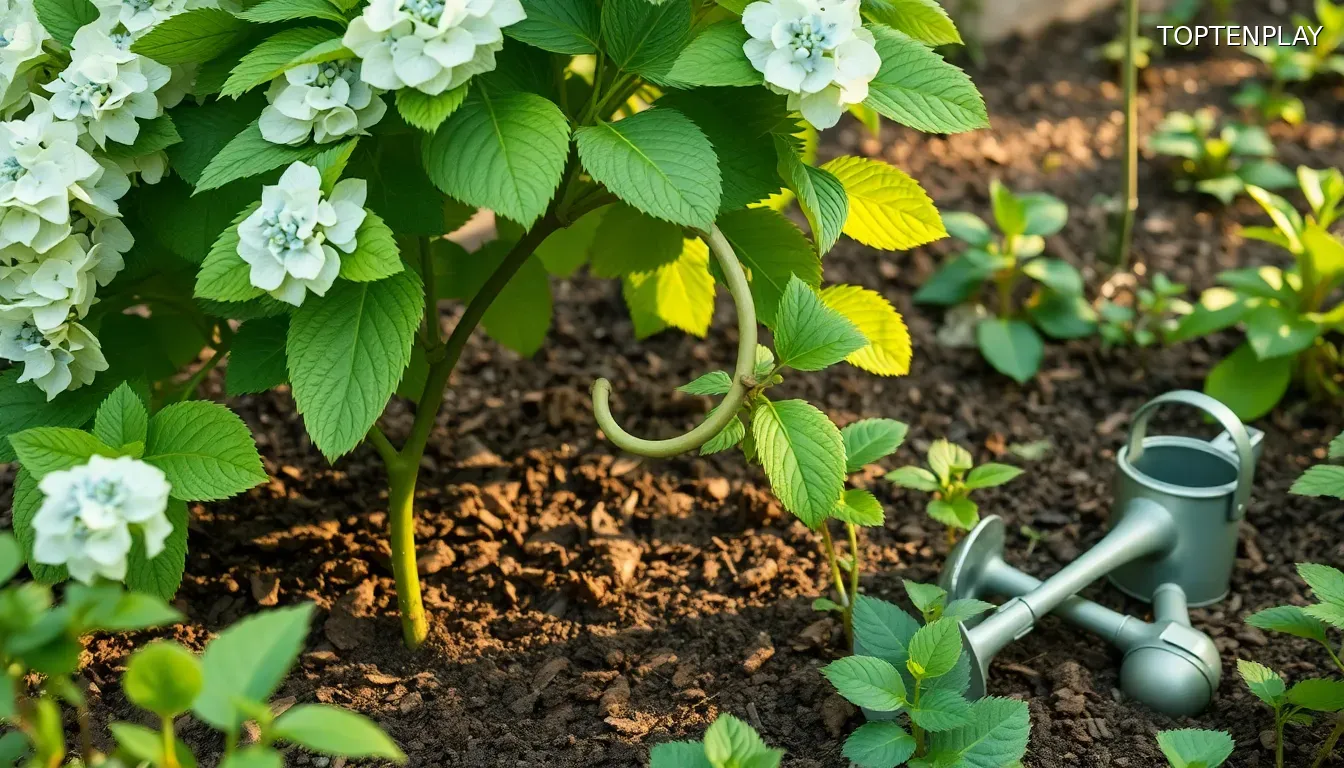
The process exploits a simple biological principle: hydrangeas naturally develop roots along buried stem sections when given the opportunity. By bending a low-growing branch down to ground level and securing it beneath soil, you’re essentially tricking the plant into creating an independent clone of itself. This stress-free method requires no specialized equipment beyond basic gardening tools.
What makes layering particularly brilliant for hydrangeas is its foolproof reliability. Unlike risky cutting propagation that often fails, this technique maintains the new plant’s connection to its established root system until independence is achieved. The mother plant continues providing nutrients and support during the critical rooting phase, virtually guaranteeing success.
The strategic advantage extends beyond mere multiplication. Each layered plant becomes a genetic duplicate of the original, ensuring your hedge maintains uniform appearance in bloom color, size, and growing habits. This consistency proves impossible to achieve when purchasing multiple plants from nurseries, where genetic variations create uneven results.
By repeating this annual process, gardeners gradually establish dense, dramatic borders using the exact variety that already thrives in their specific location and soil conditions. The cost-effectiveness transforms one well-chosen plant into an entire landscape investment.
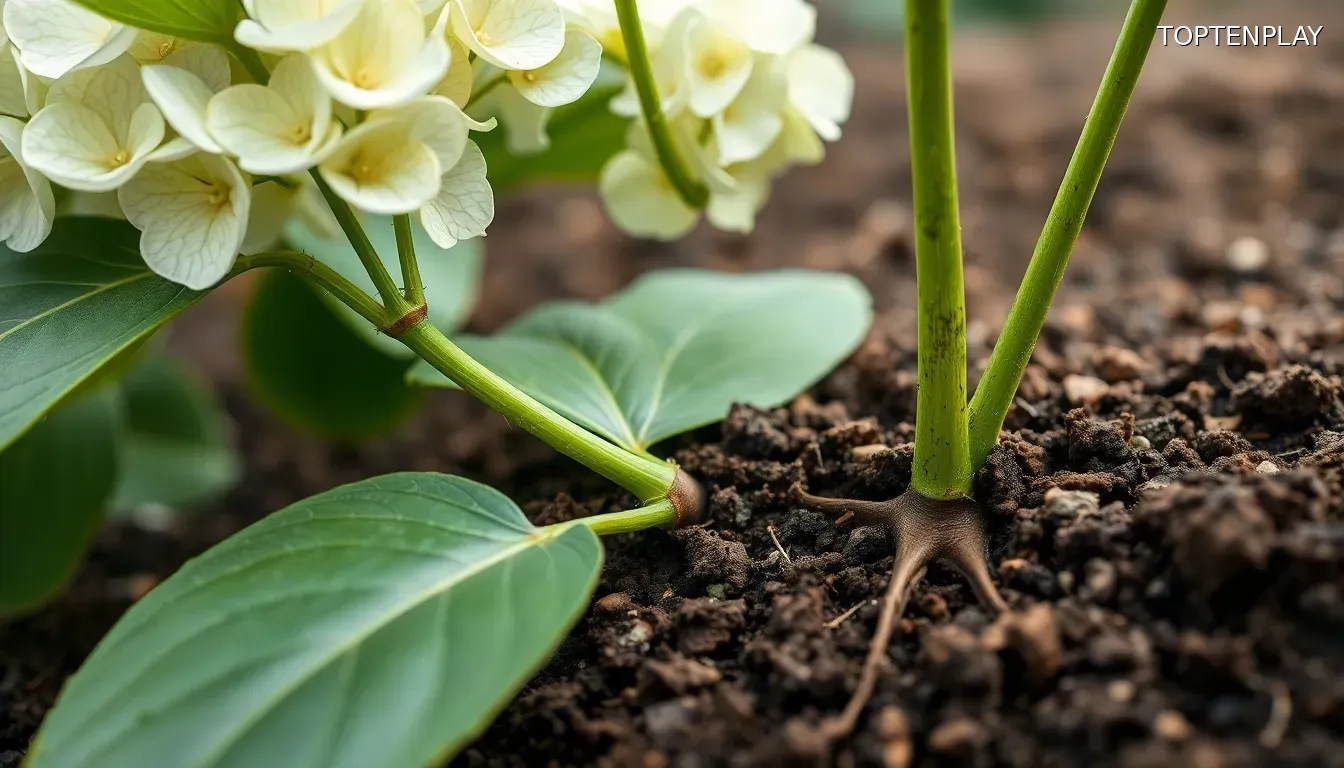
Image d’illustration © TopTenPlay EN
Why Layering Outperforms Traditional Propagation Methods
This proven efficiency stems from fundamental biological advantages that separate layering from conventional propagation approaches. While amateur gardeners often struggle with cutting failures, layering eliminates the primary cause of propagation disappointment: premature plant death during the vulnerable rooting phase.
Traditional cutting methods force plant sections to survive independently before establishing adequate root systems. This creates enormous stress as the detached cutting must simultaneously develop roots while maintaining existing foliage without parental support. Failure rates soar, particularly with woody shrubs like hydrangeas that require substantial energy reserves for successful establishment.
Layering reverses this dynamic entirely. The developing plant section remains connected to the mother plant’s established root network, receiving continuous nutrients, water, and hormonal support throughout the critical rooting period. This umbilical connection ensures survival while new roots develop at their natural pace, eliminating the race against dehydration that kills most cuttings.
The timing advantage further enhances success rates. Spring and early summer provide optimal conditions when layering coincides with the plant’s natural growth surge and increased root hormone production. Frequent rainfall during these seasons maintains essential moisture levels without requiring intensive irrigation management.
Equipment requirements remain minimal compared to cutting propagation setups. No rooting hormones, specialized growing media, humidity domes, or controlled environments become necessary. Basic garden tools accomplish what elaborate propagation systems often fail to achieve.
This stress-free approach transforms hydrangea multiplication from a gamble into a reliable landscape investment strategy that consistently delivers thriving results.
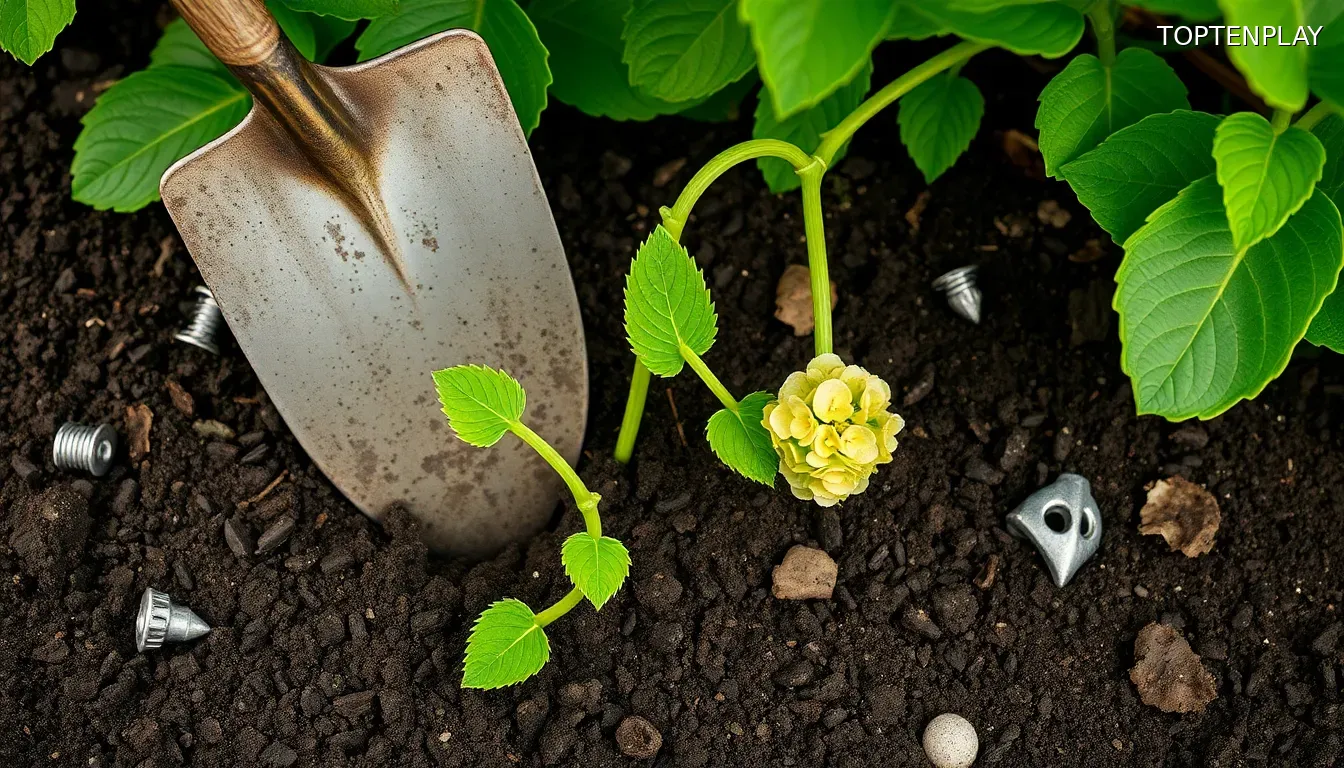
Image d’illustration © TopTenPlay EN
Master The Step-by-Step Layering Technique
Transforming this reliable strategy into landscape reality requires precise execution of a deceptively simple process. Success hinges on branch selection as your foundation—identify healthy, flexible lower branches capable of bending to ground level without snapping. These candidates possess the vigor necessary for robust root development while maintaining structural integrity during manipulation.
The critical wounding step separates amateur attempts from professional results. Create a shallow cut along the stem’s underside at the intended burial point, penetrating just deep enough to expose the cambium layer beneath the bark. This controlled injury triggers the plant’s natural healing response, accelerating root formation at the precise location where new growth is needed.
Excavation depth determines success or failure. Dig trenches approximately three inches deep—shallow enough to maintain soil warmth for root development, yet deep enough to secure the branch against displacement. Position the wounded section within this trench while bending the branch tip upward and outward, ensuring no leaves remain buried where they would decay and compromise the rooting process.
Anchoring prevents the flexible branch from springing back to its original position. Deploy landscape staples, strategically placed rocks, or bricks to maintain contact between the wounded stem and surrounding soil. This constant connection proves essential for moisture absorption and root penetration.
Consistent moisture sustains the entire operation. Regular watering maintains the soil’s capacity to support cellular development without creating waterlogged conditions that promote rot. This careful balance transforms technical knowledge into thriving hedge components that will multiply your landscape investment exponentially.
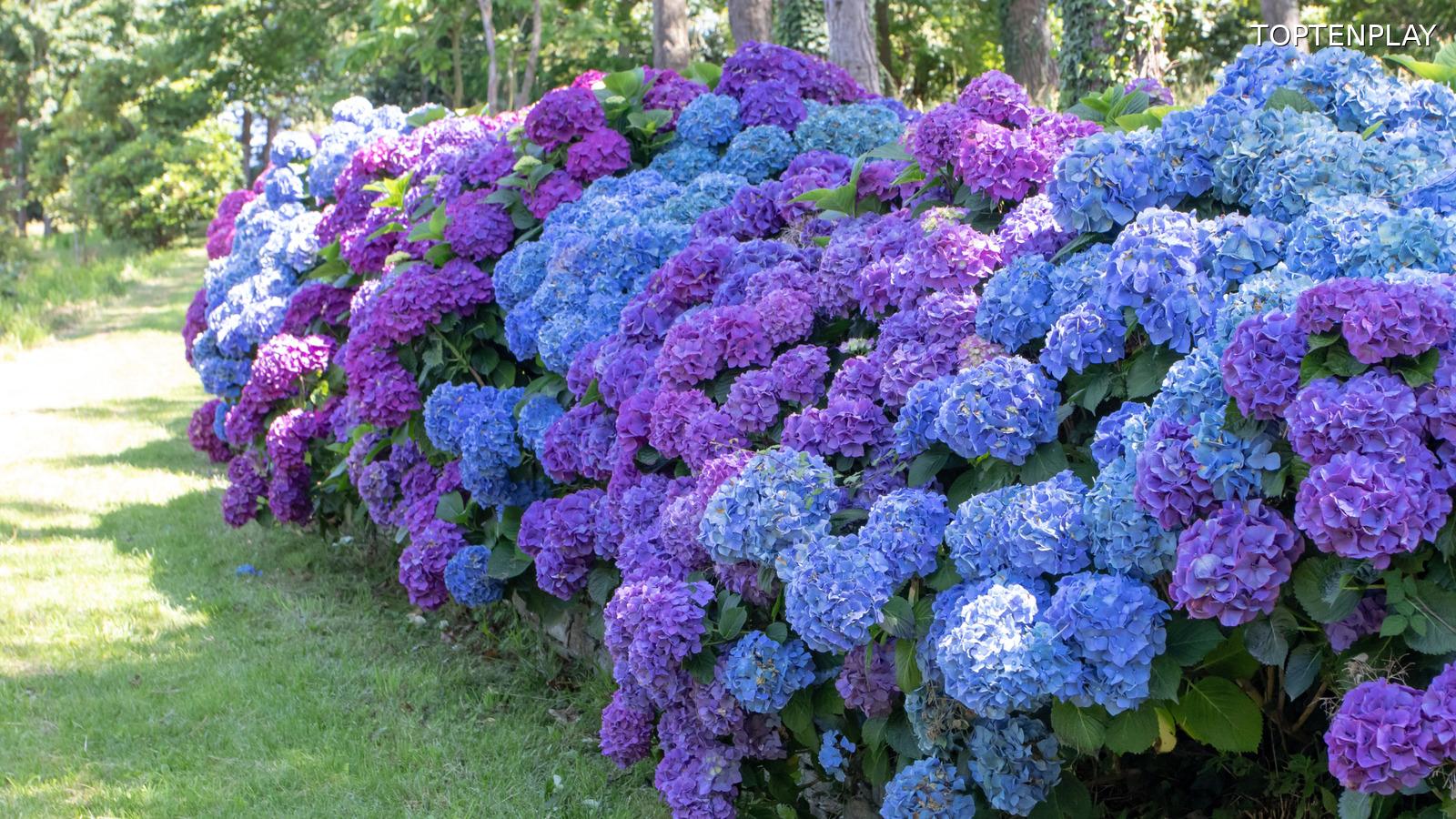
Image d’illustration © TopTenPlay EN
From Rooting To Hedge: Timeline And Results
This careful moisture management transforms into visible progress as nature orchestrates the underground transformation. During the active growing season, root formation accelerates beneath the surface while the buried stem section develops its independent life support system. The patient gardener witnesses no dramatic above-ground changes, yet beneath the soil, cellular multiplication creates the foundation for landscape multiplication.
Within several months, the moment of truth arrives through a simple resistance test. Gently tug the layered branch—successful rooting reveals itself through firm resistance against your pull. This tactile confirmation signals the buried section has established sufficient root mass to survive separation from its parent. Weak or nonexistent resistance indicates additional waiting time remains necessary before proceeding.
The severance ceremony marks the birth of your hedge expansion. Using sharp pruners, cleanly cut the rooted section from the mother plant, creating two independent hydrangeas where one previously existed. Immediate transplantation to the designated hedge position ensures seamless establishment in its permanent growing location.
Annual repetition compounds this multiplication effect exponentially. Each spring presents fresh opportunities to layer additional branches, systematically expanding your hedge row with genetically identical specimens. Year three typically yields a substantial hedge presence, while year five delivers the dramatic, uniform border that transforms ordinary landscapes into showstopping garden features.
This proven technique requires minimal financial investment beyond basic gardening staples, yet delivers landscape results typically associated with expensive nursery purchases. The mathematical beauty lies in exponential growth—one plant becomes two, two become four, four become eight, creating hedge magnificence through patience and repetition.