This integration reflects how car safety considerations have evolved alongside smartphone use. Reducing the angle a driver must tilt their head to check a map is a measurable ergonomic improvement, and building that function directly into the console eliminates the need for aftermarket accessories.
Three gaps, three problems solved by the same engineering logic
Taken together, the three features — the cable channel at the base, the coin and pen slit on the side, and the phone perch between the holders — address three distinct categories of driver inconvenience: cord damage, loose objects, and screen visibility.
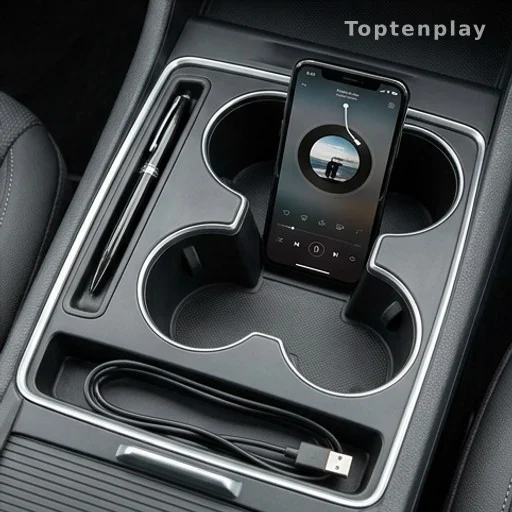
None of them are accidents of manufacturing. Each responds to a documented pattern of driver behavior, from plugging in a phone before a long trip to scrambling for change at a toll gate while keeping eyes on the road.
For drivers who have spent years treating these slots as places where receipts go to disappear, the gap is worth a second look. Using the coin slit as intended, routing cables through the bottom channel, and testing whether a phone fits securely in the center space can each make the daily driving experience noticeably more organized.
The three functions described above are already present in a large number of vehicles currently on the road. As automakers continue integrating wireless charging pads and larger infotainment screens into center consoles, the spatial logic governing these gaps is likely to shift — with some manufacturers already replacing the vertical phone slot with dedicated magnetic charging surfaces. Whether the coin slit survives the transition to fully cashless tolling remains an open question for the next generation of console design.
Suggested Posts

A mystery object in hand turns out to be a vintage tape dispenser
A small, polished golden-brown object sat in someone's hand with no obvious purpose — no label, no instructions, no obvious mechanism. Online searches and…