That small dashboard icon showing a car with a looping arrow is one of the most misunderstood controls in any vehicle. The air recirculation button directly affects the air quality, temperature, and visibility inside your cabin. Used correctly, it can make a real difference to your comfort and safety on the road.
En bref
- —The button controls whether your car uses inside or outside air
- —Recirculation helps cool the cabin faster in hot weather
- —Continuous use in cold or humid conditions can fog your windows
A Dashboard Icon Most Drivers Ignore
The symbol depicting a car outline with a curved arrow inside is a standard feature on virtually every modern vehicle, yet many drivers never consciously engage with it. It controls the air recirculation system, a mechanism that determines whether your car breathes outside air or recycles the air already inside the cabin.
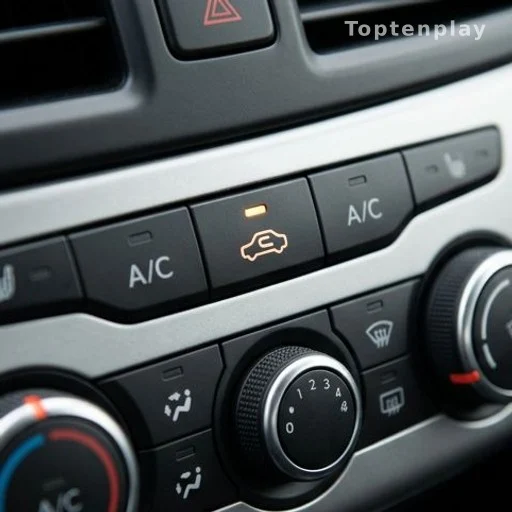
When recirculation is switched off, the ventilation system draws in fresh air from outside, filters it, then heats or cools it before distributing it throughout the interior. When it is switched on, a small internal door closes, sealing the cabin from the outside environment and creating a closed loop that continuously processes the same internal air.
Understanding this distinction is the first step toward using the feature effectively, rather than leaving it in a default position without knowing its consequences.
A feature designed for specific conditions
The air recirculation system has been a standard feature on passenger vehicles for decades. It was originally designed to help air conditioning systems work more efficiently by avoiding the constant cooling of warm outside air. Over time, its role expanded to include protection from pollution, odors, and allergens — but its correct use remains widely misunderstood by everyday drivers.
When Turning It On Makes Sense
The air recirculation function delivers its greatest benefit in hot weather. Because the system reuses air that is already inside the vehicle, the air conditioner does not have to work as hard to cool it down. This allows the cabin to reach a comfortable temperature more quickly and reduces strain on the AC unit.

It is equally useful when driving behind vehicles emitting heavy exhaust fumes. Activating recirculation prevents those pollutants from entering the cabin, protecting passengers from harmful gases. The same logic applies when passing through areas with strong odors, industrial zones, or dusty unpaved roads.
Drivers who suffer from seasonal allergies can also benefit significantly. By closing off the outside air supply, the system limits the amount of pollen and other airborne irritants that enter the vehicle, making journeys more bearable during high-pollen periods.
The Risks of Leaving It On Too Long
Despite its advantages, continuous use of the recirculation mode carries real drawbacks. In cold, rainy, or humid conditions, the trapped air inside the cabin accumulates moisture rapidly. This excess humidity causes windows to fog up, which can seriously reduce driver visibility and create a safety hazard.

On longer journeys, keeping the system permanently engaged also means the same air is repeatedly recycled without renewal. Over time, this can lead to a drop in oxygen levels inside the cabin, contributing to drowsiness and reduced alertness — a risk that should not be underestimated, particularly on motorways or during night driving.
The general recommendation is to use recirculation selectively and situationally, switching back to fresh outside air whenever conditions allow, rather than treating it as a permanent setting.
Keeping the System in Good Working Order
The effectiveness of the air recirculation system depends in part on the condition of the cabin air filter. This component traps dust, pollen, and other particles before they circulate through the interior. A clogged or worn-out filter reduces airflow and air quality regardless of which mode is selected.
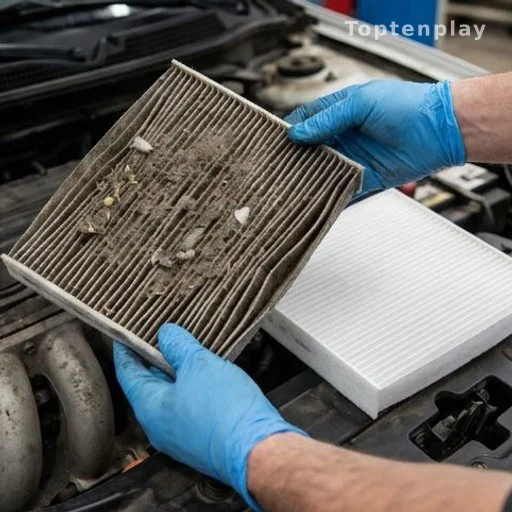
Manufacturers generally recommend replacing the cabin air filter every 12,000 to 15,000 miles. Neglecting this maintenance step means the system operates below its potential, and any benefits from using recirculation mode are diminished.
Combining proper filter maintenance with informed use of the recirculation button gives drivers full control over their cabin environment, ensuring cleaner air, better temperature management, and safer visibility throughout the year.
The air recirculation button is a small control with a meaningful impact on comfort, air quality, and safety. The key is knowing when to engage it — during hot weather, heavy traffic, or polluted environments — and when to switch back to fresh air, particularly in cold or humid conditions and on long drives. Paired with regular cabin filter maintenance, this simple habit can make every journey noticeably more pleasant and safer.