📌 Teeth whitening in 1 minute: why dentists advise against the lemon-rice flour mixture
Posted 1 February 2026 by: Admin
A Viral Promise That Questions Experts
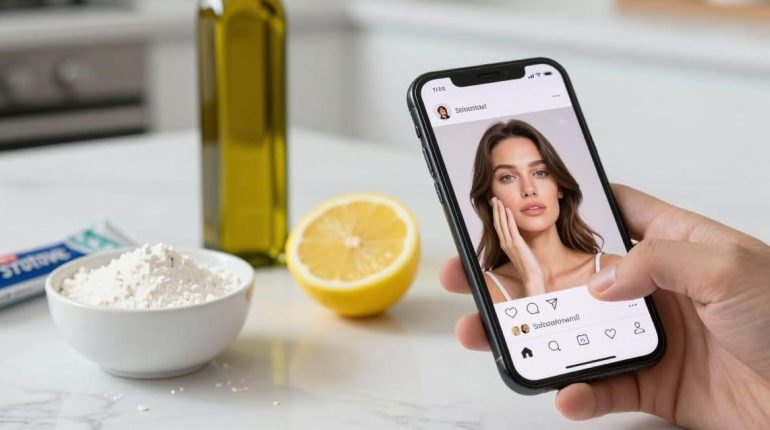
Social media is amplifying a surprising trend: homemade recipes claim to whiten teeth in one minute flat. Rice flour, lemon juice, olive oil, and toothpaste are mixed, applied, and then brushed quickly. The announced result? An instant bright smile without a visit to the dentist.
These viral tutorials accumulate millions of views, seducing with their simplicity and accessibility. Who doesn’t have these ingredients in their kitchen? The appeal is twofold: financial savings and immediate satisfaction. Yet, behind the enthusiasm of the testimonials, a fundamental question emerges.
No scientific validation accompanies these publications. Dentists observe this multiplication of DIY methods with increasing vigilance. Between marketing promise and physiological reality, the gap can be considerable. Tooth enamel responds to precise biological mechanisms that improvised recipes often ignore.
The temptation of a quick result masks an essential fact: what acts on the surface can simultaneously damage in depth. Before applying these mixtures to one’s teeth, scientifically examining each component is an elementary precautionary step. Everyday ingredients are not neutral when they come into contact with oral tissues.
Decoding Ingredients: Between Myth And Reality
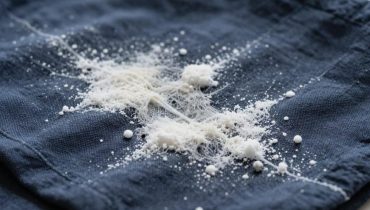
Rice flour acts as a mild abrasive capable of temporarily removing surface residue. Its mechanical action provides an immediate feeling of cleanliness, similar to superficial polishing. But this visual effectiveness does not change the intrinsic shade of the enamel.
Lemon juice reveals a contradictory nature. Its natural acids effectively dissolve certain stains, creating the illusion of rapid lightening. However, these same acids soften tooth enamel during repeated use. The protective structure of the tooth gradually weakens, paving the way for increased sensitivity and irreversible damage.
Olive oil comes from ancestral oral hygiene practices, notably Ayurvedic “oil pulling.” Its inclusion in these recipes is more about tradition than proven whitening effectiveness. No scientific study establishes a direct link between the application of olive oil and a lasting change in tooth color.
Toothpaste provides fluoride and cleaning agents designed for standard daily hygiene. Its presence in the mixture adds no express whitening properties. It simply fulfills its usual function: removing bacterial plaque and protecting against cavities.
Each component therefore has real properties, but their interactions do not generate the promised miracle. The temporary appearance of whiteness often masks much more concrete risks.
The Hidden Risks Of Minute Solutions
This appearance of whiteness conceals a progressive deterioration of tooth enamel. The repeated abrasive action of rice flour, combined with the acidity of lemon, erodes the protective layer of the teeth. This process intensifies with each application, durably weakening the dental structure.
Enamel softened by natural acids never regenerates. Unlike other body tissues, this outer layer has no self-repair capacity. Once damaged, it exposes the underlying dentin, causing hypersensitivity to heat, cold, and sugary foods. The consequences become permanent.
The gap between immediate aesthetic result and long-term impact creates a dangerous illusion. What seems to be a brighter smile after one minute of brushing results mainly from temporary superficial cleaning. No real modification of tooth pigmentation occurs. The film of residue removed quickly reforms, while structural damage silently accumulates.
Dental studies confirm the lack of a lasting whitening effect with these home methods. Worse still, they document cases of dental erosion in regular users of acidic preparations. The promise of an express transformation in sixty seconds proves not only ineffective but potentially destructive to oral health.
Understand Before Experimenting
This accumulation of silent damage highlights the importance of an informed approach to viral cosmetic trends. Understanding how these ingredients actually interact with teeth allows for an assessment of risks before any experimentation. The attractiveness of a quick promise never justifies ignorance of the mechanisms at play.
The distinction between superficial cleaning and true whitening often escapes users. Removing surface residue produces a temporary visual effect, while modifying the intrinsic pigmentation of teeth requires specific active agents in controlled concentrations. Home recipes systematically confuse these two distinct processes.
The appearance of instant whiteness in no way guarantees the safety of the process. This confusion fuels the popularity of methods whose consequences only manifest after several weeks of use. The time lag between application and symptoms creates a false impression of safety, encouraging the repetition of a potentially destructive act.
Scientific knowledge of chemical properties constitutes the only bulwark against misleading claims. Each ingredient has a precise mode of action on dental tissues, and their combination amplifies certain effects while creating new ones. This biochemical complexity is never summarized in a simplistic recipe shared in sixty seconds on social media.