📌 Swollen feet: 8 serious diseases that this symptom can reveal (heart, kidneys, liver)
Posted 2 March 2026 by: Admin
Vascular Dangers: When Your Feet Alert You
When only one foot swells for no apparent reason, it is never trivial. Behind this symptom may lie deep vein thrombosis (DVT), a pathology as insidious as it is dangerous. This condition occurs when a blood clot forms in the deep veins of the leg, obstructing normal blood circulation. The real danger lies not so much in the swelling itself as in what can follow: if part of the clot breaks off and migrates to the lungs, it causes a pulmonary embolism, a potentially fatal life-threatening emergency.
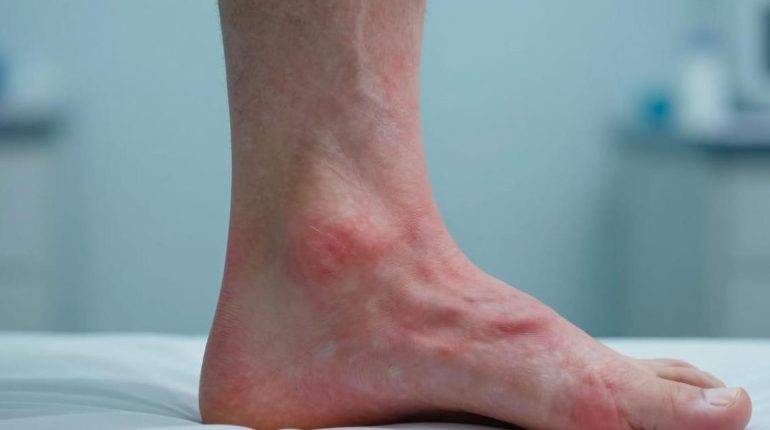
The warning signals are precise and must be taken seriously. Asymmetrical swelling – affecting one foot rather than both – accompanied by throbbing pain, localized redness, or an unusual sensation of heat in the affected area constitutes a cluster of symptoms requiring immediate medical consultation. Time plays a crucial role here: the earlier the diagnosis, the more the risks of serious complications decrease.
The elderly, individuals with prolonged immobilization, those suffering from obesity, or those with a family history of coagulation disorders are among the high-risk populations. Certain long trips by plane or car, where mobility remains limited for hours, also increase the probability of clot formation. Faced with these symptoms, self-medication or waiting represent potentially fatal errors. Only an appropriate medical examination can confirm or rule out the presence of DVT and implement an adapted treatment to prevent pulmonary embolism.
Organic Failures: Heart, Kidneys, and Liver Involved
Beyond vascular risks, persistent swelling of both feet often reveals major organic failures that the body can no longer compensate for. Three vital organs stand out particularly in this clinical picture: the heart, the kidneys, and the liver.
Congestive heart failure is among the most frequent causes. When the heart muscle loses its ability to pump blood effectively, fluid gradually accumulates in the lower limbs due to gravity. This fluid retention is generally accompanied by abnormal shortness of breath during minimal effort and persistent fatigue. These combined symptoms constitute a warning signal that every patient must take seriously, as they testify to a cardiac degradation requiring rapid management.
The kidneys, the body’s natural filters, play a central role in fluid balance. When they malfunction, their inability to correctly eliminate waste and regulate body fluids manifests as marked swelling of the ankles and feet. A revealing sign often accompanies this retention: the appearance of foamy urine or a notable decrease in daily urine volume. These manifestations reflect an alteration in renal function requiring a complete medical assessment.
Liver cirrhosis, the advanced stage of many liver diseases, disrupts the production of essential proteins and compromises fluid regulation. The resulting fluid accumulation is mainly localized in the feet but is frequently accompanied by characteristic jaundice – that yellow coloration of the skin and the whites of the eyes that betrays severe liver damage. This symptomatic triad requires specialized consultation without delay to evaluate the extent of the damage and adapt the treatment.
External Factors: Medications and Lymphatic System
This accumulation of fluids in the extremities does not always originate from an organic pathology. Paradoxically, treatments intended to protect our health can themselves trigger this phenomenon of fluid retention.
Many commonly prescribed medications cause swollen feet as a side effect. Antihypertensives, particularly certain calcium channel blockers, are among the main culprits. Corticosteroids, antidepressants, and hormonal treatments can also disrupt the body’s fluid balance. If you notice the appearance of edema after introducing a new treatment, a discussion with your doctor is necessary to consider a dosage adjustment or a therapeutic alternative. Never abruptly stop a medication without medical advice, but systematically report this symptom at your next consultation.
The lymphatic system, this misunderstood but essential network for draining body fluids, constitutes another potential source of swelling. When it is damaged or obstructed – following surgery, radiotherapy, or a parasitic infection – it can no longer correctly evacuate lymph from the tissues. This failure causes lymphedema, characterized by chronic swelling and a progressive feeling of heaviness in the legs. Unlike other causes of edema, lymphedema tends to persist and requires specialized management combining manual lymphatic drainage, wearing compression garments, and adapted exercises.
The precise identification of these iatrogenic or lymphatic causes allows for rapid orientation towards appropriate solutions and avoids unnecessary investigations.
Specific Risk Situations: Pregnancy and Infections
These failures of the lymphatic system or these drug effects are not the only threats. Certain populations present an increased vulnerability to swollen feet, requiring reinforced vigilance to detect life-threatening emergencies.
Pregnancy is naturally accompanied by edema of the lower limbs, a consequence of the pressure exerted by the uterus on the blood vessels and the increase in blood volume. However, when this swelling becomes sudden and severe, accompanied by intense headaches and vision disorders, it signals preeclampsia. This dangerous complication, characterized by high blood pressure and the presence of proteins in the urine, threatens the life of the mother and the fetus. It requires immediate hospitalization and may impose a premature induction of labor to preserve the health of both patients.
Diabetic people must meticulously monitor their feet. Their reduced sensitivity to injuries, coupled with slowed healing, transforms the slightest cut or blister into a gateway for a potentially serious infection. Localized swelling, accompanied by heat, redness, or skin changes, often reveals an already established infectious process. Without rapid intervention, these infections can progress to fearsome complications sometimes requiring amputation.
Recognizing these risk situations allows for action before apparently benign symptoms degenerate into medical emergencies.