📌 Sweet potato: how this root vegetable improves your digestion, stabilizes your energy, and strengthens your immunity
Posted 3 March 2026 by: Admin
Sweet Potato: An Accessible And Nutritious Superfood
The sweet potato has earned its place in the world of balanced nutrition, and this recognition is based on tangible facts. This vibrant tuber concentrates essential nutrients in an affordable and versatile package, regularly earning it “superfood” status in daily diets.
Unlike highly refined carbohydrates that cause energy rollercoasters, the sweet potato delivers complex carbohydrates and fiber. This particular composition provides stable energy throughout the day, without the sharp spikes or dizzying drops that characterize white bread or processed products. A decisive asset for anyone seeking sustained performance, weight management, or simple metabolic balance.
Its nutritional richness is impressive: dietary fiber, vitamin A in the form of beta-carotene, vitamin C, potassium, and natural antioxidants are naturally concentrated there. These components support immune function, protect cells from daily oxidative stress, and contribute to overall vitality when included in a varied diet.
This exceptional nutritional density, combined with its availability and modest price, explains why nutritionists and athletes systematically include it in their recommendations. The sweet potato doesn’t just nourish: it optimizes, protects, and balances. A strategic ally for those looking to transform their eating habits without compromising pleasure or budget.
Five Scientifically Documented Health Benefits
This nutritional density translates into measurable effects on the body. First asset: stable energy. The complex carbohydrates in sweet potatoes are digested gradually, avoiding glycemic spikes followed by sudden crashes. Result: maintained alertness, preserved concentration, without the post-meal fatigue typical of high-glycemic index foods.
Weight management directly benefits from its fiber content. Fiber provides prolonged satiety that naturally reduces impulsive snacking. Consumed in reasonable portions, the sweet potato fits into a conscious dietary strategy without frustration or deprivation.
On the digestive level, these same fibers promote regular transit and support the balance of the gut microbiota. An often overlooked but decisive advantage for daily comfort and optimal nutrient absorption.
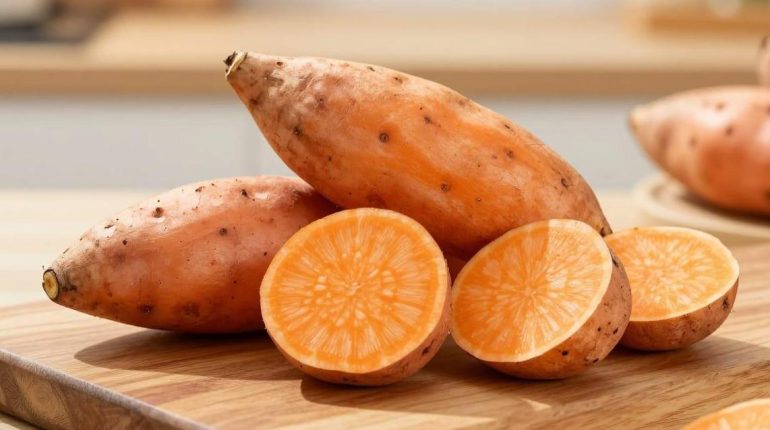
The bright orange color betrays the massive presence of beta-carotene, a powerful antioxidant that protects cells from daily oxidative stress. Once in the body, this compound converts to vitamin A, a crucial element for maintaining normal vision and healthy skin. This dual action — cellular protection and physiological support — makes the sweet potato a discreet but effective preventive ally.
These benefits mutually reinforce each other when consumption is part of a consistent dietary routine, setting the stage for strategic use adapted to active lifestyles.
Sweet Potato And Active Lifestyle: Strategic Use
This nutritional versatility explains why the sweet potato systematically appears in fitness-oriented dietary programs. Performance professionals integrate it according to three precise functions: pre-workout energy thanks to complex carbohydrates, rapid replenishment of glycogen stores after exercise, and glycemic stabilization when combined with proteins.
The decisive advantage lies in its preparation. Boiled, baked, mashed, air-fried, or incorporated into soups and stews, it adapts to all culinary contexts without losing its nutritional qualities. This flexibility allows for a rotation of recipes that prevents dietary boredom while maintaining essential intake.
An often ignored technical detail: consuming the sweet potato with properly washed skin multiplies the fiber intake. This simple practice transforms an already nutritious food into an even more concentrated source of beneficial compounds. For athletes and those concerned with optimizing their daily diet, this root vegetable combines accessibility, ease of preparation, and nutritional density.
This practical efficiency nevertheless raises legitimate questions about its impact on weight and the best strategies for daily incorporation.
Practical Tips For Optimal Integration
This strategic use raises a recurring question: does the sweet potato cause weight gain? The scientific answer is clear: no single food causes weight gain. Only the portion consumed, the preparation method, and the overall dietary balance matter. A boiled sweet potato in a structured meal will not have the same metabolic impact as a fried version topped with added sugars.
To optimize its benefits, three rules apply: avoid deep frying which multiplies calorie intake, drastically limit added sugars in recipes, and systematically associate it with healthy proteins and fats to create a complete meal. This combination transforms a simple root vegetable into a true tool for functional nutrition.
Daily incorporation proves simpler than anticipated. Replacing refined carbohydrates with a portion of baked sweet potato, consuming it at breakfast or before physical activity, combining it with eggs, lean proteins, legumes, or leafy green vegetables: all accessible strategies that naturally integrate into existing routines. The recommended frequency? Regular moderate portions as part of a varied diet, without artificial restriction or overconsumption.
This pragmatic approach reveals a fundamental truth: the sweet potato requires neither complex protocols nor culinary expertise to deploy its beneficial effects on energy, digestion, and general well-being.