📌 Steak fried rice: how to get a perfect crispy texture thanks to cold rice and butter
Posted 9 March 2026 by: Admin
The Magic Formula For Perfect Fried Rice
The secret of Asian restaurants lies in three words: cold rice, high heat, butter. This simple formula transforms a mundane dish into a taste experience with contrasting textures, both crispy on the surface and soft at the core.
The fatal mistake most home cooks make? Using freshly cooked rice. This technique systematically leads to a mushy and sticky result, far from the desired airy texture. Rice from the previous day, kept in the refrigerator, loses just enough moisture to withstand intense cooking without falling apart.
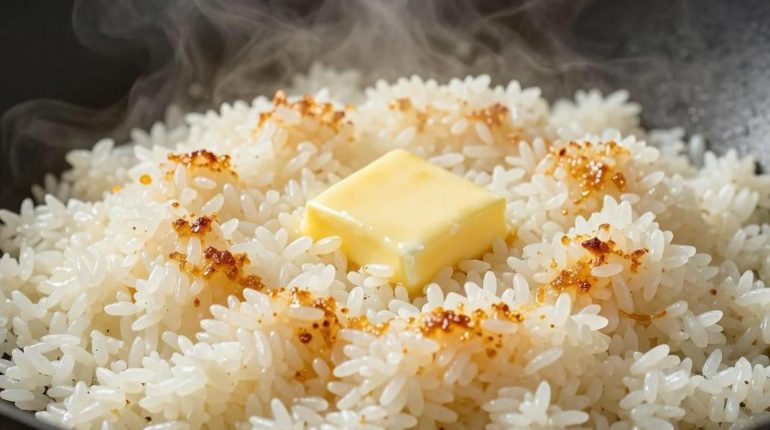
High heat slightly caramelizes the grains while preserving their individual structure. Butter, added at the end of cooking, brings that incomparable richness and promotes the formation of golden, crispy areas that characterize true professional fried rice.
This equation works for all variations of fried rice, whether they contain beef, pork, shrimp, or simply vegetables. Mastering these three parameters is enough to reproduce the quality of a specialized establishment at home. Cold Rice + High Heat + Butter: memorize this formula, it will definitively change your relationship with fried rice.
Why This Beef Fried Rice Beats Your Takeout Orders
This homemade version directly rivals the best Asian restaurants, while offering advantages that takeout cannot match. First, the protein load: the combination of tender beef and scrambled eggs transforms this fried rice into a complete and truly satisfying meal, far from the unbalanced portions often served in delivery.
Speed of execution is another major asset. Once preparation starts, everything happens in a few timed minutes. No waiting on the phone, no delivery fees, no disappointment upon opening the lukewarm container.
Smart use of leftover rice is a game-changer for weekly planning. After preparing a Green Curry or a Korean Beef Bowl, simply cook an extra portion of white rice and set it aside in the refrigerator. Two days later, this leftover becomes the base for a restaurant-quality express dinner.
Finally, total control over ingredients allows for precise salt adjustment, choosing quality oil, and generously determining the amount of meat. Unlike ordered dishes where beef is often limited to a few symbolic pieces, this recipe guarantees 12 ounces of sirloin for four servings, ensuring a substantial protein presence in every bite.
Strategic Ingredients And Their Alternatives
The choice of beef directly determines the success of the dish. Sirloin steak is essential for its quick cooking and tenderness, provided it is sliced thinly against the grain into strips of 6 millimeters maximum. This technique breaks the muscle fibers and guarantees a melting texture, even after the intense searing required.
Cornstarch plays a precise technical role in the marinade. It coats each piece of meat with a thin protective layer that caramelizes under high heat, creating that slightly crispy surface characteristic of professional woks. Without it, the beef would simply remain grilled, without that textural signature of Asian restaurants.
For umami depth, oyster sauce is irreplaceable. It brings that complex savory richness that no combination of soy or tamari sauces can reproduce. Moreover, tamari is the only relevant substitution for soy sauce for a gluten-free version, keeping exactly the same proportions.
Thawed frozen vegetables eliminate any cutting chores. Pre-cut peas and carrots go directly into the wok, reducing active prep time to a few minutes. The truly non-negotiable element remains the cold rice from the previous day: its firm texture and separate grains resist the moisture of cooking, where fresh rice would inevitably turn into sticky mush.
The Technique In 7 Timed Steps
The marinade requires an incompressible minimum of 15 minutes, ideally 30, for the cornstarch to penetrate the beef fibers. This mixture of soy sauce, oil, and starch chemically transforms the surface of the meat, creating that protective film that will caramelize under intense heat. Any attempt to shorten this step directly compromises the final texture.
Searing the beef is a matter of seconds. One minute per side is enough to obtain the desired caramelization, but the recipe specifies a crucial detail: “This part goes fast!” Cooking progresses so quickly that you must flip the first slices as soon as you finish placing the last ones in the pan. This chronometric precision separates amateur fried rice from the restaurant version.
Vegetables require exactly one minute of cooking, just enough to release the aromas of garlic and fresh ginger. Beyond that, they lose their characteristic crunch. Butter is added at this precise moment, coating each grain of rice before it is spread in a thin layer to develop its crispy areas.
The divided pan technique reveals its ingenuity when scrambling the eggs. By cracking them in a clear space of the wok, they cook separately before being incorporated in distinct pieces into the rice, thus avoiding the uniform and mushy mass of failed versions. This visual and textural separation faithfully reproduces the aesthetics of authentic Asian dishes.