📌 Spiny amaranth: why this ancestral medicinal plant can damage your kidneys if you consume it wrongly
Posted 25 March 2026 by: Admin
Spiny Amaranth: A Wild Plant With Many Faces
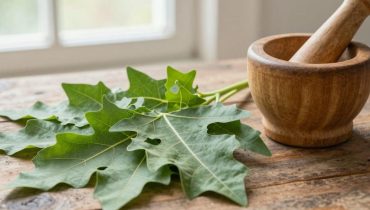
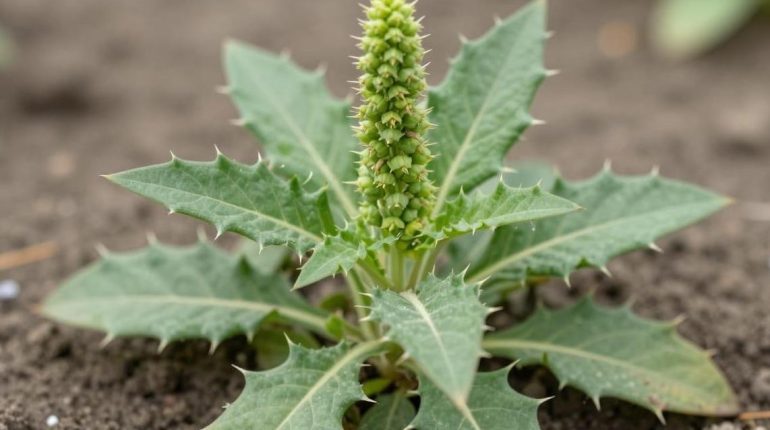
You have probably already come across it without knowing it. With its green oval leaves punctuated by sharp spines at the leaf junctions and its long clusters of bristly flowers, Amaranthus spinosus grows spontaneously in American fields and gardens, where it is generally pulled out as an invasive weed. Yet, this plant from the Amaranthaceae family tells a very different story on three other continents.
In Asia, Africa, and South America, what Americans consider an undesirable plant is cultivated and passed down from generation to generation as a precious healing herb. Its leaves serve as a nutritious vegetable in traditional cuisines, while its medicinal properties have been exploited for centuries to treat various ailments. This radically opposite perception reveals a fascinating paradox: spiny amaranth embodies the gap between ancestral knowledge and Western ignorance.
Botanical recognition remains simple. The characteristic spines, true signatures of the species, allow it to be identified without error among other amaranths. But beyond its defensive appearance, this plant hides a therapeutic potential that deserves rigorous attention, far from the hasty judgments that make it a mere “weed.”
Therapeutic Virtues Documented By Traditional Medicine
This medicinal potential is not folklore. Communities that have used spiny amaranth for generations attribute tangible digestive effects to it, mainly due to its natural fiber content. Tea prepared from its leaves promotes intestinal transit and relieves chronic constipation, a widespread use in Asian and African pharmacopoeias.
Plant extracts also demonstrate anti-inflammatory properties specifically targeting the stomach and urinary tract. This ability to reduce inflammation explains its traditional use against abdominal pain and urinary system irritations. Some cultures value it for its detoxifying action, supposed to eliminate toxins accumulated in the body while supporting kidney and liver functions.
Nutritionally, Amaranthus spinosus stands out for its concentration of vitamins A and C, as well as iron, comparable to other amaranth species already recognized for their nutritional richness. Consumed cooked as a leafy vegetable, its aerial parts constitute an interesting source of essential micronutrients.
But this list of benefits deserves a critical reading: rigorous scientific evidence remains limited. Millenary use testifies to empirical efficacy, not clinical validation. This nuance becomes crucial when examining the other side of this plant, the one that traditional users know perfectly: its real dangers in case of bad preparation.
Unknown Dangers: When The Plant Becomes Toxic
This dark side is mastered by traditional herbalists through ancestral transmission. In the West, where spiny amaranth grows spontaneously in gardens, ignorance of these risks can lead to severe poisoning. The main threat lies in its high concentration of oxalates, crystalline compounds that overload the kidneys when they accumulate in the body.
Consuming raw leaves quickly triggers violent digestive symptoms: acute stomach pain, persistent nausea, and diarrhea. The digestive system reacts brutally to these compounds not neutralized by cooking. Worse still, repeated use in infusion imposes progressive hepatic stress, weakening the liver through chronic exposure to concentrated active principles.
People suffering from kidney stones or gout must absolutely avoid this plant. In them, the additional intake of oxalates directly aggravates the formation of uric acid and calcium crystals, precipitating painful crises and renal complications. Amaranthus spinosus then becomes pure poison for already weakened organisms.
This toxicity is not theoretical: it reflects a pharmacological reality documented by accidents reported in regions where the plant is consumed without precaution. The border between remedy and danger depends on a determining element, one that culinary traditions around the world have long integrated to transform this weed into a safe food.
Safe Use Protocol: The Golden Rules
This rampart against toxicity is called thermal cooking. Boiling or sautéing the leaves neutralizes the harmful compounds, transforming spiny amaranth into an edible food. Heat degrades oxalates and deactivates the irritant principles responsible for digestive disorders. Without this step, no consumption is conceivable.
The frequency of use constitutes the second imperative. Even properly prepared, this plant must never become part of the daily diet. Occasional consumption only allows the body to eliminate oxalate residues between intakes, avoiding progressive renal accumulation. Medicinal traditions have always used it in occasional cures, never as a staple vegetable.
The prohibition of consuming raw leaves suffers no exception. Unlike spinach or arugula, Amaranthus spinosus contains concentrations of aggressive substances too high for the unaccustomed human digestive system. Even a small amount triggers immediate reactions.
For people with kidney, liver pathologies, or gout, prior medical consultation becomes mandatory. A doctor will evaluate interactions with ongoing treatments and the real risk for already weakened organs. This simple precaution avoids potentially serious complications in vulnerable individuals.
These four rules convert a dangerous plant into a usable resource. Rigorously respected, they allow access to digestive and anti-inflammatory properties while eliminating documented risks.