Puttanesca is not a sauce of compromise: it must be lively, salty, and truly comforting. It’s the dish you make when you want something hot, simple, with enough character to set the day straight. In Naples, the idea is clear: few ingredients, but none that sleep in the pot.
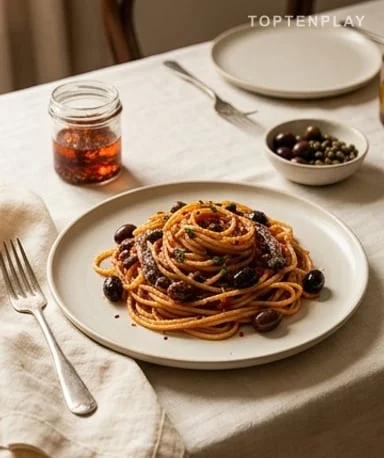
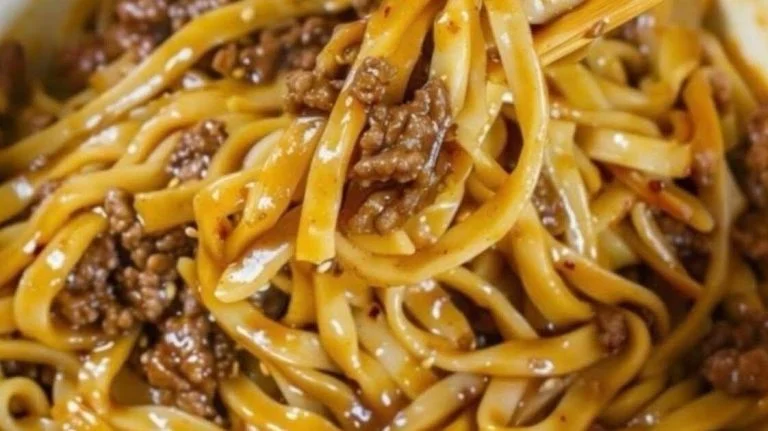
On the plate, the spaghetti shine under a dark red sauce, clinging just right. The olives bring a deep bite, the capers pop between the teeth, and the hot garlic perfumes the kitchen before the pasta is even drained. There’s a salty, almost briny side that makes the sauce broader than plain tomato. It’s comfort food without softness: enveloping, but never heavy.
Why you’ll love this recipe
Ingredient Notes
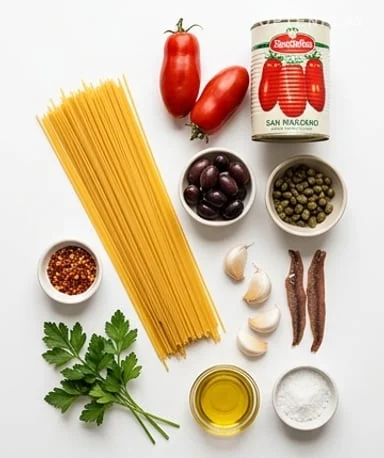
The base that does it all: good pasta, tomatoes, black olives, capers, garlic, anchovies, and a bit of chili.
- Spaghetti : They carry the sauce and provide that long, almost slippery chew that makes the dish so enjoyable. Use durum wheat pasta that holds up well to cooking, and swap for linguine or bucatini if you want a heartier bite.
- Tomatoes : They form the body of the sauce, with the acidity that balances the saltiness of the olives and capers. Out of season, good quality canned crushed tomatoes are better than pale, watery fresh ones.
- Black olives : They give depth, a dark, fleshy note that prevents the sauce from staying flat. Choose olives with character, like Kalamata or Gaeta, and avoid overly smooth olives that taste mostly of brine.
- Capers : They bring the salty, tangy spark, that sharp little hit that cuts through the hot tomato. Rinse them if they are very salty, then chop some to spread their flavor throughout the sauce.
- Anchovies : They melt into the oil and give a savory base without necessarily tasting strongly of fish. If you don’t want them, replace with a bit more chopped capers and a small pinch of seaweed flakes to keep the briny edge.
- Garlic and chili : Garlic perfumes the oil from the start, while chili gives warmth without turning the dish into an ordeal. Keep the heat moderate to avoid burnt garlic, which becomes bitter and overwhelms everything else.
Prep without rushing
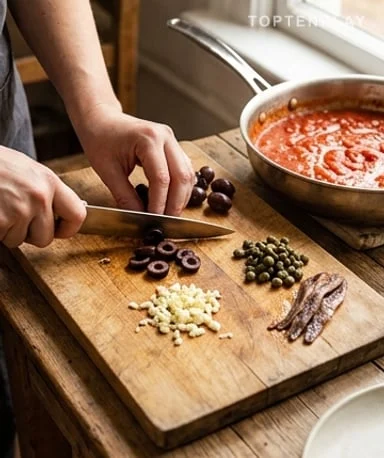
Before turning on the heat, take everything out: tomatoes, olives, capers, anchovies, garlic, chili, and pasta. This sauce doesn’t forgive slow trips back and forth to the pantry, because garlic can go from golden to bitter in seconds. Roughly chop the olives, rinse the capers if they sting your tongue too much, then crush or slice the garlic as you like. Already, the smell of capers and olives announces a salty, bold, almost marine sauce. It’s this little mise en place that makes the recipe comforting instead of stressful.
Make the oil talk
Pour the olive oil into a large pan, add the garlic, anchovies, and a pinch of chili, then heat gently. The anchovies should dissolve in the oil, not burn into dry crumbs. When the garlic perfumes the kitchen and the oil smells warm, salty, almost toasted, add the capers and olives. You’re aiming for a powerful base, not an aggressive fry. If it crackles too much, lower the heat: puttanesca likes character, not bitterness.
Short tomato, long flavor
Add the tomatoes and let the sauce simmer gently, enough to thicken but not become heavy. The color should darken slightly, from bright red to a deeper red, with thick little bubbles on the surface. Taste before salting, because the olives, capers, and anchovies have already done much of the work. If the sauce seems too sharp, let it sit a few more minutes to round out the acidity. If it seems too dense, a ladle of pasta cooking water will loosen it up.
Cook the pasta just right
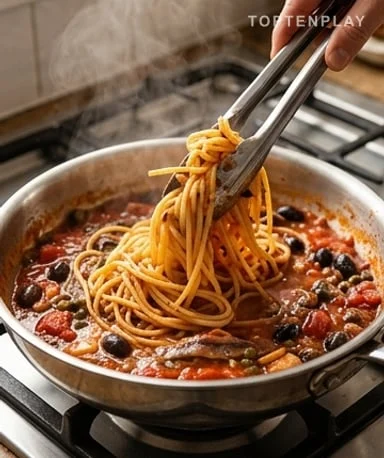
Cook the spaghetti in a large pot of boiling salted water, aiming for al dente. They should offer slight resistance to the tooth, because they will finish cooking in the sauce. Always reserve some pasta water before draining: it’s cloudy, starchy, and it’s what helps the sauce become glossy. When the pasta goes into the pan, toss it with tongs to coat without breaking. The wet sound of spaghetti turning in the tomato is a good sign: the sauce clings, but it remains supple.
Serve piping hot
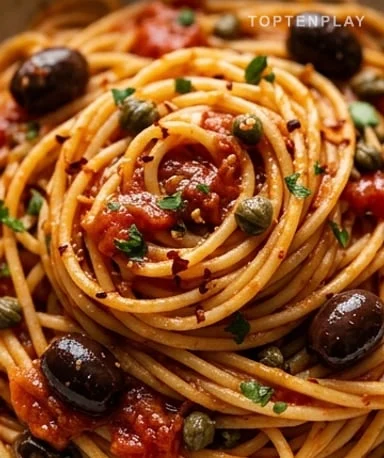
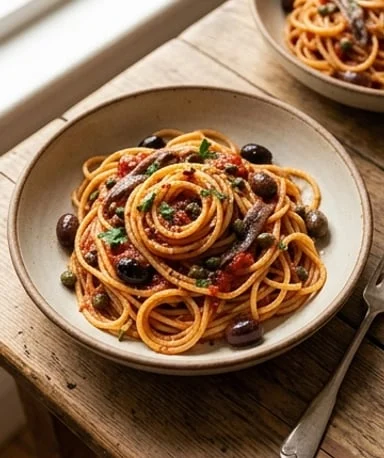
Serve as soon as the spaghetti are coated, glossy, and the sauce clings to the pasta without pooling at the bottom of the plate. A little chopped parsley adds a clean freshness, especially against the olives and capers. Avoid drowning the dish in cheese: here, the salt, garlic, and tomato already have plenty to say. On the plate, you should see pieces of olive, a few capers, red traces on each strand of spaghetti. It’s a dish to eat right away, when the heat brings out the aromas and the texture remains lively.
Tips & Tricks
- Prep all ingredients before cooking, because garlic and anchovies cook quickly and turn bitter if left alone too long in the hot oil.
- Reserve a ladle of pasta cooking water, as its starch binds the sauce and gives that glossy finish that clings to the spaghetti instead of sliding off into the plate.
- Salt cautiously after tasting, since capers, olives, and anchovies already bring marked saltiness that concentrates during reduction.
- Toss the pasta directly in the pan, as it then absorbs the hot sauce and takes on a more enveloping texture than with sauce simply poured on top.
Can I make the puttanesca sauce in advance?
Yes, the sauce can be made a few hours ahead, and it even gains depth. Reheat it gently in the pan, then add the pasta with a little cooking water to restore a glossy texture.
Do the anchovies give too strong a taste?
No, if they are melted into the oil with the garlic, they mainly bring saltiness and depth. You’re not looking for a pronounced fishy taste, but a savory base that supports the tomato.
Can this recipe be made without anchovies?
Yes, add a bit more chopped capers and a small pinch of seaweed flakes to keep a briny note. The sauce will be less deep, but it will remain vibrant and very pleasant.
Which olives to choose for a good puttanesca?
Choose black olives with character, like Kalamata or Gaeta. Oversmooth, bland olives make the sauce flat, even if the rest is well prepared.
Should I add grated cheese?
It’s not necessary, and I prefer it without. The sauce is already salty, powerful, and flavorful thanks to the capers, olives, and anchovies.
Spaghetti alla Puttanesca, Neapolitan Style
Italian
Main course
Spaghetti coated in a lively, salty, and comforting tomato sauce with black olives, capers, anchovies, garlic, and chili. A simple, bold dish, perfect when you want a hot plate with character.
Ingredients
- 400g spaghetti
- 400g crushed tomatoes
- 80g pitted black olives
- 30g drained capers
- 6 anchovy fillets in oil, drained
- 2 garlic cloves
- 3 tbsp olive oil
- 1/2 tsp chili flakes
- 10g flat-leaf parsley
- 1 pinch salt
- 1 pinch black pepper
Instructions
- 1Roughly chop the olives, rinse the capers if very salty, slice the garlic, and chop the parsley.
- 2Heat the olive oil in a large pan over medium-low heat, then add the garlic, anchovies, and chili.
- 3Let the anchovies melt into the oil for 1-2 minutes, without letting the garlic burn.
- 4Add the olives and capers, stir for 1 minute to flavor the oil.
- 5Pour in the crushed tomatoes, season with pepper, then simmer for 7-8 minutes until the sauce thickens slightly.
- 6Meanwhile, cook the spaghetti in a large pot of boiling salted water until al dente.
- 7Reserve a ladle of pasta water, then drain the pasta.
- 8Add the spaghetti to the pan with the sauce and toss for 1 minute, adding a little pasta water if needed.
- 9Finish with the chopped parsley, taste before adding more salt, and serve piping hot.
Notes
• Always taste the sauce before adding salt, as capers, olives, and anchovies are already salty.
• For a version without anchovies, add 10g extra capers and a small pinch of seaweed flakes.
• The sauce should remain lively and glossy, not too reduced or dry.
• Keep the pasta al dente, as it finishes absorbing in the pan.
Nutrition Facts (per serving, estimated)
| 520 kcalCalories | 16gProtein | 80gCarbs | 15gFat |