📌 Shortcrust pastry and smooth cream: 3 tips for succeeding with this classic dessert every time
Posted 27 March 2026 by: Admin
The Fundamental Base: Mastering The Perfect Shortcrust Pastry
Behind the apparent simplicity of the cream cake lies a daunting technical requirement: the shortcrust pastry. This crispy base determines the balance of the whole. Its success relies on an ancestral gesture called “sablage,” which consists of incorporating 100g of cold butter cut into pieces into 175g of flour until a grainy texture, similar to fine sand, is obtained. The butter must imperatively remain cold to prevent it from melting prematurely and turning the dough into a compact mass.
Once the mixture is sandy, adding 70g of sugar, an egg yolk, and one to two tablespoons of cold water allows the preparation to bind. But beware: overworking the dough makes it hard after baking. Quickly form a ball, wrap it in film, and place it in the refrigerator for 30 minutes. This cold rest allows the gluten to relax and the butter to firm up, guaranteeing a crumbly texture.
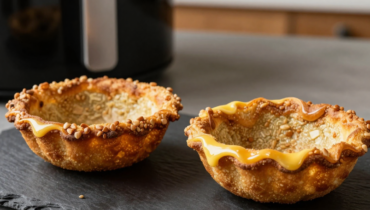
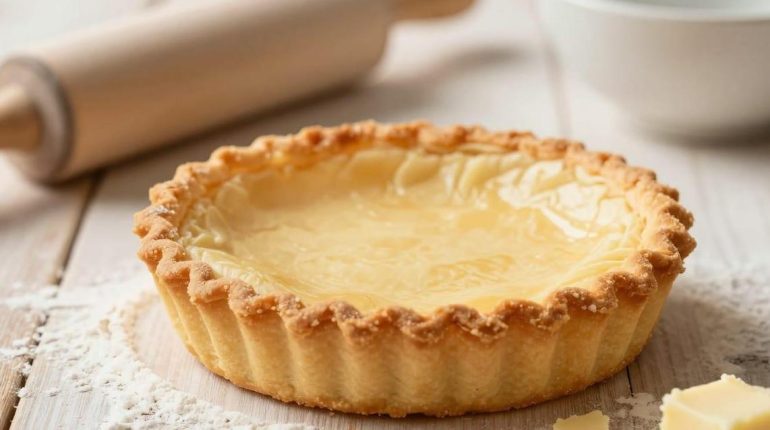
Blind baking is the next step: roll out the dough, line the mold, prick the bottom with a fork to prevent it from puffing up, then bake at 180°C for 15 minutes. The pastry should come out lightly golden, just enough to support the cream without softening. This pre-baking forms the crispy shield that contrasts with the smoothness of the filling, the very signature of this delicate dessert.
The Art Of Smooth Cream: Secrets To A Lump-Free Filling
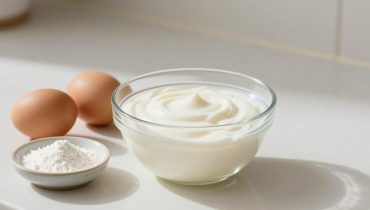
After mastering the crispy base, it’s time for the true heart of the dessert: the pastry cream. This melting filling requires absolute vigilance. Start by heating 500ml of milk with a split vanilla bean, whose seeds will gradually flavor the liquid. Meanwhile, vigorously whisk 3 egg yolks, 100g of sugar, and 40g of cornstarch in a bowl until the mixture whitens.
Incorporating the hot milk is the critical moment. Pour it gradually over the egg-sugar-cornstarch mixture while whisking continuously to avoid coagulation. Then return the whole mixture to the saucepan over medium heat. This is where everything happens: stir constantly with the whisk, scraping the sides and the bottom well. The cornstarch thickens quickly between 80 and 85°C, transforming the liquid into a smooth cream in just a few minutes.
As soon as the texture coats the spoon, remove from heat. For superior smoothness, add 100ml of liquid cream off the heat, which will bring roundness and softness. This professional technique distinguishes a basic cream from a truly melting filling. Let it cool slightly before moving on to assembly: the cream must remain fluid to perfectly fit the pre-baked pastry base.
Strategic Assembly And Final Baking
Once the cream has cooled slightly, carefully pour it onto the pre-baked shortcrust pastry base. Use a spatula to perfectly smooth the surface, eliminating any air bubbles that would compromise the final appearance. This warm assembly step allows for optimal adhesion between the two components of the dessert, preventing them from separating during unmolding.
Bake immediately at 180°C for 20 to 25 minutes. Monitor progress carefully: the top should take on a light golden color without browning, a sign that the cream has set sufficiently on the surface while retaining its melting heart. This double baking is the secret to a professional result. By pre-baking the pastry alone, you guarantee its total impermeability to the moisture of the cream.
Upon leaving the oven, resist the temptation to unmold immediately. Let it cool at room temperature for at least 30 minutes, allowing the textures to stabilize. Then transfer to the refrigerator for a minimum of one hour: this final rest crystallizes the signature textural contrast between the crispy base and the smooth filling. It is this patience that transforms simple ingredients into a truly irresistible dessert, ready to reveal its full aromatic palette at the time of tasting.
Personalization And Gourmet Variations
Once the technique is mastered, this classic dessert lends itself to multiple reinterpretations. The fresh fruit version is the most immediate adaptation: arrange strawberries, raspberries, or peach slices on the cooled cream just before serving. The fruits provide a welcome acidity that balances the richness of the vanilla cream, while preserving their crunchy freshness.
For chocolate lovers, incorporate 100g of melted dark chocolate into the still-hot cream, just after removing it from the heat. The cocoa enriches the vanilla base without overpowering it, creating a light ganache that retains the characteristic melting texture. The lemon option, on the other hand, plays on freshness: add the zest of an organic lemon to the cream during cooking, then a few drops of juice at the end of preparation to intensify the aroma without excessive acidification.
The almond variant transforms the very base of the dessert. Replace 30g of flour with almond powder in the shortcrust pastry: you get an even more crumbly texture, with a subtly toasted scent that dialogues harmoniously with the vanilla of the cream. These four variations respect the fundamental balance of the dessert while renewing the taste experience, allowing this classic to be adapted to seasons, occasions, or simply the desires of the moment.