📌 Sea bass carpaccio: banana and coconut milk reinvent this classic of raw cuisine
Posted 20 March 2026 by: Admin
The Bold Alliance: Sea Bass, Banana, and Coconut
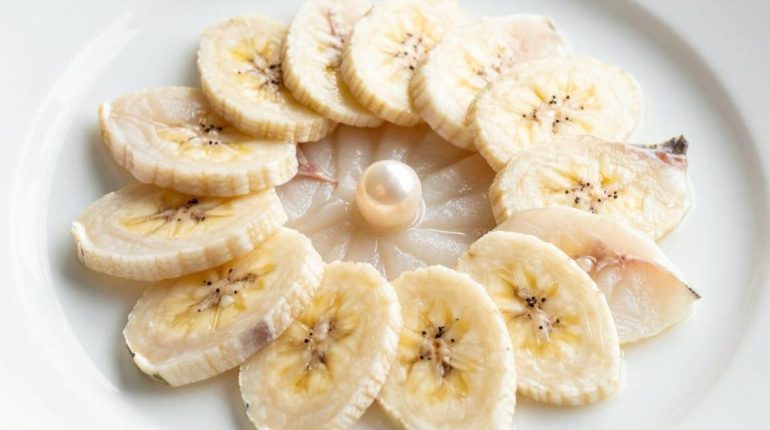
This fusion recipe breaks the codes of traditional cuisine by marrying raw fish and fresh fruit in a combination that defies all conventional culinary logic. The sea bass carpaccio with banana relies on a millimeter-precise cutting technique: using a perfectly sharpened smooth knife, the sea bass fillets are sliced into translucent strips, so thin that they reveal their pearly flesh to the light.
On these fish slices delicately arranged in a rosette pattern, banana slices barely 1 mm thick are placed. This unexpected association between the firm texture of the wild sea bass and the velvety sweetness of the banana creates a troubling sensory contrast. The tropical fruit brings a natural sweet note that intertwines with the iodized flavors of the fish, setting the stage for the intervention of the coconut milk.
This exotic trilogy of fish-fruit-coconut transforms the classic carpaccio into a bold fusion creation. The success of the dish depends entirely on the precision of the gesture: each slice must be thin enough to melt on the tongue, each banana slice calibrated not to overwhelm the marine flavors. It is in this technical rigor that the gustatory harmony of this atypical recipe is born.
A Three-Dimensional Tropical Sauce
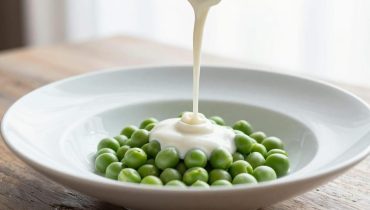
The gustatory balance of this carpaccio rests on a creamy sauce built in three complementary aromatic layers. In a bowl, the coconut milk forms the smooth base that envelops the fish without stifling it. This velvety texture welcomes freshly squeezed orange juice, whose bright acidity cuts through the milky roundness to create essential gustatory tension.
Olive oil acts as the third pillar of this exotic emulsion. It binds the liquid elements while bringing its own fruity personality, transforming the sauce into a true cold marinade. Salt and pepper structure the whole, revealing each flavor with precision.
But it is the addition of a quarter of a finely sliced red chili that completes the aromatic construction. Cut into almost invisible filaments, this chili distills a progressive heat that awakens the palate without brutality. This spicy note contrasts with the sweetness of the coconut milk and the freshness of the orange, creating a tropical sauce in relief where each ingredient occupies its distinct gustatory space.
This marinade, distributed evenly over the carpaccios, transforms the raw fish into a complex aromatic canvas. The coconut milk-orange-olive oil mixture forms a flavorful triptych that prepares for the final intervention of the lime.
Lime, a Double Freshness Intervention
This tropical marinade receives a final aromatic impulse thanks to the lime, used in two complementary forms. Washed and then precisely zested, this citrus fruit first delivers its essential oils contained in the skin. These fragrant zests will be reserved for the final garnish, bringing an intense lemony note at the time of service.
The lime juice, extracted after zesting, immediately joins the coconut milk sauce. This bright acidity amplifies the freshness already brought by the orange, while balancing the creamy richness of the emulsion. The mixture is homogenized by energetic stirring that intimately marries these exotic flavors.
This double technical intervention reveals all the intelligence of the recipe: the juice acts deeply as a flavor enhancer in the marinade, while the zests will intervene on the surface as visual and gustatory punctuation. The complete sauce, now enriched with all its components, is distributed evenly over the sea bass and banana carpaccios.
Each plate receives a balanced aromatic coating where the lime dialogues with the chili, the orange, and the coconut milk. This liquid preparation delicately penetrates the fish slices while coating the banana slices, creating a tropical harmony ready to receive its final finishing touches.
Aromatic Finishes and Immediate Service
Fresh basil, the final ingredient of this exotic composition, brings its Mediterranean signature to the tropical whole. Carefully washed and then dried to avoid any dilution of flavors, it is transformed into finely cut green ribbons that will sprinkle each plate with an aniseed and peppery touch.
This aromatic herb subtly contrasts with the sweet notes of the banana and the milky sweetness of the sauce, creating an unexpected gustatory stratification. The lime zests, previously reserved, join the basil in this final plating phase. Their harmonious distribution over the four flat plates ensures that every bite will receive this intense citrus punctuation.
A final seasoning allows for the adjustment of the salt-pepper balance according to individual preferences. This final check immediately precedes the service, a crucial element for this preparation where freshness dictates success. The sea bass slices, the banana, the tropical sauce, and the fresh herbs now form a complete composition.
The carpaccio must reach the table without delay, thus preserving the silky texture of the raw fish, the crunch of the fruity slices, and the aromatic liveliness of the marinade. Each guest then discovers a plate where precise cutting techniques, bold assembly, and meticulous finishes converge.