📌 Ragù alla Bolognese: why this once economical dish has become a symbol of Italian cuisine in the world
Posted 9 February 2026 by: Admin
The Essence Of A Timeless Dish
Ragù embodies much more than a simple sauce: it tells the story of an Italian culinary tradition passed down from generation to generation, where patience and expertise transform modest ingredients into a symphony of flavors. Born in the family kitchens of Italy, this dish reveals the ingenuity of cooks who, faced with economic constraints, created a nourishing recipe capable of satisfying an entire table.
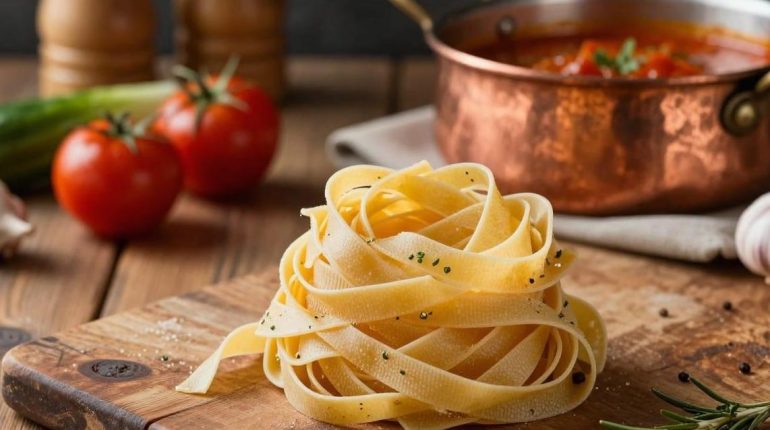
Ragù alla Bolognese, a true emblem of Bologna, is traditionally accompanied by fresh tagliatelle whose wide ribbons hold every bit of smooth sauce. This perfect alliance between pasta and simmered meat illustrates the Italian culinary philosophy: prioritizing the quality of associations rather than the multiplication of components. Inexpensive meats, seasonal vegetables, tomatoes, and aromatic herbs are transformed through slow cooking into a dish of unsuspected richness.
Ragù’s universality transcends borders. From authentic trattorias in Rome to family kitchens in Sydney, this classic adapts to local terroirs while retaining its comforting soul. The aromas escaping from the pot during simmering create an almost ritual anticipation, reminding us that certain dishes possess the rare power to transform a simple meal into a memorable moment of sharing.
The Secrets Of An Authentic Recipe
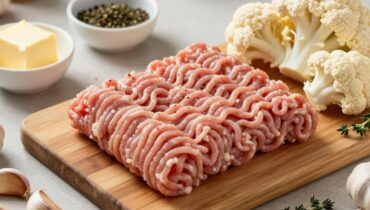
Success in a ragù relies on a rigorous selection of simple but essential ingredients. For four people, count 400 grams of tagliatelle or pappardelle, 500 grams of ground beef (or a beef-pork mix), and the Italian soffritto: finely chopped onion, carrots, and celery that form the indispensable aromatic base of any authentic Mediterranean sauce.
Canned crushed tomatoes (400 grams) provide the necessary balanced acidity, while tomato paste intensifies the depth of flavor. Beef broth extends the preparation without diluting its flavors, and optional red wine adds that tannic complexity characteristic of traditional ragùs. Dried oregano and basil scent the whole, before the final touch of grated parmesan and fresh parsley awaken every bite.
This intrinsic flexibility of ragù constitutes its true culinary genius. Depending on market availability, dietary regimes, or taste preferences, every cook can adapt the proportions and substitute certain ingredients while preserving the essence of the dish. Peppers add a vegetable sweetness, veal brings finesse, and even fresh pasta can give way to dry versions without compromising the final result. This adaptability explains why ragù crosses eras and continents without losing its fundamental identity.
Step-By-Step Technique For A Perfect Result
Mastery of ragù lies in a rigorous sequential cooking where each step builds the next. Start by sweating the soffritto in olive oil until the vegetables release their aromas and become translucent. Then add the ground meat and let it caramelize without constant stirring: this Maillard reaction develops the deep and complex notes that characterize a successful ragù.
Once the meat is browned, stir in the minced garlic and tomato paste, letting them cook for two minutes to eliminate their natural bitterness. Deglazing with red wine is then the decisive step: pour it in all at once, vigorously scrape the caramelized juices from the bottom of the pot, and let the alcohol evaporate completely to keep only that balanced acidity that structures the sauce.
Add the crushed tomatoes and broth, then reduce the heat to minimum. Prolonged simmering radically transforms the preparation: 45 minutes are enough for an honorable result, but two hours of gentle cooking allow the flavors to meld, the vegetables to partially dissolve, and the sauce to acquire that incomparable velvety texture. When serving, mix the drained pasta directly into the sauce, adding a few spoonfuls of reserved cooking water: the starch acts as a natural emulsifier and guarantees perfect adherence between each tagliatelle ribbon and the preparation.
Keys To Success And Adaptations
This proven technique is further perfected with a few strategic adjustments. The combination of several ground meats — beef for structure, pork for fat, veal for finesse — creates an aromatic depth impossible to obtain with a single variety. This ancestral Bolognese tradition compensates for the taste limits of a single meat through the complementarity of textures and flavors.
Progressive seasoning is the second golden rule: rather than salting heavily at the start of cooking, adjust gradually during simmering. Reduction naturally concentrates flavors, and what seems bland after thirty minutes can become too salty after two hours. Taste regularly and correct sparingly.
Before draining your pasta, systematically take a cup of cooking water. This starch-loaded liquid gold transforms a sauce that slides off the noodles into a perfectly bound ensemble where every bite captures the sauce. Add it spoon by spoon until the ideal creamy consistency is reached.
As for the choice of pasta, fresh tagliatelle offer an incomparable tenderness that pairs wonderfully with ragù, but quality dry versions — with their slightly rough texture — catch the sauce just as effectively. The essential lies in the width of the ribbons: the wider they are, the better they hold this generous preparation that deserves to be savored in every bite.