📌 Poppy seed brioche buns: the ramekin technique for a perfectly soft crumb
Posted 1 February 2026 by: Admin
A New Generation Brioche: The Poppy Seed Bun Reinventing Tradition
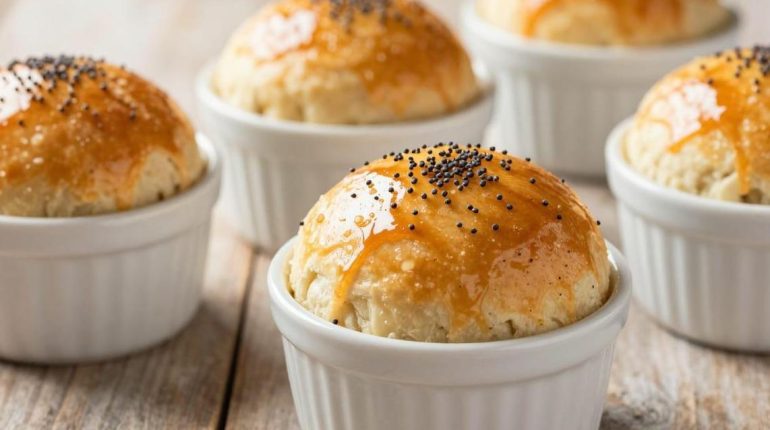
In the world of artisanal bakery, a recipe is currently causing a sensation by combining the heritage of the French mini brioche with an unexpected contemporary touch. These milk and poppy seed buns are directly inspired by the classic brioche while offering a resolutely modern approach: individual baking in ramekins that guarantees a perfect shape and a presentation worthy of the finest tables.
The characteristic richness of these buns comes from a meticulously balanced alliance of milk, butter, and eggs. This trinity of ingredients, a pillar of the brioche tradition, produces an airy and delicate crumb enhanced by the aromatic subtlety of poppy seeds. Unlike traditional brioches baked in loaf pans, these individual buns develop a uniform golden crust over their entire surface, creating a striking textural contrast with the soft interior.
Their versatility is a major asset: served warm for breakfast with butter and jam, offered during an elaborate brunch, or accompanying cheeses and charcuterie, these buns adapt to all occasions. Baking in individual ramekins also facilitates service and allows for precise portion control, while maintaining that brioche generosity that melts the taste buds.
The Secret Formula for an Airy Crumb: Decoding the Key Ingredients
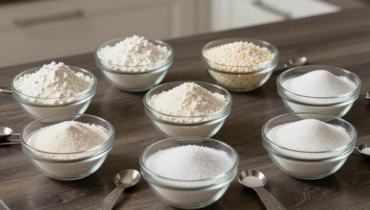
This brioche texture that characterizes these buns relies on a precise and balanced formula where each ingredient plays a decisive role. The structural base consists of 3 cups of all-purpose flour enriched with 2 tablespoons of poppy seeds, the latter bringing a subtle nutty note that runs through every bite.
The sugar dosage, set at ¼ cup of granulated sugar, establishes a delicate balance: present enough to feed the yeast and provide a measured sweetness, without ever tipping into excessive sugariness. This restraint allows the poppy seeds to fully express their aromatic character while preserving the bread’s versatility.
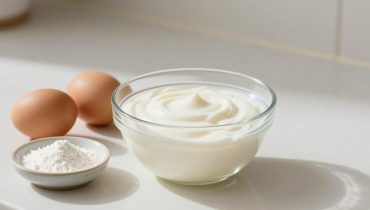
The true revelation lies in the use of 80 grams of softened unsalted butter combined with 2 whole eggs at room temperature. This association creates a rich emulsion which, once incorporated into the dough, generates that honeycomb structure so prized in artisanal brioches. The perfectly softened butter integrates without resistance while the tempered eggs guarantee a homogeneous bond with the other components.
The dry yeast, dosed at 2½ teaspoons, is activated thanks to half a cup of milk maintained at exactly 43°C. This critical temperature constitutes the ideal balance point: warm enough to wake up the microorganisms, sufficiently tempered not to destroy them. Half a teaspoon of salt finally reveals all the flavors, establishing a necessary contrast that magnifies the natural sweetness of the dough.
Yeast Activation: The First Crucial Step Revealed
This initial phase conditions the entire rising process and determines the final success of the buns. In a small bowl, the warm milk at 43°C welcomes the dry yeast and one tablespoon of sugar taken from the total amount. This sugar is not accidental: it immediately feeds the microorganisms and accelerates their awakening, creating optimal conditions for their multiplication.
The motion consists of stirring gently until complete dissolution, without excessive brutality that could damage the still fragile yeast cells. The milk temperature requires particular vigilance: one degree too many risks weakening the ferments, while insufficient warmth considerably slows down their activation. A kitchen thermometer eliminates any guesswork.
After this first mix, observation replaces action. During the following 10 minutes, the surface of the liquid gradually transforms: fine bubbles first appear timidly, then multiply until they form a creamy and airy foam. This foamy appearance is the infallible visual indicator that the yeast is alive and actively developing.
Without this confirmation, continuing the recipe would mean working with dead yeast, condemning the dough to remain flat and dense. This preliminary step, often neglected out of impatience, actually represents the very foundation of the sought-after airy texture, preparing the ground for the methodical incorporation of the other ingredients.
Golden and Shiny Finish: The Secrets of a Perfect Crust
Once the dough is shaped and placed in the ramekins, the final transformation takes place through two complementary technical gestures that distinguish an artisanal creation from an ordinary production. The first consists of preparing an egg wash by lightly beating an egg yolk with a tablespoon of milk, creating a fluid and homogeneous mixture. This emulsion, delicately brushed onto the surface of the buns before baking, guarantees that characteristic golden hue of professional brioches.
But the true signature of these buns lies in the second, less conventional gesture: a drizzle of oil before putting them in the oven. One to two tablespoons are enough, poured in a steady stream over the top of the dough pieces. This ancestral technique, from traditional bakeries, intensifies the shine of the crust while promoting uniform baking. The oil creates a protective barrier that prevents excessive drying of the surface during exposure to the intense heat of the oven.
The meeting between the heat, the milk wash, and the oil produces that lustrous and crispy crust that cracks under the tooth before revealing the soft crumb. This contrast of textures, combined with the subtle aroma of poppy seeds, composes the sought-after sensory experience. Served warm with semi-salted butter that melts slowly, accompanied by an artisanal jam or a matured cheese, these buns fully reveal their brioche character and gastronomic potential.