📌 Pomelo gratin with crumble: the gourmet recipe that transforms the bitter citrus into a melting dessert in 50 minutes
Posted 31 January 2026 by: Admin
A Tangy Dessert That Surprises
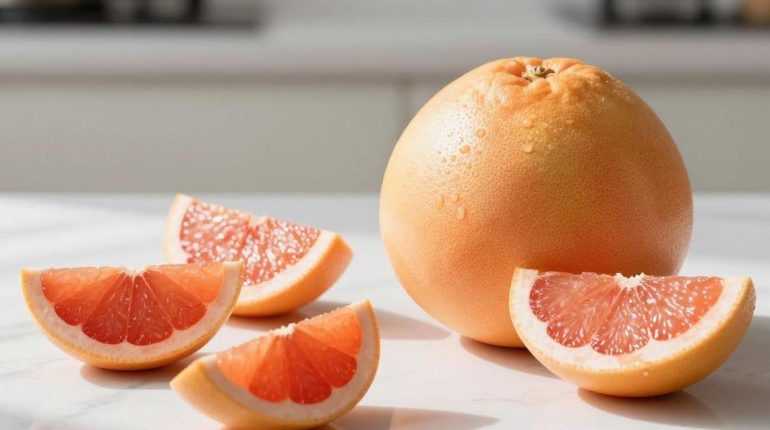
The pomelo invites itself into the kitchen in an unexpected version that shakes up the codes of the gratin dessert. Far from the everlasting red fruit or apple preparations, this creation marries the vivid freshness of citrus with the comforting sweetness of a creamy base topped with a crunchy crumble.
The audacity lies in this assumed contrast: the characteristic acidity of the pomelo, often relegated to diet breakfasts, here becomes the major asset of a sophisticated pastry. In just 50 minutes flat – including 20 minutes of effective preparation – four guests discover a dessert that transforms a neglected citrus fruit into a gourmet star.
This recipe appeals as much for its speed of execution as for its originality. No complex technique hinders its realization: preheating the oven to 180°C, cutting the pulp, whisking the mixture, and assembly follow one another in a fluid choreography. The result defies expectations: a refined pastry creation accessible to beginner cooks, where each spoonful reveals the tangy persistence of the pomelo wrapped in a velvety vanilla cream, all enhanced by the sandy texture of the almond crumble. A dessert that proves that culinary audacity sometimes begins with a simple change of ingredient.
The Homemade Crumble Technique Demystified
This crunchy layer that crowns the gratin rests on a formula as minimalist as it is effective: 80 grams of almond powder, 25 grams of soft butter, and 25 grams of sugar. Only three ingredients, no sophisticated equipment required. The crucial gesture boils down to kneading and then crumbling – this action that transforms a compact dough into irregular grains promising the sought-after crunch.
Almond powder plays a strategic double role. First, it brings that sandy texture characteristic of a successful crumble, much more structured than simple flour. Above all, it introduces a subtle aromatic note that dialogues with the lemony pulp without ever overwhelming it. Soft butter – and not melted – guarantees this sought-after friability: too liquid, it would produce a compact dough; too cold, it would refuse to amalgamate correctly.
The beauty of this preparation lies in its timing. While the oven reaches 180°C, fingers calmly knead and crumble without haste. No prior baking of the crumble is necessary: it will brown directly on the creamy mixture during the twenty minutes in the oven. This simultaneity of steps transforms what might seem intimidating into a fluid succession of simple gestures. The result? A golden topping where each grain cracks under the tooth before melting, releasing its toasted almond scent that envelops the tangy freshness of the pomelo.
The Creamy Mixture: Balance Between Sweetness And Citrus
Before the magic of assembly takes place, the pomelo requires precise preparatory work. Peeling the citrus is not enough: all traces of the white membrane must be removed, that bitter film that would ruin the taste balance. Only the pulp – generous, juicy, slightly tangy – deserves its place in the ramekins. This meticulous step conditions the final success: each segment must reveal its translucent flesh, freed from any fibrous texture.
The mixture that will coat these citrus segments rests on a creamy trinity: 300 milliliters of thick crème fraîche, two eggs, and three sachets of vanilla sugar. The whisk transforms these ingredients into a smooth preparation which, once poured into the ramekins, will envelop each piece of pomelo without crushing it. The thick cream – not liquid – guarantees this silky consistency that will not fall during cooking.
These three sachets of vanilla sugar constitute the real aromatic conductor. Their role goes beyond the simple sweetening function: the vanilla softens the natural acidity of the pomelo while highlighting its lemony notes. Too little, and the bitterness would dominate; too much, and the vivid character of the citrus would disappear. This calculated proportion creates a subtle dialogue between the freshness of the fruit and the milky roundness of the mixture.
Once the crumble is sprinkled on this creamy base, twenty minutes at 180°C are enough. The heat sets the mixture into a light custard that oscillates between flan and set cream, while the top browns and crunches. Lukewarm, the gratin reveals the melting texture of the mixture; cold, it gains firmness while preserving its soft center.
Seasonal Variations And Secrets Of Success
This culinary architecture is not limited to winter pomelo. Anne Kerouédan, creator for Cniel, reveals a summer tip that radically transforms the experience: substitute the citrus fruit with apricots. The structure remains identical – same creamy mixture, same crumble – but the stone fruit brings its velvety sweetness and sunny scent. The vivid acidity of the pomelo then gives way to a rounder smoothness, while maintaining this gustatory tension between the crunchy and the melting.
The two tablespoons of flaked almonds mentioned in the ingredient list do not appear in the realization steps, suggesting a final decorative function. Sprinkled on the crumble before baking or toasted separately for a visual contrast, they add an extra textured dimension – a crunch that extends the experience in the mouth beyond the crumble layer.
The temperature of 180°C is a strategic choice. Higher, it would caramelize the sugar on the surface too quickly and harden the mixture; lower, it would prolong the cooking at the risk of drying out the fruit. This moderate heat preserves the volatile aromas of the pomelo – or any other chosen fruit – while allowing the progressive coagulation of the mixture without brutality.
Beyond the apricot, this recipe welcomes poached pears, fresh figs, or blood orange segments. Each fruit imposes its own character on the vanilla mixture, transforming this gratin into a true seasonal canvas where the technique remains constant but the flavors are renewed over the months.