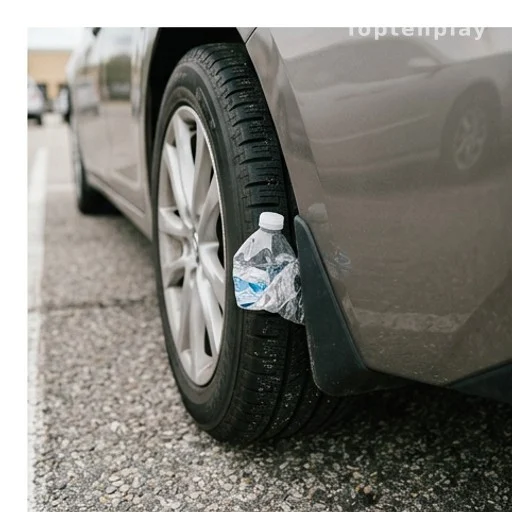
The moment you start driving, the bottle is crushed and scraped by the rotating tire, producing a loud crinkling or clicking sound. To most drivers, the noise immediately suggests a flat tire, a loose part, or serious mechanical trouble.
That reaction is exactly what the criminals are counting on. The sound is engineered to trigger panic and prompt you to pull over as quickly as possible — ideally somewhere quiet, away from other people.
Once you step out to inspect the wheel, the trap closes. Thieves waiting nearby move in to steal your purse, wallet, or phone from the front seat, rob you directly, or attempt to take the vehicle itself.
Three crimes in one: theft, robbery, and carjacking are all possible outcomes
The plastic bottle tactic is versatile, which makes it particularly dangerous. Depending on the criminal’s intent and opportunity, the outcome can range from a stolen bag to a violent confrontation.

In the most common scenario, the driver steps away from an unlocked or open vehicle long enough for a thief to grab valuables from the front seat. A phone left on the passenger seat or a wallet in the centre console can disappear in under ten seconds.
In more aggressive cases, the person who gets out is robbed directly — threatened or physically confronted while standing next to their own car. The isolated setting, often chosen deliberately by the criminals who placed the bottle, works in their favour.
The most serious outcome is a carjacking. With the driver distracted and already outside the vehicle, taking the car by force becomes significantly easier. Law enforcement treats all three scenarios as real and documented risks associated with this method.
A low-tech tactic with serious consequences
This method requires no tools, no technical skill, and no confrontation to set up — just an empty bottle and a parked car. It has been flagged by law enforcement agencies as part of a broader category of distraction-based vehicle crimes, which also include staged accidents and fake roadside emergencies. Awareness is currently the most effective form of prevention.
Suggested Posts
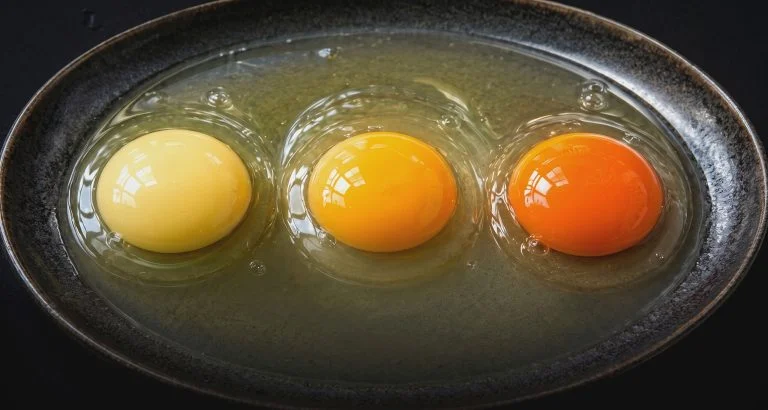
Egg yolk color doesn’t reveal what you think about your chicken
A deep orange egg yolk is widely taken as a sign of a healthier chicken and a more nutritious egg. That assumption is largely…