Understanding Plantar Fasciitis: The Root Of Morning Heel Agony
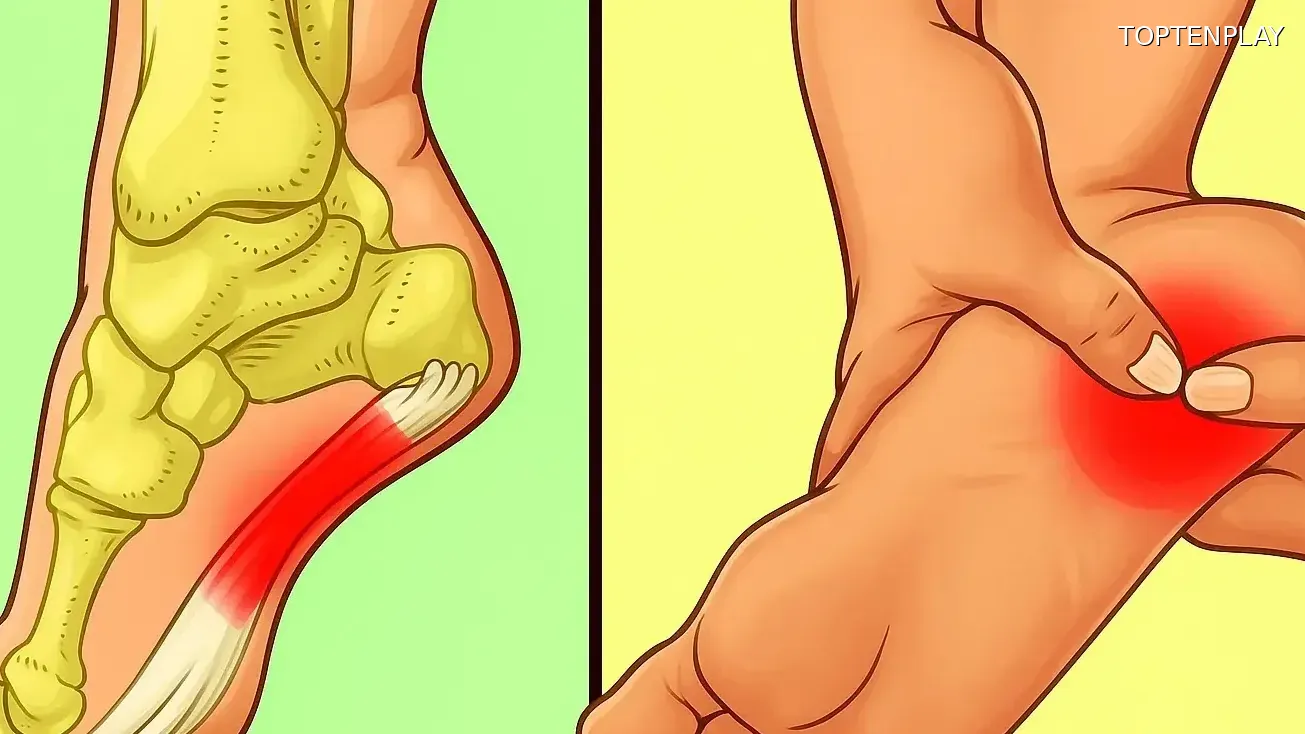
Waking up unable to take a single step without sharp, stabbing pain in your heel? You’re likely experiencing plantar fasciitis — one of the most common yet misunderstood foot conditions affecting millions worldwide. The culprit lies in the plantar fascia, a thick ligament running along the bottom of your foot that supports your arch. When this crucial tissue becomes irritated or overstressed, it triggers the intense discomfort that makes those first morning steps feel unbearable.
The condition doesn’t develop overnight. Repetitive strain, excessive standing, intense running, or simply wearing unsupportive shoes gradually inflames this ligament until pain becomes impossible to ignore. Runners, people who spend hours on their feet at work, and those in constant motion face the highest risk. What makes plantar fasciitis particularly frustrating is its timing — pain intensifies in the morning after prolonged rest, or after long periods of sitting, as the fascia tightens overnight.
Left untreated, this condition progresses from occasional discomfort to chronic pain that infiltrates every aspect of daily life. Simple activities like climbing stairs, walking to your car, or standing through a meeting transform into ordeals. The good news? Targeted exercises combined with consistent daily care can reverse the damage and prevent future flare-ups. Early intervention through proper stretching and strengthening isn’t just beneficial — it’s essential for restoring your mobility and reclaiming pain-free movement.

Targeted Stretching Exercises: Releasing Tension At The Source
Now that you understand why plantar fasciitis develops, the path forward becomes clear: strategic stretching addresses the root tension plaguing your feet. The most effective recovery starts with simple, accessible movements that directly target the inflamed tissue and surrounding muscles.
The towel stretch offers an excellent entry point. Sit with your legs extended, loop a towel around the ball of your foot, and gently pull toward you for 15–30 seconds. Repeat 2–3 times to gradually increase flexibility in both your calf and plantar fascia. This single movement creates immediate relief by reducing the tension that accumulates overnight.
Tight calves amplify pressure on the plantar fascia, making the calf stretch essential to your recovery routine. Stand facing a wall, step one foot back with heels flat, and bend your front knee while keeping the back leg straight. Hold 15–30 seconds per side, repeated 2–3 times. The pressure dissolves as you consistently loosen these muscles.
For direct engagement with the inflamed tissue itself, the plantar fascia stretch demands attention. Sit in a chair, cross one foot over the opposite knee, and gently pull your toes toward you. You’ll feel the stretch bloom along your entire arch. Hold this position for 15–30 seconds, repeating 2–3 times per side.
The ball roll acts as self-massage therapy. Place a tennis ball, golf ball, or frozen water bottle under your arch while sitting, then roll slowly back and forth for 1–2 minutes. Perform this several times daily, particularly after standing or exercise. This technique breaks up tension and reduces inflammation without requiring professional equipment. These four foundational stretches form the cornerstone of home treatment, delivering measurable progress within days.
Strengthening Movements: Building Long-Term Foot Resilience
While stretching relieves immediate discomfort, strengthening exercises ensure your feet remain resilient against future flare-ups. These movements target the smaller muscles that stabilize your arch, creating a foundation that prevents pain from returning.
Toe taps build strength where it matters most—in the tiny muscles supporting your arch. Sit with feet flat on the floor, lift your toes upward toward your shin while keeping heels grounded, then relax. Complete 10–15 repetitions across 2–3 sets. This deceptively simple movement activates muscles that directly counteract plantar fascia strain.
The foot flex and point exercise expands ankle flexibility while engaging the muscles surrounding your arch. Sit with legs extended, flex your toes toward your shin for 5 seconds, then point them forward for another 5 seconds. Repeat 10–15 times per foot. This coordinated movement strengthens supporting muscles while improving the mobility that distributes pressure evenly across your foot.
Ankle circles complete the strengthening trio by boosting overall ankle mobility. Extend one leg in front of you and slowly rotate your ankle 10 times clockwise, then 10 times counterclockwise. Switch feet and repeat. This circular motion trains your ankle to move through its full range, reducing compensatory stress on the plantar fascia.
Incorporating these three exercises into your daily routine—requiring just minutes of commitment—transforms your feet from vulnerable to resilient. Combined with the stretching techniques you’ve already mastered, you’ve now assembled a comprehensive approach that addresses both immediate relief and lasting prevention.
Beyond Exercise: When Professional Help Becomes Essential
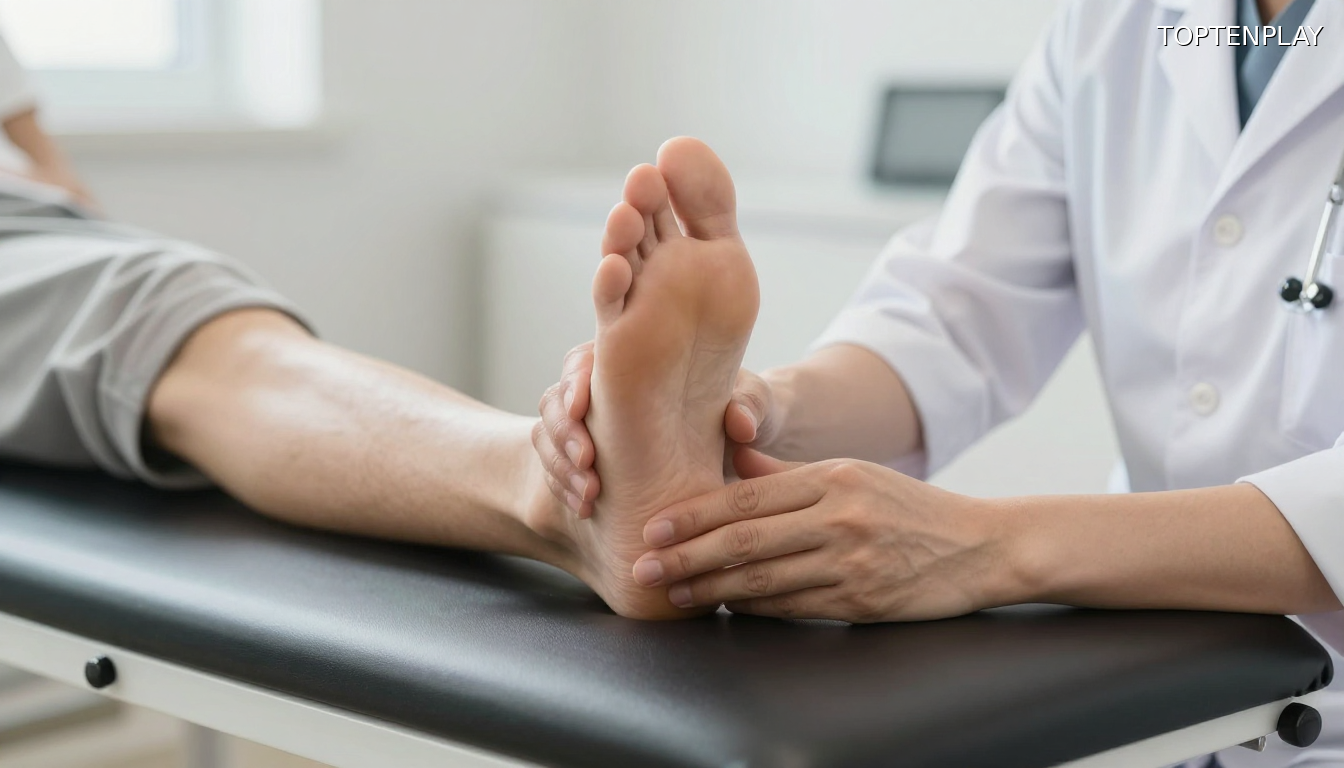
While daily exercises form the cornerstone of recovery, knowing when to escalate your care proves equally important. If heel pain persists after several weeks of consistent stretching and strengthening, professional consultation becomes necessary rather than optional.
A healthcare provider or physical therapist can assess whether your condition requires interventions beyond home treatment. Custom orthotic shoe inserts address biomechanical imbalances that exercises alone cannot correct. Night splints maintain the plantar fascia in a stretched position during sleep, preventing the stiffness that causes morning pain. Targeted physical therapy sessions identify compensatory movement patterns that perpetuate inflammation.
For stubborn cases, advanced treatments offer relief when conservative measures plateau. Shockwave therapy stimulates tissue healing through acoustic waves, while corticosteroid injections reduce inflammation directly at the source. These options exist not as replacements for exercise but as supplements when your body needs additional support.
Prevention strategies extend your recovery beyond the clinic. Prioritize footwear with proper arch support and cushioning—worn shoes amplify plantar fascia stress. Avoid prolonged barefoot walking on hard surfaces. Maintain a healthy weight to reduce downward pressure on your feet. Continue stretching before and after workouts, even after pain subsides.
Healing demands patience and consistency. By dedicating minutes daily to these exercises while respecting your body’s signals, you create sustainable relief that lasts far beyond your initial recovery.