📌 Philly Cheesesteak Dip: the creamy recipe that transforms the cult sandwich into a party dish ready in 50 minutes
Posted 13 March 2026 by: Admin
The Gourmet Transformation Of An American Classic
The Philly cheesesteak sandwich, a monument of American street food, is taking a new culinary step. This bold recipe transforms the iconic sandwich into a shareable dip ready in 50 minutes, preserving the authenticity of the original flavors while adopting a resolutely convivial format.
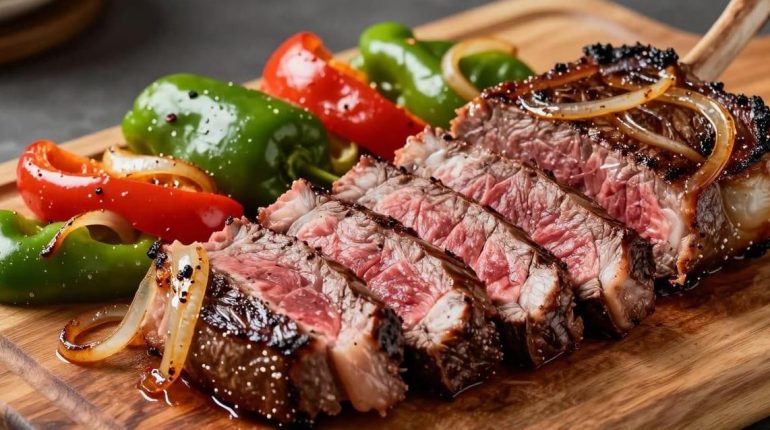
The strategic alliance of thinly sliced ribeye, crunchy green peppers, caramelized onions, and melting provolone rests on a creamy base of cream cheese and sour cream. Worcestershire sauce and smoked paprika enhance the whole, faithfully recreating the flavor profile of Philadelphia’s cult sandwich. This fusion scrupulously respects the codes of the traditional cheesesteak: tender meat, flowing cheese, and perfectly sautéed vegetables.
The approach differs radically from the classic sandwich through its collective format. Where the cheesesteak is enjoyed individually, this dip gathers everyone around a central dish. The iconic ingredients turn into a smooth, creamy texture, perfect for dipping crostini, tortilla chips, or celery sticks. Baking in the oven at 400°F transforms the components into a bubbly preparation topped with a layer of golden provolone.
This reinvention follows a precise logic: to maintain the aromatic intensity of the original sandwich while facilitating sharing during gatherings. The calculated proportions guarantee the balance between cheesy richness and meaty flavor, creating a taste experience that instantly evokes the Philadelphia classic.
The Technique For Perfectly Sliced Ribeye
The excellence of this dip relies on meticulous meat preparation, well before cooking. The professional technique consists of placing the ribeye in the freezer for exactly 20 minutes. This crucial step firms the meat without freezing it, allowing for ultra-thin slicing impossible to achieve on soft meat. The resulting slices measure barely a few millimeters, ensuring fast cooking and harmonious integration into the creamy base.
This precise cutting radically transforms the final texture. Thick pieces would create an uneven consistency and require prolonged cooking time, altering the dip’s balance. The thin slices cook in four to five minutes in melted butter, quickly absorbing the smoked paprika and Worcestershire sauce. The meat soaks up the aromas without hardening, retaining its characteristic tenderness while developing that light caramelization reminiscent of the griddles at authentic Philadelphia stands.
The uniform cutting of the vegetables follows the same logic of efficiency. Finely chopped peppers and onions cook simultaneously in three minutes, creating a homogeneous aromatic base. This uniformity facilitates serving: each portion contains the same distribution of meat, vegetables, and cheese. Minced garlic integrates into the preparation in just 30 seconds, diffusing its fragrance without dominating.
This technical rigor ensures that every spoonful delivers the complete cheesesteak experience, with that melting texture that pairs perfectly with the cheeses during the final oven bake.
The Strategic Four-Step Assembly
This rigor in cutting finds its purpose in a methodical assembly process that structures the dip’s creation. The first phase consists of searing the vegetables in a tablespoon of melted butter, establishing an aromatic base in exactly three minutes. Peppers and onions release their juices before the garlic is added, creating that flavor foundation that characterizes any good cheesesteak. The pan, wiped between each step, then receives the prepared meat in fresh butter, avoiding any fat saturation.
The second phase transforms the softened cream cheese into a smooth base using an electric mixer. This prior aeration ensures the absence of lumps when the sour cream and mayonnaise join the mixture. The resulting perfectly smooth texture receives the hot ingredients from the pan without resistance. Incorporation is done by delicate folding, preserving the pieces of meat and vegetables while uniformly distributing half of the shredded provolone.
The third phase sees the transfer into the greased dish, spread in an even layer to ensure homogeneous cooking. The remaining cheese covers the surface, creating that characteristic golden crust. The oven preheated to 400°F hosts the assembly for 15 to 20 minutes, during which the dip becomes bubbly and the cheeses fuse completely.
The final fourth phase, often neglected, makes all the difference: a two-minute pass under the broiler caramelizes the provolone on the surface. This finish brings textural contrast and professional presentation, transforming a simple dip into a creation worthy of the best tables.
Adaptations And Service For All Occasions
This technical mastery opens the way to remarkable versatility that transforms the dip according to circumstances. The game day version integrates chopped jalapeños or red pepper flakes during the vegetable cooking phase, creating that spicy dimension that electrifies sports nights. Provolone partially gives way to sharp cheddar, bringing a contrasting acidity that redefines the flavor balance. For vegetarian tables, golden mushrooms replace the ribeye without compromising the dish’s characteristic umami depth.
Dried Italian herbs, oregano and basil, breathe a Mediterranean hoagie identity when they join the onions in the pan. This simple modification repositions the dip toward unexpected culinary territories while maintaining its fundamental creamy structure. Presentation in a hollowed-out round bread transforms the service into an interactive experience where each guest tears off their portion of crust to scoop up the melted cheese.
Storage extends the dip’s utility well beyond its initial creation. Five days in the refrigerator in an airtight container, four months in the freezer in a suitable container. Slow overnight thawing preserves the integrity of the textures before reheating in a covered oven, restoring that initial bubbly character without drying out. Anticipated assembly, refrigerated several hours before cooking, drastically simplifies reception organization.
Lightened substitutions replace cream cheese and sour cream with Greek yogurt, while low-fat mayonnaise maintains the necessary creaminess. These nutritional adjustments preserve the essentials while meeting contemporary dietary constraints.