People with urinary tract infections, open wounds on the feet, or weakened immune systems may want to exercise more caution. These are not hypothetical edge cases — they represent real circumstances where the standard reassurance of «it’s mostly harmless» may not fully apply.
Water savings and convenience: the practical case people make
Beyond the health debate, proponents of the habit point to environmental and practical arguments. Skipping a toilet flush saves roughly six to nine liters of water per use, depending on the toilet model. For people already in the shower, the logic of combining the two actions has a certain efficiency to it.
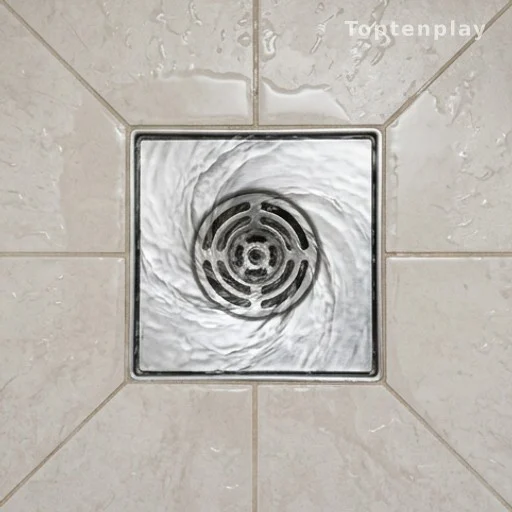
The toilet paper argument is simpler: no flush, no paper. In households focused on reducing waste or managing costs, this is a minor but real consideration.
These practical points do not override hygiene factors, but they explain why the habit persists and why many people see it as a reasonable, low-stakes choice rather than a lapse in cleanliness. The key, as with most hygiene habits, lies in context: who is using the shower, how often it is cleaned, and whether any specific health conditions are in play.
The more pressing open question is how public health messaging around everyday hygiene habits keeps pace with updated microbiological research. As shared spaces — gyms, co-living arrangements, short-term rentals — become more common, guidance on what is genuinely low-risk versus context-dependent will matter more. Whether any health authority moves to issue clearer recommendations on the topic remains to be seen.
Suggested Posts

Egg yolk color doesn’t reveal what you think about your chicken
A deep orange egg yolk is widely taken as a sign of a healthier chicken and a more nutritious egg. That assumption is largely…