📌 Peanuts: How This Legume Lowers Cholesterol and Stabilizes Blood Sugar Better Than You Think
Posted 8 December 2025 by: Admin
Peanuts: The Nutritional Powerhouse Hiding In Plain Sight
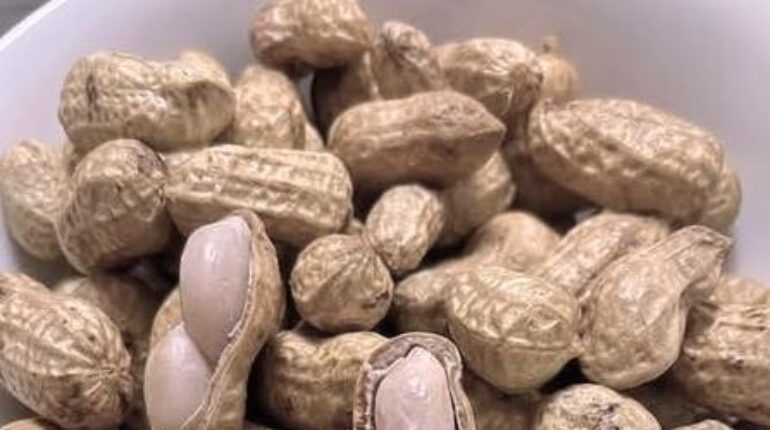
For decades, peanuts have been dismissed as mere snack fodder—convenient fuel for movie nights and sporting events. Yet this perception fundamentally misses what makes these legumes remarkable. Despite their botanical classification as legumes, peanuts boast a nutritional profile that rivals tree nuts like almonds and cashews, delivering a dense combination of plant-based protein, healthy fats, fiber, vitamins, and minerals in every handful.
The numbers tell the story. A single handful provides up to 7 grams of plant-based protein, making peanuts an invaluable ally for vegetarian and vegan diets requiring whole-food protein sources. But protein represents just one dimension of their nutritional arsenal. The majority of peanut fat content comes from unsaturated varieties—both monounsaturated and polyunsaturated—compounds recognized for supporting cardiovascular function, hormone production, and nutrient absorption.
Beyond macronutrients lies an equally impressive micronutrient profile. Peanuts deliver substantial quantities of vitamin E, a potent antioxidant protecting cells from oxidative damage, alongside B-complex vitamins including niacin, folate, and B6 that fuel metabolism and brain function. Their mineral composition—magnesium, phosphorus, potassium, calcium, and iron—underpins bone health, energy production, and oxygen transport throughout the bloodstream.
Perhaps most intriguingly, peanuts contain bioactive compounds like resveratrol, the same heart-protective substance found in red wine, alongside flavonoids and lecithin. These components work synergistically to reduce oxidative stress and support cellular wellness. What appears on the surface as a humble, affordable snack reveals itself upon closer examination as a nutrient-dense superfood capable of meaningfully supporting overall health.
Five Science-Backed Ways Peanuts Protect Your Health
With their impressive nutritional foundation established, peanuts translate raw nutrients into tangible health benefits that extend far beyond basic sustenance. The science reveals how this humble legume functions as a strategic ally in preventing chronic disease and optimizing bodily function.
Cardiovascular protection emerges as perhaps the most compelling advantage. Peanut consumption directly combats the mechanisms underlying heart disease. Regular, moderate intake increases HDL cholesterol—the beneficial kind that clears arterial buildup—while simultaneously reducing LDL cholesterol, its harmful counterpart. The resveratrol and vitamin E present in peanuts further suppress inflammation, a critical driver of cardiovascular decline.
The weight management paradox deserves particular attention. Despite their calorie density, peanuts paradoxically support appetite control through a synergistic mechanism: protein, fat, and fiber combine to extend satiety signals, reducing overall caloric intake and preventing weight gain when consumed mindfully.
Blood sugar regulation presents another underappreciated benefit. Peanuts possess a low glycemic index, meaning they exert minimal impact on glucose levels—a critical advantage for individuals managing diabetes or metabolic health.
The digestive system similarly benefits from peanut consumption. Fiber content promotes regular bowel movements, feeds beneficial gut bacteria, and reduces constipation risk. This microbiome support increasingly appears central to long-term wellness across multiple health domains.
Finally, the combination of B vitamins, magnesium, and protein delivers sustained energy while supporting cognitive function. Emerging research suggests regular consumption may reduce risk of gallstones, cardiovascular disease, and age-related oxidative damage—positioning peanuts as preventative medicine disguised as snack food.
The Dark Side: Critical Precautions You Must Know
Yet beneath peanuts’ nutritional promise lies a reality that demands respect and vigilance. While their health benefits are substantial, potential risks require careful navigation to ensure safe consumption.
Peanut allergies represent the most serious concern—reactions can escalate from mild itching to life-threatening anaphylaxis within minutes. Anyone with a confirmed allergy must maintain complete avoidance, as cross-contamination poses genuine danger.
Portion control emerges as a practical necessity despite peanuts’ satiety advantage. A standard serving measures precisely 1 ounce (28 grams)—roughly one small handful—a modest quantity that prevents calorie accumulation and digestive strain from overconsumption.
Aflatoxin contamination presents an often-overlooked hazard. These toxic compounds develop in moldy or improperly stored peanuts, causing serious health consequences when ingested. Vigilance regarding product freshness and storage conditions proves essential; any musty odor or visible deterioration demands immediate discard.
Specific populations require additional caution. Individuals managing gout should limit intake due to purine content, while those taking certain medications may experience interactions. Consulting a healthcare professional before integrating peanuts into regular consumption provides necessary personalized guidance.
Processing matters significantly. Roasted, unsalted varieties deliver superior health outcomes compared to heavily salted or sugar-coated alternatives. Peanut butter selections should prioritize products with minimal added sugars and oils, preserving nutritional integrity.
These precautions need not discourage consumption—rather, they establish the responsible framework within which peanuts become genuinely beneficial allies rather than sources of harm.
From Stir-Fry To Dessert: Maximizing Peanuts In Your Daily Diet
With safety precautions firmly established, the real opportunity emerges: transforming peanuts from occasional snack into a deliberate dietary staple. Their culinary versatility extends far beyond the simple handful, offering practical pathways to consistent, enjoyable consumption.
The applications span entire meal categories. As snacks, raw or roasted varieties provide immediate nutrition, while peanut butter on toast or homemade energy balls deliver sustained satisfaction. In savory cooking, peanuts elevate stir-fries, noodle dishes, and curries with textural contrast and depth. Their presence in traditional preparations—Brazil’s paçoca and pé-de-moleque—demonstrates centuries of cultural integration that transcends modern health trends.
Salads and grain bowls benefit equally from crushed peanuts, offering both protein reinforcement and satisfying crunch that encourages consumption of nutrient-dense vegetables. Dessert applications, from peanut brittle to chocolate-peanut bars, prove that health-conscious eating need not sacrifice pleasure.
Quality selection determines outcomes. Roasted, unsalted varieties outperform heavily salted or sugar-coated alternatives in nutritional profile. Peanut butter deserves equal attention—products minimizing added sugars and oils preserve the legume’s inherent health properties while remaining genuinely palatable.
Experimentation with these options reveals a fundamental truth: peanuts integrate seamlessly into existing preferences rather than demanding dietary overhaul. Whether incorporated through single ingredients or traditional recipes, they transition from novelty to routine—the moment when genuine dietary change becomes sustainable.