📌 Oven racks: a baking soda paste and a bag are enough to eliminate grease without scrubbing
Posted 18 January 2026 by: Admin
The Revolutionary Method For Impeccable Racks
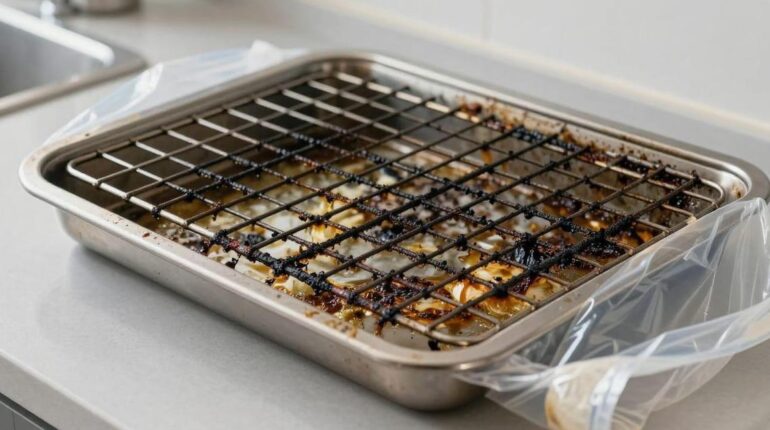
Oven racks accumulate a layer of burnt grease, carbonized cheese, and food residue that seems impossible to eliminate. After months of intensive cooking, they appear irretrievably doomed. However, a surprisingly simple technique allows them to be restored without physical effort or aggressive products.
This approach is based on a radical principle: letting time do the work rather than scrubbing desperately. Forget hours spent scraping, toxic fumes from industrial cleaners, and muscle fatigue. The airtight bag method transforms cleaning into a passive process where three natural ingredients dissolve dirt while you sleep.
The protocol consists of four steps: place the rack in a heavy-duty bag with a natural solution, seal hermetically, wait 8 to 12 hours, then simply rinse. Encrusted residues detach without resistance, revealing a sparkling surface. “No scrubbing. No toxic fumes. No stress,” perfectly summarizes this domestic revolution.
This technique disrupts traditional cleaning habits by relying on gentle chemistry and patience rather than brute force. Racks regain their original appearance without undergoing the aggressive abrasion of wire brushes which, in the long term, damage their protective coating. The true intelligence lies in the synergy created between the natural components which, once combined, develop remarkable degreasing power.
The Secret Ingredients And Their Degreasing Power
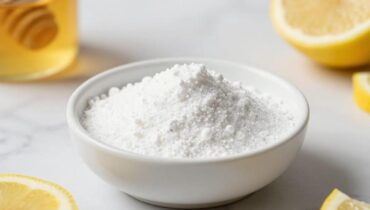
The strength of this method lies in a precise combination of three everyday products that, when assembled, create a powerful chemical reaction. Baking soda (½ cup) acts as a gentle abrasive and deodorizer, neutralizing stubborn odors while mechanically attacking carbonized residues. White vinegar or lemon juice (¼ cup) provides the necessary acidity to break down cooked fats and dissolve mineral deposits.
The addition of dish soap (1-2 tablespoons) completes the trio by specifically targeting grease molecules, dispersing them to facilitate their removal. This synergy transforms the mixture into an effervescent liquid paste whose foam penetrates every corner of the racks.
The trash compactor bag fulfills a strategic function: hermetically sealing the environment to maintain moisture and concentrate the chemical action. Without this seal, the solution would evaporate and lose its effectiveness. The created greenhouse effect intensifies the reaction between the components, accelerating the degradation of dirt.
Pro tip: a few drops of orange or tea tree essential oil add an antibacterial dimension while masking the smell of vinegar. Orange contains d-limonene, a natural solvent particularly effective against stubborn grease. This seemingly ordinary combination hides a sophisticated domestic chemistry that rivals industrial products without their drawbacks.
The Step-By-Step Effortless Protocol
Practical implementation begins by preparing the mixture in a bowl: pour in the baking soda, add the vinegar (the effervescent reaction is normal), then stir in the dish soap. Mix until you obtain a liquid paste consistency — neither too thick nor too fluid — that will adhere uniformly to the surface of the racks.
Spread the compactor bag flat on an old sheet or cardboard to protect the floor. Slide the cooled rack inside, then generously pour the solution over the entire surface, making sure to cover the dirtiest areas. Squeeze out residual air before hermetically sealing the bag — any leak would compromise the effectiveness of the soak.
The secret lies in the duration: 8 to 12 hours, ideally overnight, allow the cleaning agents to penetrate deeply into the carbonized layers. This patience transforms hard work into a passive process. For extremely dirty racks, place the bag in a slightly warm place like a laundry room — gentle heat accelerates the chemical reaction without requiring direct sunlight which could weaken the plastic.
Upon waking, put on gloves and carefully open the bag. Most residues now come off with a simple wipe of a damp sponge. Rinse thoroughly under running water — the dirt slides off without resistance. For the rare persistent stains, sprinkle a little dry baking soda and rub lightly with a non-abrasive sponge.
This linear process eliminates all technical complexity, making professional cleaning accessible to everyone.
Finishing Touches And Expert Tips
The drying process is the final step to guarantee an impeccable result. After rinsing, wipe the rack with a microfiber cloth to remove droplets. Then let it air dry completely for 15 to 20 minutes — any residual moisture would cause rust or white marks once the rack is reinstalled.
Before replacing the racks in the oven, preheat it empty at 200°F (95°C) for exactly 10 minutes. This final thermal evaporation drives out microscopic moisture that might have remained in the metal joints and corners. Turn off, let cool for a few minutes, then reposition the racks.
For particularly stubborn stains that may have resisted the overnight soak, never force them with metal tools that would scratch the coating. Instead, sprinkle a generous layer of pure baking soda directly onto the affected area, dampen slightly with a few drops of water to create a paste, then rub gently with a non-abrasive sponge in circular motions. The grainy texture of the baking soda acts as a natural polisher without damaging the metal.
This complete method transforms carbonized racks into sparkling surfaces without corrosive products or exhausting physical effort. Time replaces brute force — a cleaning philosophy that respects both your equipment and your respiratory health. Repeated every three to four months, it keeps an oven impeccable at all times.