📌 Oven-breaded chicken and curry rice: the complete recipe in 40 minutes flat
Posted 13 March 2026 by: Admin
Preparing The Crispy Chicken: The Foundation Of Success
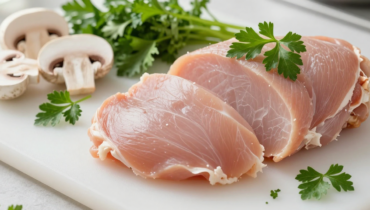
Everything starts with a simple but decisive gesture: cutting the escalope into two equal pieces. This step, often overlooked, guarantees even cooking and makes it easier to tenderize the meat. A few strokes with a mallet are enough to obtain a regular thickness, an indispensable condition for perfect crispiness.
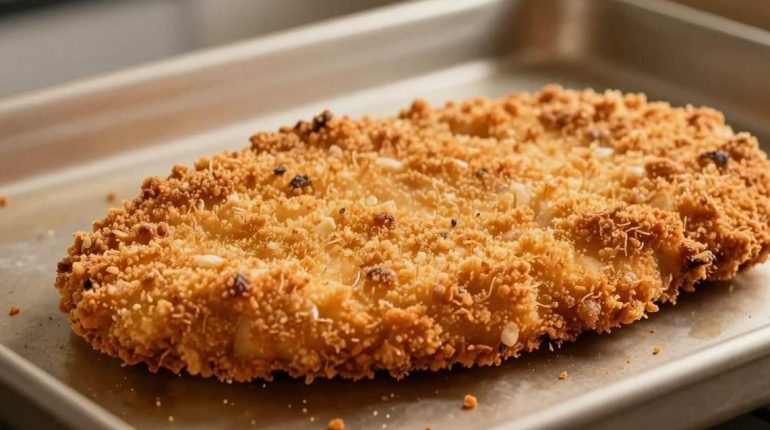
The homemade breading technique relies on a golden rule: three successive steps, no rushing. First the flour, which creates an adherent base. Then the beaten egg, which acts as a binder. Finally the breadcrumbs, which will form that highly sought-after golden crust. This traditional method completely eliminates the need for frying, making the dish lighter without sacrificing texture.
The oven preheated to 200°C then becomes the main ally. Twenty minutes flat: not a minute less, at the risk of a soft breading, not a minute more, to avoid drying out. On a lightly oiled baking sheet, the breaded pieces gradually transform, going from pale beige to appetizing golden brown. This oven cooking has a major advantage: it frees up your hands to simultaneously prepare the sauce, thus optimizing preparation time.
Temperature and duration are the two non-negotiable parameters of this success. Respected to the letter, they guarantee a chicken that is crispy on the outside, tender on the inside, ready to meet its fragrant companion.
The Curry Sauce: The Fragrant Soul Of The Dish
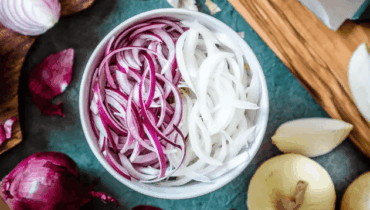
While the chicken is transforming in the oven, the vegetables take the stage. Carrots sliced into thin rounds, onion divided into generous quarters: this precise cutting directly influences the final texture of the sauce. The uniformity of the pieces guarantees simultaneous cooking, avoiding crunchy carrots or overly melting onions.
The heated oil welcomes these vegetables for an express sauté of one to two minutes maximum. It is at this precise moment that the first encounter with the curry takes place. This crucial step releases the essential oils of the spices, awakening their aromas before any dilution. The scent escaping from the pan already announces the culinary depth to come.
The poured water causes a vigorous boil. But the secret lies in what follows: fifteen to twenty minutes of simmering over low heat. It is during this quiet phase that the magic happens. The carrots gradually soften, the onion melts into the liquid, and the curry, added a second time according to the recipe, develops all its aromatic complexity. This double integration of the spice creates layered flavors, definitively distancing this sauce from uniform industrial versions.
The simmering transforms the initial watery mixture into a creamy, concentrated preparation, where every bite of vegetable carries the spicy imprint. A sauce that doesn’t just accompany, but dialogues with the crispiness of the chicken.
Cooking The Rice: The Perfect Accompaniment
While the sauce continues its aromatic simmering, the rice demands synchronized attention. This accompaniment, often relegated to the background, plays an indispensable balancing role here. Its neutrality is not a weakness but a strategy: to absorb the spicy flavors without competing with them.
The package instructions, far from being anecdotal, determine the final success. Each variety has its own temporal and water requirements. Basmati, Thai, or long grain: respecting the dosages guarantees distinct grains, never sticky, capable of capturing the sauce without turning into mush.
Timing becomes crucial. The rice must finish cooking at the precise moment the sauce reaches its optimal concentration point and the chicken comes out golden from the oven. This triple temporal convergence distinguishes a mastered preparation from an improvised assembly. The final draining, often neglected, frees the rice from excess water that would dilute the curry sauce.
This perfectly cooked grain, slightly firm to the bite, then becomes the blank canvas on which the flavors will unfold. It tempers the intensity of the curry, offers a gustatory pause between two bites of crispy chicken, and builds the overall harmony of the dish. Without it, the balance would tip towards aromatic saturation.
Now remains to orchestrate the final meeting between these three distinct components.
The Final Plating: The Harmony Of Textures
The mastered synchronization finally releases the decisive moment: the assembly. The golden chicken comes out of the oven, its crackling surface waiting to be revealed. First strategic intervention: slicing the breaded escalope without breaking its crispy shell. A sharp knife, a clean and oblique gesture preserve the integrity of the golden breading while exposing the tender and juicy meat.
The plating adopts a deliberate tripartite approach. Rather than a prior mixture, each element occupies its distinct zone on the plate. The rice forms the generous base, slightly packed to absorb without scattering. The curry sauce cascades nearby, its melting vegetables visible, its scent captivating. The chicken slices rest on the surface, tilted to expose their dual nature: amber crust and soft interior.
This separate presentation is not aesthetic but functional. It allows each guest to compose their personal balance: variable rice-sauce ratio, alternation between bites of chicken alone or accompanied. The tactile contrast then becomes striking: the crunch of the breading against the creamy suppleness of the curry, the firmness of the grains against the melting tenderness of the simmered carrots.
Each forkful captures this textural duality that anticipated mixing would have destroyed. The crispiness resists for a few minutes before gradually softening upon contact with the sauces, offering an evolving gustatory experience from the beginning to the end of the meal.