It starts with the smell of hot cheese, slightly toasted, arriving even before the small breads are fully golden. In the pan, they puff up just enough, with that quiet sound of dough sizzling in fat. It’s the kind of classic recipe you simplify without making it sad.
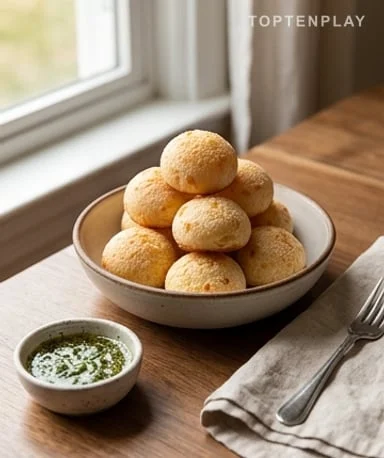
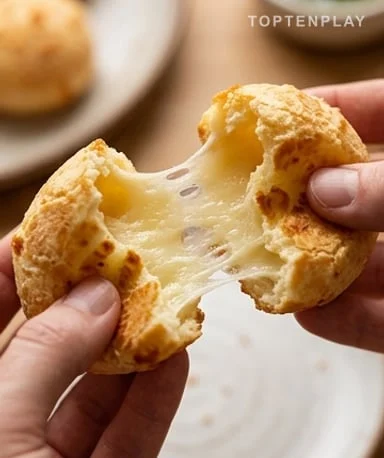
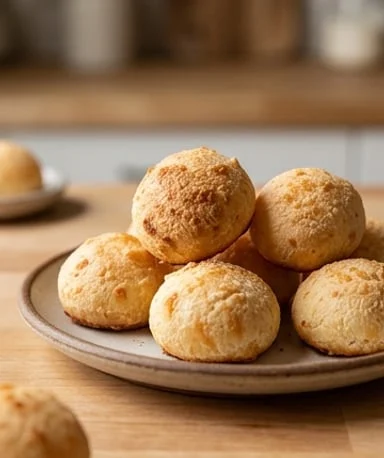
The crust should be golden blond, with a few darker spots that promise crunch. Inside, the crumb stays tender, almost elastic, thanks to the tapioca starch. When you open them, steam gently escapes and the cheese stretches a bit, depending on the type you chose. The taste is simple, just the right amount of salty, with a real feel of warm bread between your fingers.
Why you’ll love this recipe
Ingredient Notes
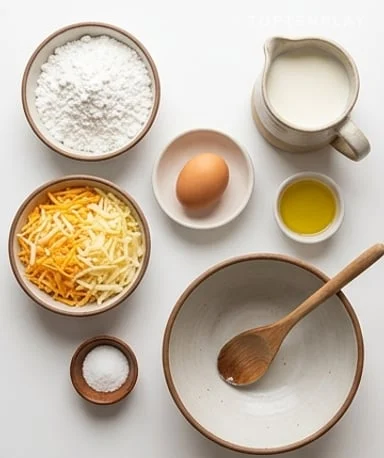
Tapioca starch, grated cheese, milk, egg, fat, and salt: nothing complicated.
- Tapioca starch : It gives the soft, almost bouncy texture that sets these breads apart from a classic flour dough. Choose fine, white starch; if unavailable, cassava starch works, but cornstarch will yield a more brittle result.
- Grated cheese : It brings flavor, salt, and some meltiness. Mozzarella makes the breads milder and stretchy, parmesan adds more character, and a mix of both prevents blandness.
- Milk : It hydrates the starch and helps the dough become malleable rather than sandy. Add gradually, as some starches absorb more than others; unsweetened plant milk can work, but with a slightly less round flavor.
- Egg : It binds the dough and helps the breads hold together during cooking without crumbling. Use a medium egg; if it’s very large, keep a little extra starch on hand to rebalance the dough.
- Oil or butter : Fat softens the dough and promotes a more golden crust. Butter gives a richer, almost biscuity aroma, while oil keeps the cheese flavor cleaner.
- Salt : It wakes up the cheese and prevents a flat taste. Be cautious if using parmesan or already salty cheese, then adjust after the first batch if needed.
Mix until you get a soft dough
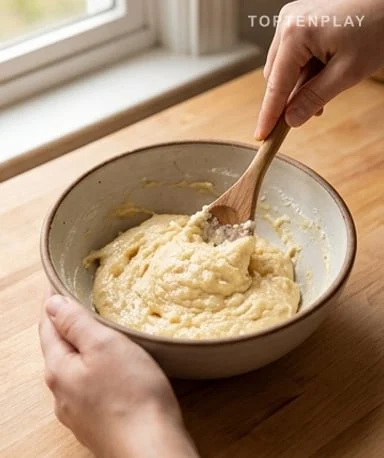
Pour the starch into a bowl, then add the grated cheese and salt before the wet ingredients. This first mix distributes the cheese everywhere, avoiding bland spots and overly greasy pockets during cooking. Then add the egg, milk, and fat, and stir until the dough changes from powdery to a soft, slightly shiny mass. It may stick to your fingers a bit, that’s normal; if it almost squeaks under the spoon and holds together in a ball, you’re on the right track. If it spreads like pancake batter, add a small spoonful of starch, not a whole handful.
Shape them small for even cooking
Form small balls or thick disks, fairly regular, without aiming for perfect finish. A modest size allows heat to reach the center before the outside browns too fast. Under your fingers, the dough should be soft, slightly elastic, and hold its shape when you set it on the work surface. If it sticks badly, lightly oil your hands instead of adding too much starch, because over-stiff dough makes hard breads. It’s a simple recipe, but size matters: too big, they brown outside and stay heavy inside.
Keep the pan hot but not aggressive
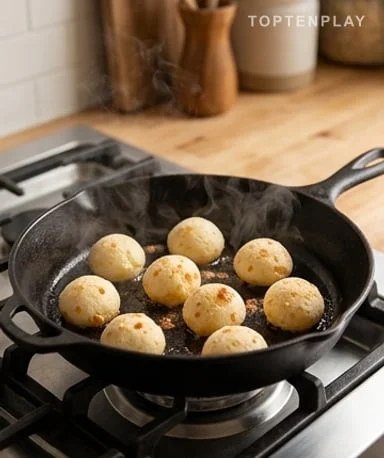
Heat the pan over medium heat with a thin film of oil or a knob of butter, just enough to make the surface shine. When the dough hits the pan, you should hear a gentle sizzle, not a loud fry. This moderate heat lets the cheese melt and the starch set properly without burning the crust. If the edges color in less than a minute, lower the heat; the smell should remain cheesy and toasty, never acrid. Work in batches if needed, because an overcrowded pan cools down and gives pale breads.
Flip when the crust is set
Wait until the underside is nicely golden before flipping, even if you’re eager to check. A formed crust releases almost by itself and offers slight resistance to the spatula. If you force too early, the surface tears and cheese may stick to the pan. The good visual cue is a matte edge and a bottom speckled with light brown. Then flip gently, and cook the other side until you smell that toasted cheese aroma filling the kitchen.
Serve hot without stacking too fast
Once out of the pan, place the breads on a plate or rack for a few minutes. They are best when the crust stays thin and slightly crispy, with a warm, soft center. If you stack them immediately, steam softens everything and the texture becomes denser. Serve them plain, with soup, a crunchy salad, or a stew without heavy sauce. The next day, a quick reheat in the pan restores some of their flavor and structure.
Tips & Tricks
- Add the milk gradually, because tapioca starch can absorb differently by brand, and a too-wet dough becomes hard to shape.
- Use medium heat rather than high, as the crust colors quickly while the center needs time to become tender.
- Grate the cheese fairly finely, so it distributes better in the dough and melts more evenly during cooking.
- Let the breads rest for a minute before opening them, as steam finishes relaxing the inside and avoids a too-sticky texture.
Can you really make these breads without an oven?
Yes, they cook in a pan over medium heat, like small flatbreads. The key is not to heat too high, otherwise the outside browns before the center is fully set.
Why use tapioca starch?
It gives that soft, slightly elastic texture that you don’t get with regular flour. Cornstarch can work in a pinch, but the result will be more crumbly and less tender.
Which cheese to choose?
Mozzarella gives a mild, melty result, while parmesan adds more flavor and salt. The best compromise is often a mix of both.
My dough sticks to my hands, is that normal?
Yes, it should remain a bit sticky and soft. Lightly oil your hands to shape the breads, instead of adding too much starch which would make them dry.
How to reheat them the next day?
Pan-fry them for a few minutes over low heat to restore a nicer crust. The microwave works, but it softens the texture more.
No-Oven Cheese Breads
Home cooking
Savory bread
Savory pan-fried breads, golden outside and soft inside, made with tapioca starch, grated cheese, milk, and an egg. A simplified classic version, without long kneading or oven baking.
Ingredients
- 120g tapioca starch
- 60g grated cheese, mozzarella, parmesan, or a mix of both
- 60ml milk
- 30ml neutral oil or melted butter
- 1 medium egg
- 1/2 teaspoon fine salt
- 1 teaspoon oil for the pan, if needed
Instructions
- 1Mix the tapioca starch, grated cheese, and salt in a bowl.
- 2Add the egg, milk, and oil or melted butter, then mix until you get a soft, slightly sticky dough.
- 3Lightly oil your hands and form 10 to 12 small balls or thick patties.
- 4Heat a pan over medium heat with a very thin film of oil.
- 5Place the breads in the pan without crowding and cook for about 5 to 6 minutes on the first side.
- 6Flip when the underside is golden, then continue cooking for 5 to 6 minutes until the other side is well browned.
- 7Serve hot, while the crust is still thin and the center is nice and soft.
Notes
• The dough should stay soft: add starch gradually only if it’s really too liquid.
• Do not cook on high heat, as the cheese colors quickly and the center might remain doughy.
• Parmesan adds more salt to the dough; slightly reduce the salt if using a lot of it.
• Approximate nutrition per bread, calculated for 11 pieces.
Nutrition Facts (per serving, estimated)
| 90 kcalCalories | 2gProtein | 10gCarbs | 4gFat |